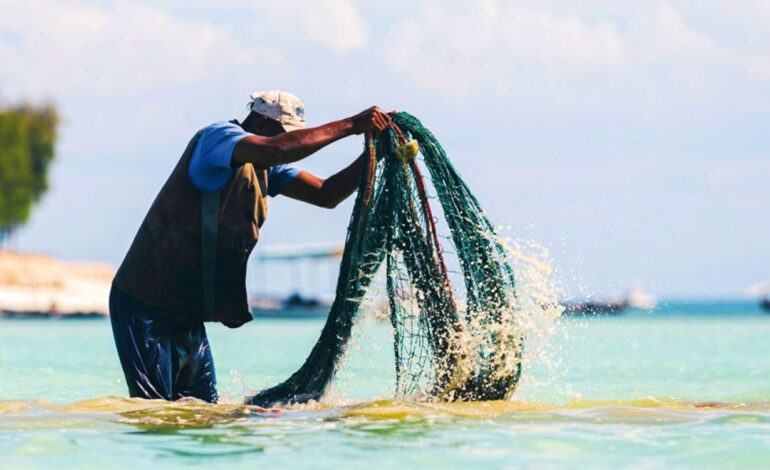
Fishery resources in the Nabeul Governorate have declined by nearly 60% compared to previous years, a rate that continues to increase season by season, according to Fawzi Jerbi, Secretary-General of the Regional Union of Maritime Fisheries in Nabeul, in an interview with TAP.
He attributed this decline to several factors, including unregulated fishing and a lack of monitoring. He called for the effective implementation of the biological rest period and the provision of corresponding financial subsidies to the owners of white tuna (Bousif) fishing boats, numbering around 80 sailors. He noted that 1–2% of sailors’ income is allocated to the biological rest fund, but, according to him, the fund is not operational.
Jerbi explained that the agreement signed with the European Union in 2009, which mandates a biological rest period for white tuna fishing from January 1 to March 31 each year to avoid capturing juvenile fish, requires financial compensation. This compensation is necessary because sailors lose their source of income during this period.
He emphasized the importance of strengthening monitoring to preserve marine wealth and protect it from annual decline. According to Jerbi, the unregulated and uncontrolled exploitation of the sea depletes fishery resources and threatens the future of upcoming generations. He stressed the need to organize this sector, which employs around 70,000 sailors, but, in his view, suffers from a lack of real oversight and serious monitoring to ensure its sustainability.
Jerbi also highlighted the deterioration of port infrastructure in the region, particularly the Kelibia fishing port. Redevelopment work on this port has been stalled since 2020, following the withdrawal of contractors who had started the project in 2019. The project was initially planned to be completed within 14 months with an estimated budget of TND 25 million.
Source: La Presse