For a total investment exceeding 100 million dirhams, this project targets an annual production of 400 tons and plans to create 45 direct jobs.
On Tuesday, in the commune of Skoura El Hadra (Rehamna province), the Secretary of State in charge of Maritime Fisheries, Zakia Driouich, officially launched the shrimp farming project “Arade Eco Aquaculture.”
This initiative is one of the most innovative experiences in marine aquaculture in arid zones in Morocco, reflecting the national drive to diversify aquaculture production and promote sustainable models adapted to local territorial specificities.
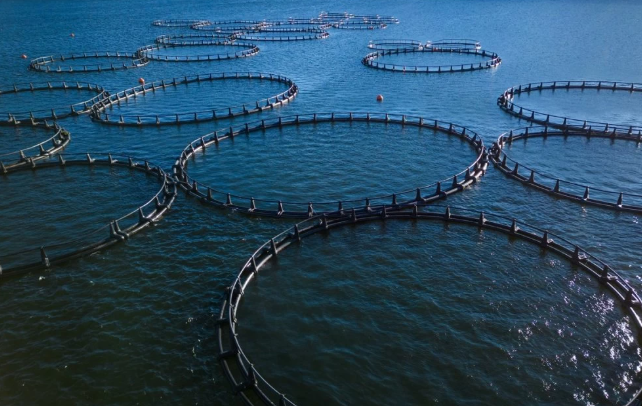
The pioneering project is based on a closed-loop intensive system for the land-based production of post-larvae and whiteleg shrimp (Penaeus vannamei), integrating a dedicated hatchery and a grow-out farm on the same site. This provides a coherent and integrated model for the development of the shrimp farming sector.
In a press statement, Zakia Driouich emphasized that the project contributes to the development of the Moroccan economy through aquaculture. She highlighted its innovative nature, noting that it is located inland, far from the sea, in a particularly arid zone, and underlined that the initiative, led by young entrepreneurs, respects environmental protection and sustainable development principles.
Othman Krafess, the project leader, stated that the investment exceeding 100 million dirhams aims for an annual production of 400 tons and plans to create 45 direct jobs, thereby contributing to the economic and social development of Rehamna province.
The ceremony was attended by local and security authorities, heads of relevant external services, elected officials, and maritime sector professionals. During the event, the Secretary of State visited the shrimp grow-out and processing units. She also officially launched the operation of the hatchery and inaugurated the project’s extension, marking a major step in consolidating this innovative initiative.
Beyond its technical performance, this project demonstrates the potential of aquaculture to create value in semi-arid areas, turning environmental constraints into opportunities for sustainable development, in line with Royal directives for territorial development.
With this significant initiative, Rehamna province confirms its role as a hub of innovation, capable of hosting projects that drive sustainable growth and economic diversification.
Source: La Vie Eco