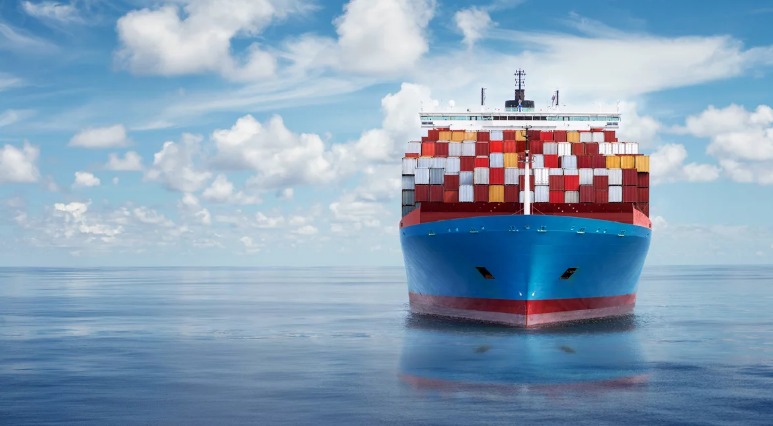

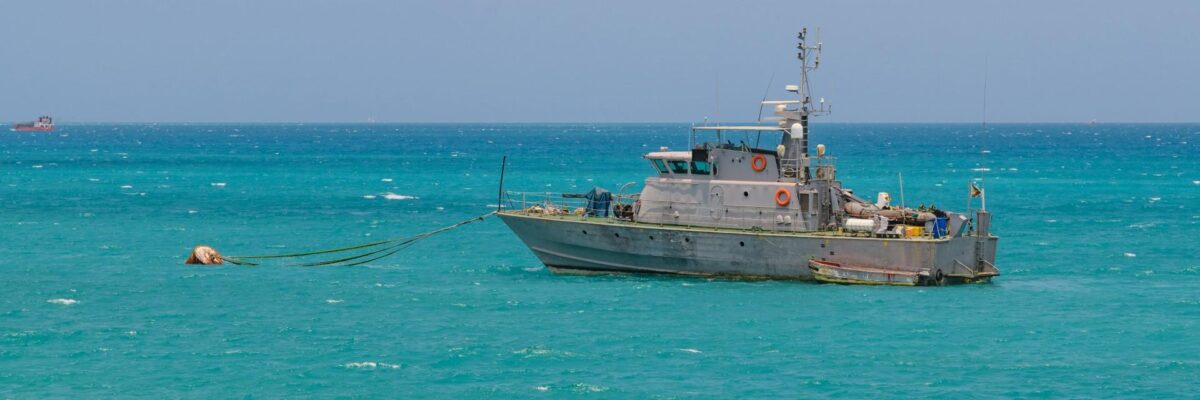
Maritime threats in the Western Indian Ocean drain $1.14 billion from the regional economy each year, representing 5.7% of the area’s ocean-based GDP.
The blue economy, a vital economic engine for coastal states, is being severely undermined by rising maritime insecurity, according to a report presented on Sunday in Mauritius during a regional meeting, the UN Economic Commission for Africa (ECA) said in a statement received Monday by APA.
Co-organized by the UN ECA and the Indian Ocean Commission (IOC), the three-day event aims to launch the 2025 Report on the Cost of Maritime Insecurity in the Western Indian Ocean, validate a sustainable financing mechanism for regional maritime security structures, and adopt the IOC Blue Economy Action Plan 2026–2030.
The ECA–IOC report, titled “Rocking the Boat: The Socio-Economic Impact of Maritime Threats in the Western Indian Ocean (2025)”, highlights both the immense value and the vulnerability of this strategic region. A key corridor for global trade, the Western Indian Ocean holds $333.8 billion in ocean assets, while its marine industries generate at least $20 billion in annual output. The ocean supports millions of livelihoods, with the fisheries sector alone employing nearly 4 million East Africans, and serves as an essential artery for about 90% of Africa’s international trade.
“Security enables development, and development supports security. The Western Indian Ocean is a vital strategic artery. The cost of inaction outweighs the cost of prevention,” said Emelang Leteane, Head of the Subregional Initiatives Group at ECA’s Office for Eastern Africa, stressing that “the costs of inaction exceed those of smart and sustained investment in maritime security.”
Despite the decline in piracy since its 2010–2012 peak, precautionary costs and insurance premiums remain high, with $164 million still spent annually on anti-piracy measures alone. Environmental disasters such as the MV Wakashio oil spill in 2020 also demonstrated that a single incident can cost coastal countries hundreds of millions of dollars.
IOC Secretary-General Edgard Razafindravahy highlighted the financial fragility of current security arrangements. “To protect livelihoods, economies and marine ecosystems, these capacities must be integrated into national and regional budgets, data gaps must be filled, and cooperation must be deepened.” According to him, “the region’s security and its blue prosperity advance together.”
To address this financial burden, the report proposes a clear roadmap, including the full integration of maritime security into blue economy planning, the establishment of a predictable and sustainable regional financing mechanism combining member state contributions and blue economy revenues, the operationalization of shared maritime surveillance with harmonized national reporting formats, stronger action against illegal, unreported and unregulated (IUU) fishing, enhanced preparedness for major crises such as oil spills and climate-related disasters, and reinforced measures to combat maritime trafficking.
The ongoing workshop aims to turn these recommendations into action by finalizing the long-term financing mechanism and advancing the Blue Economy Action Plan — a crucial effort to transform the region’s vast ocean resources into a driver of inclusive, sustainable and climate-resilient prosperity.