Thousands of fish nests found beneath the Antarctic ice are revealing a previously unknown marine ecosystem.
An unexpected discovery has emerged from the icy depths of Antarctica: thousands of fish nests carved into the seafloor of the Weddell Sea. During a research mission, this natural spectacle surprised scientists and may reshape our understanding of marine ecosystems in this remote region.
How the Discovery Was Made
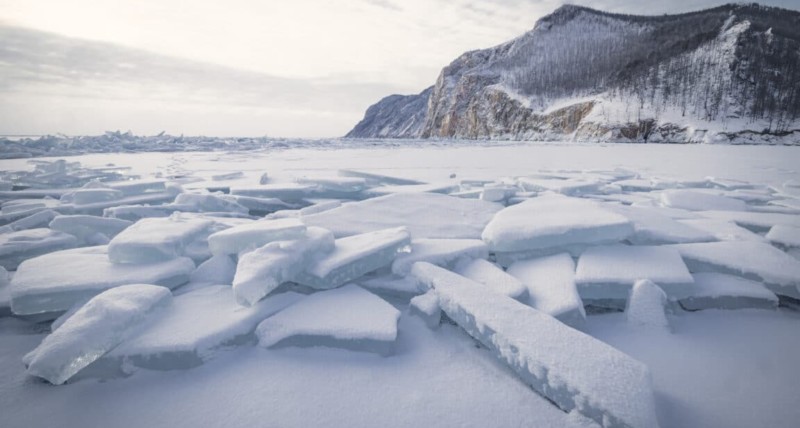
The Weddell Sea, at the edge of the world, was until recently hidden beneath a thick sheet of ice. In 2017, when iceberg A68 broke away from the Larsen C ice shelf, it opened up a 5,800 km² area, giving access to underwater zones previously unreachable. This opening allowed the 2019 Weddell Sea Expedition to deploy its remotely operated underwater vehicle, Lassie, originally sent to locate the wreck of the Endurance, Ernest Shackleton’s ship that sank in 1915.
What They Found
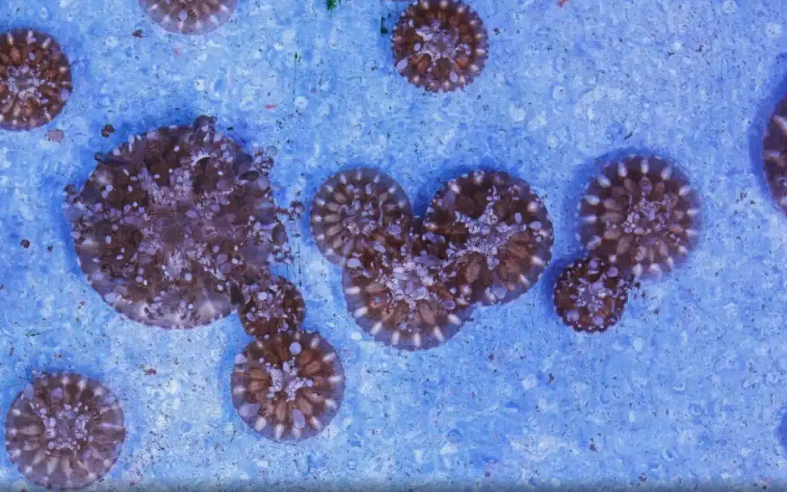
Although the mission’s primary goal was to find the Endurance, Science & Vie reports that the team stumbled upon an intact marine ecosystem populated by Lindbergichthys nudifrons (small rockfish). These hardy fish, able to withstand extreme temperatures, had dug more than a thousand circular depressions in the seabed, forming neatly organized nests arranged with surprising structure and precision.
Types of Nests and Fish Behavior
Researchers identified six different types of nests, featuring varied geometries: isolated nests, tightly clustered groups, crescent-shaped patterns, and straight-line arrangements. Each adult fish digs, cleans, and guards its nest to protect its eggs from predators. The regular geometric layout suggests that these nests result from complex biological interactions—phenomena observed in other hidden ecosystems but never documented at such a scale in Antarctica’s icy waters.
What This Means for Marine Protection
Finding such a fragile marine ecosystem raises major conservation concerns, particularly regarding the region’s underwater valleys. The site may meet the criteria to be designated as a marine protected area. Such protection would help preserve the delicate balance between ice, plankton, and the seafloor—key links in the Antarctic food web. Images from the 2019 Weddell Sea Expedition provide strong evidence to support this effort and highlight the urgent need to shield these waters from human impacts
Source: rse magazine