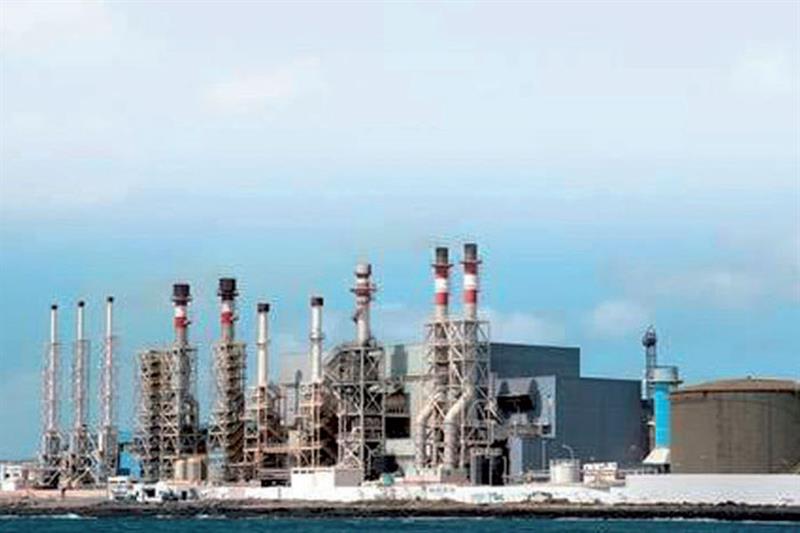
The current energy model, based on limited and polluting resources, faces an urgent challenge: transitioning to clean and sustainable sources. In this context, Japan has reached a historic milestone by inaugurating its first osmotic power plant, also known as blue energy, in the coastal city of Fukuoka. This is only the second installation of its kind in the world, making the project a global benchmark in innovation and energy transition.
What is Osmotic Energy?
Osmotic energy relies on the natural principle of osmosis: fresh water naturally moves through a semi-permeable membrane toward salt water to balance concentrations. This process generates osmotic pressure, which can be harnessed to drive a turbine and produce electricity.
At the Fukuoka Plant:
- Fresh water comes from treated wastewater.
- Salt water comes from the concentrated brine of a nearby desalination plant.
- The pressure generated is converted into clean, continuous electricity.

Advantages Compared to Other Renewable Energies
The main strength of blue energy is its stability. Unlike solar or wind power, it does not depend on weather conditions or time of day.
- Constant: available 24 hours a day, every day of the year.
- Renewable and environmentally friendly: produces no CO₂ emissions or pollutants.
- Strategic location: can be installed in coastal areas, where a large portion of the world’s population lives.
This makes it an ideal candidate for stabilizing the power grid and complementing other intermittent renewable sources.
Advantages Compared to Other Renewable Energies
The main strength of blue energy is its stability. Unlike solar or wind power, it does not depend on weather conditions or time of day.
- Constant: available 24 hours a day, every day of the year.
- Renewable and environmentally friendly: produces no CO₂ emissions or pollutants.
- Strategic location: can be installed in coastal areas, where a large portion of the world’s population lives.
Production and Application in Fukuoka
This makes it an ideal candidate for stabilizing the power grid and complementing other intermittent renewable sources.
Although the plant’s capacity is modest in terms of large-scale production, it is expected to generate approximately 880,000 kilowatt-hours per year, enough to power 220 Japanese households.
Its real value lies in its strategic application: the electricity will primarily power the adjacent desalination plant, creating an example of a circular economy where water and energy are integrated into a single sustainable cycle.
Main Methods of Osmotic Energy
There are two main techniques for generating blue energy:
- Pressure Retarded Osmosis (PRO): low-pressure fresh water slowly infiltrates high-pressure salt water, increasing pressure and turning a turbine.
- Reverse Electrodialysis (RED): membranes allow selective passage of ions (sodium and chloride), generating a direct electric current.
Technical Challenges
Despite its advantages, osmotic energy faces significant challenges:
- High initial cost: investment and membranes are expensive.
- Limited efficiency: membranes can become fouled or blocked over time, reducing output.
However, advanced technologies are currently being developed, such as combining different methods and more efficient membranes, to overcome these obstacles and make osmotic energy more competitive.
Current Status and Outlook
Japan and the Netherlands are at the forefront of osmotic energy pilot projects. Experts are confident that this renewable source will become the next major wave in the fight against climate change, providing constant, clean electricity in a world urgently seeking alternatives to fossil fuels.
The inauguration of the Fukuoka plant marks a milestone in the global energy transition. Osmotic energy, with its ability to generate continuous electricity from salinity differences, is emerging as a strategic solution to stabilize power grids and reduce emissions.
Although it still faces technical and economic challenges, its potential to transform the global energy landscape is immense. Japan demonstrates that blue energy is no longer just a futuristic idea—it is becoming a reality.
Source: noticias ambientales