

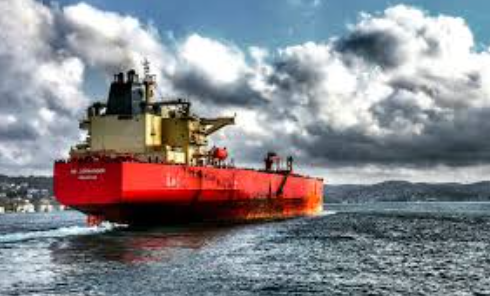
The global shortage of oil tankers has led newly built vessels to load crude oil directly on their maiden voyages, even though they are usually intended for refined fuel transport, according to a Bloomberg report.
Tracking data and contracts analyzed by Bloomberg and Signal Ocean indicate that six supertankers delivered this year sailed empty from East Asia to the Middle East, Africa, or the Americas to load crude oil—compared with only one such case recorded last year.
Typically, owners of new tankers first use them to transport gasoline, diesel, and other refined products (“clean” cargo), as this does not require the complex cleaning operations needed for crude oil. Most of these vessels are built in East Asia, which imports crude oil and exports refined fuel.
However, the severe tanker shortage has altered this pattern, amid increased oil production by OPEC and other countries throughout the year.
Western sanctions on Russia, along with risks associated with the Red Sea passage, have disrupted traditional shipping routes, forcing longer voyages and a greater demand for vessels.
Smaller tankers have also been introduced into crude oil trade, and some traders have had to split cargoes due to a lack of large ships, further raising transportation costs.
The Baltic Dirty Tanker Index, which measures crude oil freight rates on 12 major routes, has surged by roughly 50% since late July.
Georgios Sakellaris, ship chartering analyst at Signal Maritime, told Bloomberg that high profits—up to $100,000 per day for supertankers and $80,000 for Suezmax vessels— are driving companies to capitalize on these returns quickly before they change.
The supertanker “Aliakmon 1” was the first new vessel to sail empty this year. It left the northeast China shipyard without cargo in June, traveled to Kuwait to load around two million barrels of crude, and delivered its cargo to South Korea in late November 2025.