
From Great Explorations to Maritime Sovereignty
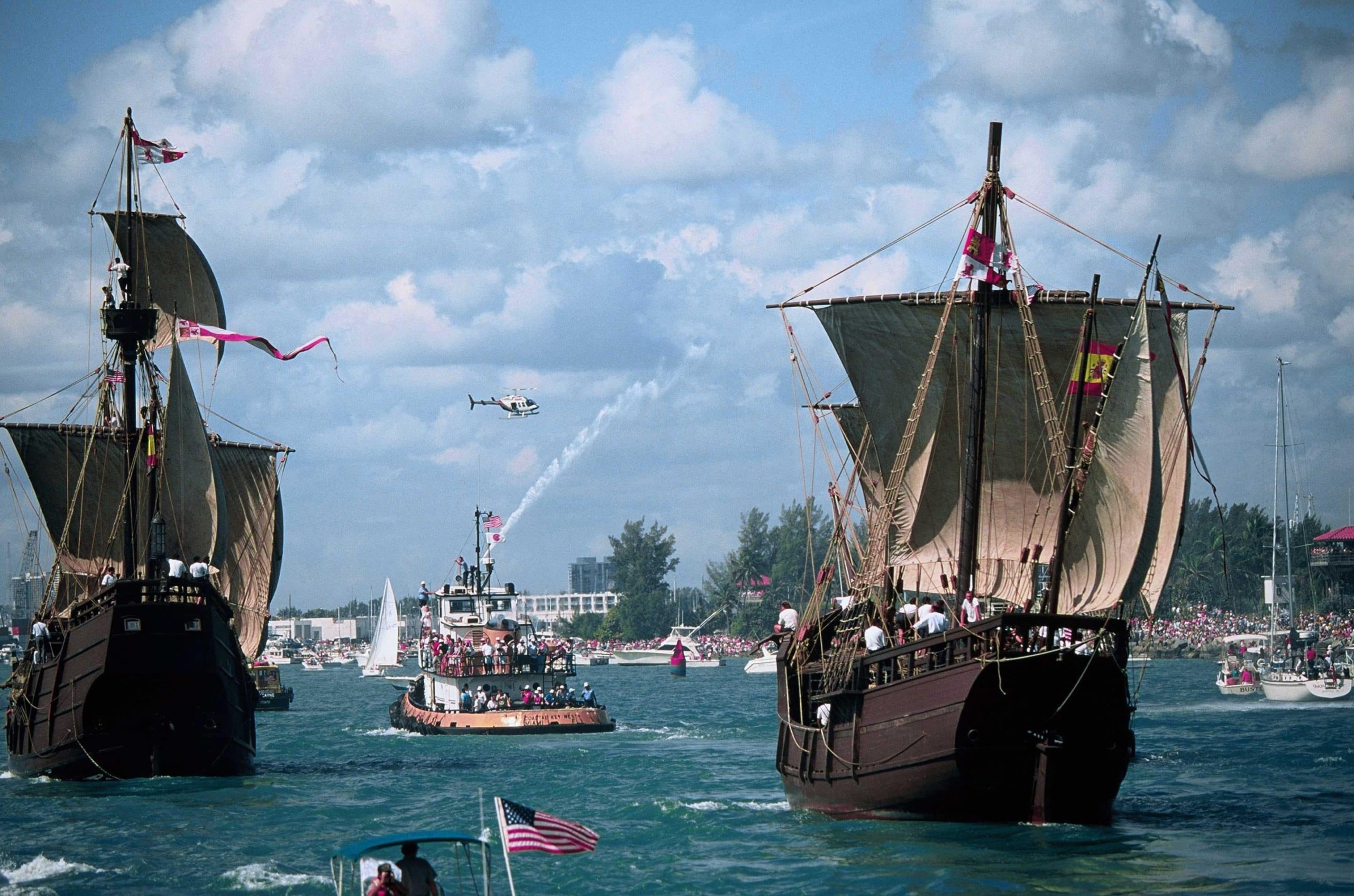
Maritime borders were shaped by the great explorations and the reflections of jurists. From the 16th century to the present day, an entire body of legal thought has taken shape. Christopher Columbus, Bartolomeu Dias, Vasco da Gama, Ferdinand Magellan, Francis Drake, Amerigo Vespucci, Jacques Cartier… the great maritime explorers of the 15th and 16th centuries opened new routes and revealed the strategic importance of seas and oceans. These explorations were not merely technical feats: they laid the first foundations of maritime sovereignty by enabling states to control and claim maritime spaces to protect their interests—primarily commercial, but also political and geopolitical.
Oceans: The New Arenas of Power
At a time when land borders appear fixed on maps, despite conflicts, it is the oceans that are becoming the new arenas of rivalry. Far from the image of a free and open space for all, a mosaic of maritime zones now extends, where international law, national ambitions, and major strategic stakes intertwine. Sovereignty over maritime spaces—from territorial waters to Exclusive Economic Zones (EEZs)—now redefines power relations.
The Origins of the Law of the Sea
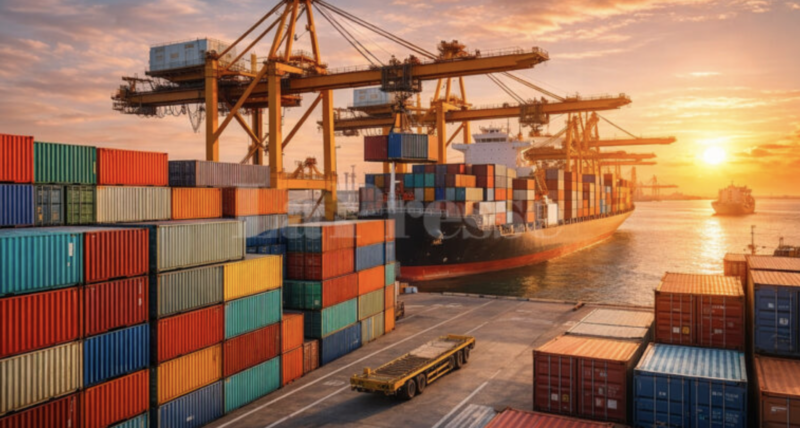
The law of the sea arises from international relations, particularly maritime trade. Maritime transport represents 80% of world trade by value and 90% by volume. Seas and oceans underpin all geopolitical relations between states. The first legal text referring to the law of the sea is often attributed to Emperor Justinian I, who considered seas as common spaces belonging to all humanity.
Early Attempts at Maritime Division
In 1493, Pope Alexander VI issued the bull Inter caetera, the first attempt to frame maritime sovereignty. The Treaty of Tordesillas (1494) divided the newly discovered world between Spain and Portugal along an imaginary meridian, leaving lasting cultural, economic, and linguistic legacies.
Mare Liberum vs Mare Clausum: A Foundational Debate
Hugo Grotius, in Mare Liberum (1609), defended freedom of the seas, while John Selden, in Mare Clausum (1635), argued for national control over certain maritime spaces. This intellectual confrontation, born from commercial rivalry, still shapes contemporary maritime strategies and disputes.
The Codification of Maritime Law
The 1958 Geneva Conventions marked a major step in codifying the law of the sea. This framework was strengthened by the United Nations Convention on the Law of the Sea (UNCLOS), signed in Montego Bay in 1982, which today remains the cornerstone of international maritime governance.
Maritime Sovereignty and Strategic Control
Legal possession of the seas involves functional sovereignty rather than absolute control. Through EEZs, continental shelves, and surveillance rights, states project power, exploit resources, and secure strategic routes. Maritime infrastructure—ports, platforms, cables—forms the backbone of this discreet geopolitics.
The Limits of Maritime Law
Although arbitration mechanisms exist, their effectiveness depends on states’ political will. In many regions, law is used alongside military presence to legitimize faits accomplis, revealing the limits of normative maritime governance.
The South China Sea: A Case Study
The South China Sea exemplifies these tensions. Despite a 2016 ruling rejecting China’s expansive claims, artificial islands and military infrastructure continue to reshape the region, challenging international law and regional stability.
The Arctic: A New Strategic Frontier
Climate change has opened the Arctic as a zone of competition. States seek to extend continental shelves and secure new routes and resources, transforming a once-isolated region into a central geopolitical space.
Core Principles of UNCLOS
UNCLOS is founded on freedom of navigation, defined maritime zones, peaceful use of the seas, environmental protection, international cooperation, and peaceful dispute settlement—principles increasingly tested by contemporary rivalries.
Conclusion: Between Common Heritage and Sovereignty
The tension between mare liberum and mare clausum remains unresolved. Oceans are both global commons and spaces of asserted sovereignty. Maritime law has not eliminated conflict—it has transformed it.