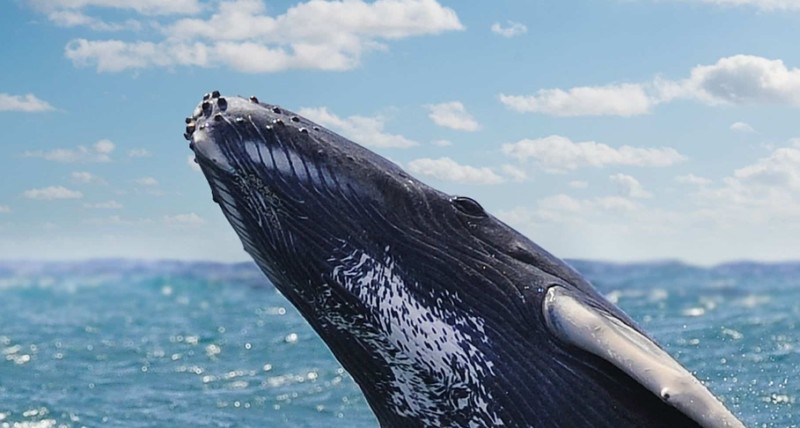


In Nice, the Ocean enters a new era: the United Nations Treaty—the historic UN agreement to protect the high seas in international waters—has entered into force.
Treaty of Nice: A Historic Moment for the Blue Planet
On Saturday, January 17, 2026, in Nice, the United Nations Treaty on the Protection of the High Seas officially came into force, marking the culmination of more than twenty years of international negotiations. This represents a major turning point for the Ocean, marine biodiversity, and the future of humanity.
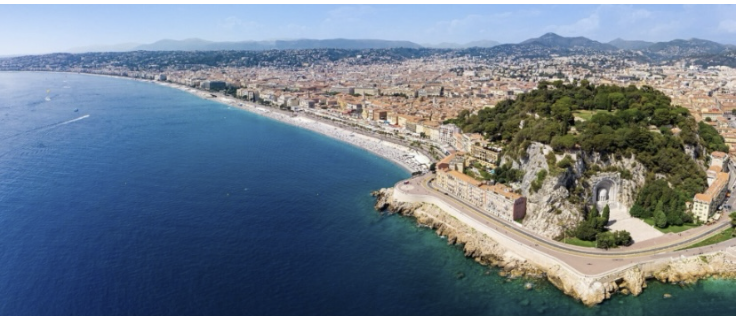
Born on the French Riviera
Hosted at Nice City Hall, the official ceremony brought together representatives of the international community, diplomats, and key stakeholders in climate and maritime governance. A powerful symbol: this treaty, now legally binding, will go down in history as the “Treaty of Nice,” as the decisive momentum emerged on the French Riviera during the 3rd United Nations Ocean Conference (UNOC3) held in June 2025.
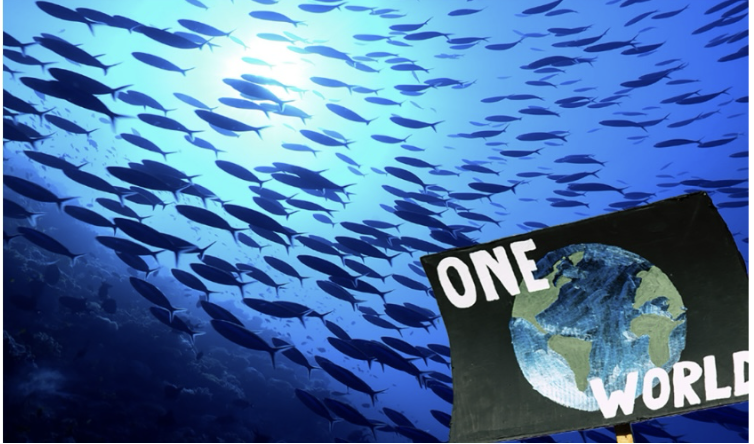
Protecting 30% of the Oceans by 2030: A Global Goal
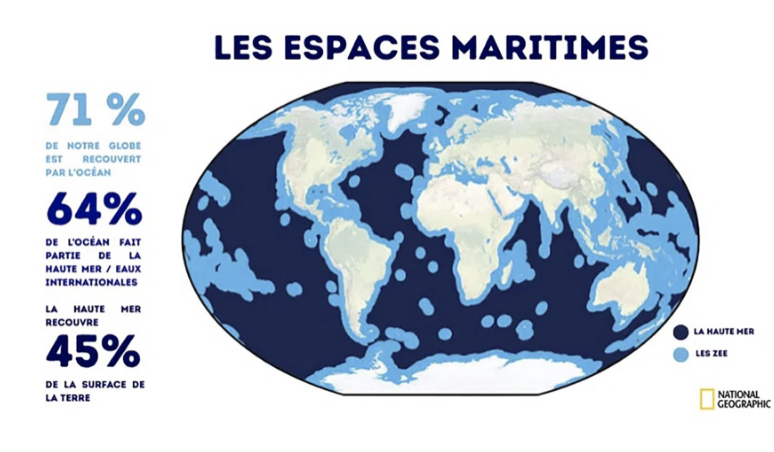
Officially named the Agreement on Biodiversity Beyond National Jurisdiction (BBNJ), the treaty constitutes the first global legal framework dedicated to protecting the high seas. These vast marine areas, located beyond countries’ exclusive economic zones, account for 60% of the world’s oceans and nearly half of the Earth’s surface. Until now, these international waters had no specific protection.
Creation of Large-Scale Marine Reserves
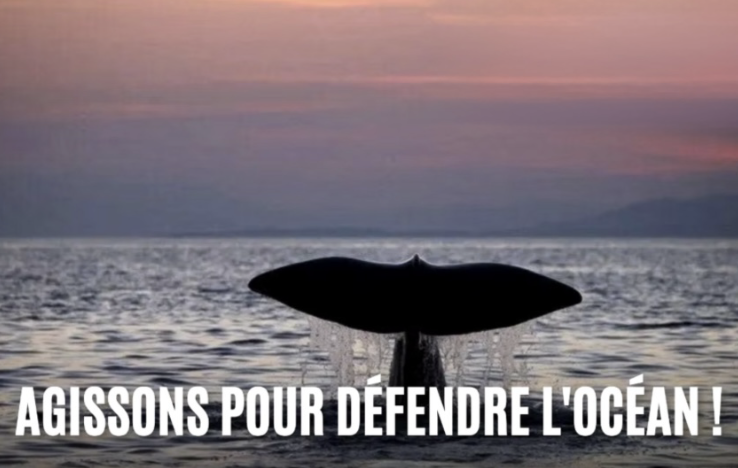
The treaty now paves the way for the creation of large-scale marine protected areas, the fight against chemical and plastic pollution, more sustainable management of fishery resources, and the preservation of biodiversity in the face of ocean warming and acidification. The agreement fully aligns with the international “30 by 30” objective—protecting at least 30% of the oceans by 2030—as adopted at COP15 and under the Kunming–Montreal Global Biodiversity Framework.
A Binding Treaty for Unprecedented Momentum
Adopted by the 193 UN Member States in June 2023 and signed by 145 countries, the treaty entered into force in an exceptionally short period—less than six months after being ratified by the required number of states. To date, more than 80 countries have ratified it, including France in February 2025. The recent ratification by China has strengthened its global impact, although some major powers, such as the United States and Russia, have not yet joined.
A major development: the treaty now applies to all activities conducted on the high seas, including those of non-signatory states, setting a strong precedent in global environmental governance.
A Matter of Solidarity and International Justice
Beyond environmental protection, the BBNJ treaty carries a strong solidarity dimension. It recognizes the high seas as the common heritage of humanity and establishes a framework for the fair and equitable sharing of benefits derived from marine genetic resources—a provision welcomed by many environmental NGOs, including Greenpeace. It also provides for the internationalization of environmental impact assessments, the advancement of scientific knowledge, the development of technological innovation, and a better understanding of marine ecosystems.
Nice, a Capital of Oceanic Momentum
Christian Estrosi, Mayor of Nice and President of the Nice Côte d’Azur Metropolis, emphasized the symbolic significance of the treaty’s entry into force:
“Today is an important day, as it marks the entry into force of the United Nations treaty on the high seas, which will forever be known as the Treaty of Nice. For the Ocean, our planet, and humanity, this agreement represents a turning point. Being a driving force is a great source of pride for the people of Nice. The future of our oceans belongs to us.”
A Turning Point for the Blue Planet
With the entry into force of this treaty, the Ocean is no longer a lawless space. Nice has firmly established itself as a global hub of environmental diplomacy, embodying a collective awakening: protecting the high seas means protecting the balance of the planet.
The ceremony was held in the presence of Christian Estrosi, Mayor of Nice and President of the Nice Côte d’Azur Metropolis; Olivier Poivre d’Arvor, Special Envoy of the President of the Republic; Kamal Amakrane, representative of the UN General Assembly for Climate; and representatives of the 81 signatory states.
source : yesicannes