
In a context of the development of the blue economy, in partnership with the World Bank, the National Agency for the Development of Aquaculture is planning a study trip to Italy, Europe’s second largest producer of mussels, on industrial catchment techniques for scay. This initiative aims to secure the supply of seeds to the national mussel farming sector and to reduce the pressure on natural deposits.
Morocco is focusing on the development of the mystil sector by strengthening the mastery of industrial capture techniques for births. The objective is to consolidate the foundations of a structured and competitive sector, capable of meeting the requirements of sustainability and economic performance. This initiative is part of a support program carried out by the National Agency for the Development of Aquaculture (ANDA), in partnership with the World Bank, aimed at promoting productive investment and strengthening the upstream and downstream links of the value chain.
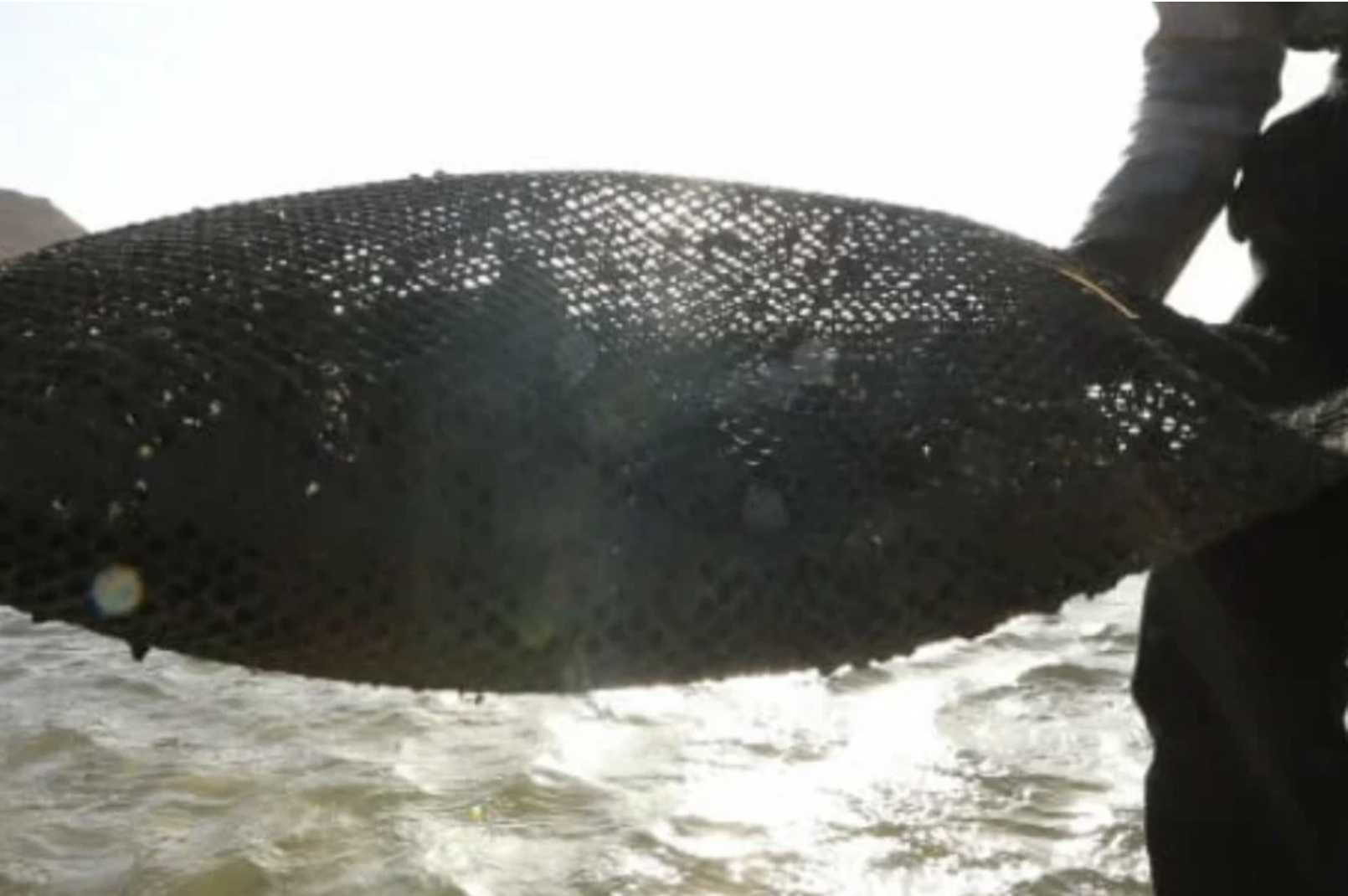
The capture of industrial-scale mussel borns is a recent practice in Morocco, where the supply has so far relied on the collection of wild births. However, to ensure a sustainable development of national mussel farming, a regular and sustainable supply of births is essential. Natural catchment thus represents a strategic solution to ensure the self-sufficiency of seed mityl farms, while reducing the pressure on natural deposits. In order to strengthen the technical skills of national operators, both in terms of technology and business management, ANDA is preparing a study trip. The latter will allow Moroccan professionals to visit industrial-scale mussel production projects and benefit from practical training on the technical and managerial aspects of these farms.
Italy, Europe’s second largest producer of mussels
Italy was chosen as the reference destination for this study trip. The country ranks second among the mussel producers in Europe, representing 34% of European production, or about 64,000 tonnes per year. In particular, it produces the Mytilus galloprovincialis mussel, also present in Morocco, and is one of the main exporters of castlings from the catchment. For the ANDA, Italy is a remarkable example of diversified shellfish farming, firmly anchored in history and based largely on births from industrial catchments using innovative and perfectly mastered techniques. Through this approach, the Agency intends to contribute to the strengthening of national skills and the sustainable structuring of the mussel sector, with a view to supporting the development of aquaculture, one of the priority sectors of the Moroccan blue economy.
source : le matin