
Three NGOs are now committed to the Council of State baning bottom trawl in the English Channel in Chausey, an archipelago classified as a Natura 2000 marine protected area.
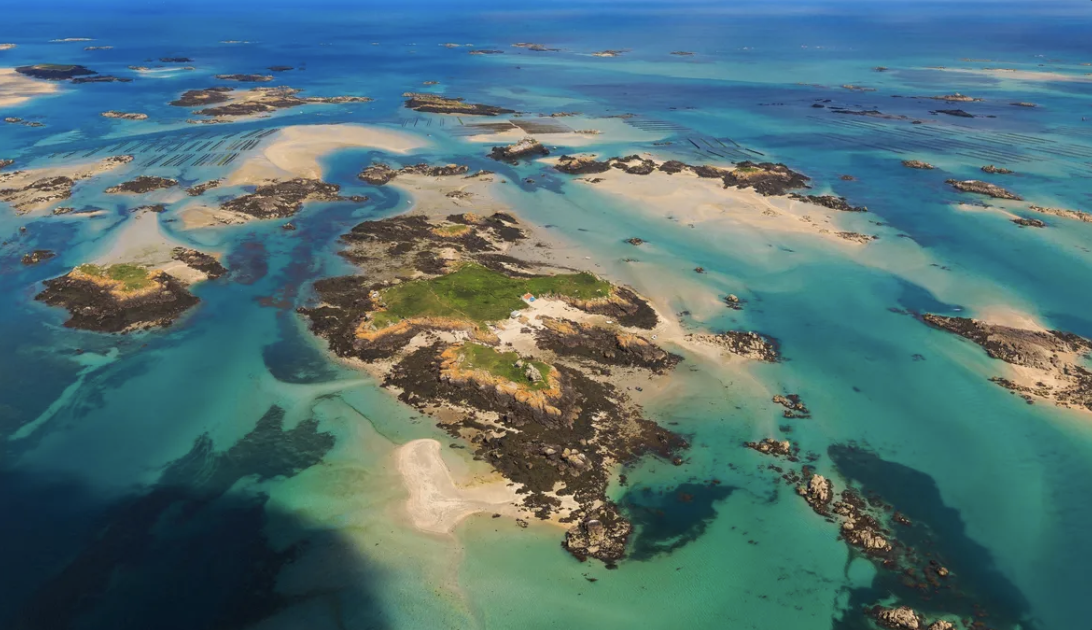
Head to the Chausey Islands, off Granville and the Bay of Mont Saint Michel. Europe’s largest archipelago, whose shape is officially described as one of its emblematic shells: the almoil.
But it is mainly scallops, or sea bass and other fish that fishermen go up in their boats, using dredges or trawlers, these ultra-decried machines because they scrape and destroy the seabed…
Just a year ago, the NGOs Défense milieus aquatiques and Environmental justice Foundation engaged in litigation before the Council of State to prohibit bottom trawling in Chausey, joined yesterday by the Manche nature association.
Benches of maërls and zosteris herbariums threatened
They are based on European regulations, which have created the world’s largest network of marine protected areas: Natura 2000 areas, which are supposed to be protected when activities threaten them, typically bottom trawling yet still practiced in three-quarters of them. And Chausey is one of them, at the expense of the banks of maërls, these marine habitats both nurseries, shelters, and food for our friends from the depths, but also zosterie herbariums (aquatic plants), threatened and protected by a directive.
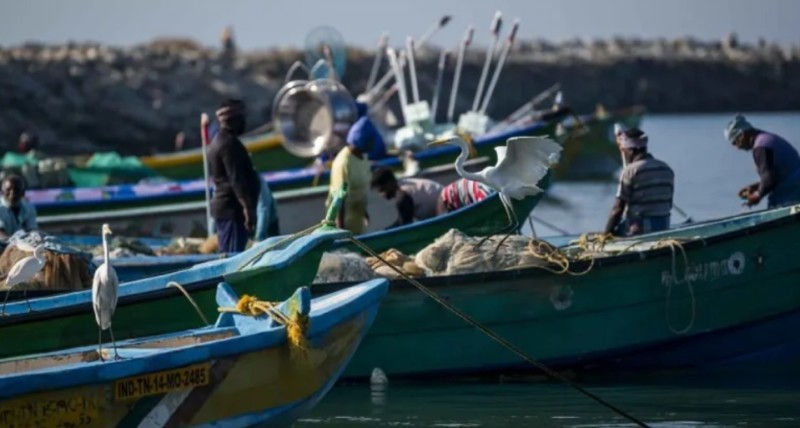
These are not large trawls, but it does not matter the size of the machine according to NGOs because the damage is the same. Except that the fishermen of Granville are annoyed, worried that they are forbidden to do their job, and this is where the associations specify that they are not at all against them, despite appearances: they want the public authorities to take their responsibilities and accompany fishermen towards a change in practices, softer, rather than to falsely protect them by authorizing techniques that eventually threaten all marine ecosystems and therefore fishing.
Marine protected area: a simple formula
The government promised in June to pass what are called « strong protection zones », from 0.1 to 4% of hexagonal waters, with a ban this year, 2026, of bottom trawling, but these are in fact areas where this was already the case, so false announcement.
As for Europe, we remember the firm and clear opposition of the Secretary of State for the Sea Hervé Berville against the European Commission’s action plan to stop activity in 2024.
If I have to summarize, we don’t change anything and protected marine areas are just a formula…
Chausey is ultimately just an example to illustrate a much more global situation: thinking in the long term. But with the municipal elections and then the presidential election in sight, not sure that this is the preferred strategy.
source : radio france