
The pilot experience of co-management of artisanal fisheries, focused on the use of artificial reefs and conducted in Oran as part of Algerian-Japanese cooperation, will soon be extended to other coastal wilayas, including Skikda, Tizi Ouzou and Tipaza, before being gradually generalized to the entire national coastline, announced yesterday Sunday the Director General of Fisheries and Aquaculture, Miloud Trida.
Speaking at a workshop in Algiers entitled « Approach to co-management of artisanal fisheries through the use of artificial reefs », organized as part of a technical cooperation program with the Japan International Cooperation Agency (JICA), Mr. Tria stressed the importance of this initiative launched in 2021, aimed at strengthening the participatory and sustainable management of fisheries resources.
In this context, he stressed the importance of this approach for the sustainability of artisanal fishing, recalling that about 65% of the national fleet is made up of artisanal fishermen who cannot operate on the high seas, which, according to him, creates a strong pressure on coastal areas.
He thus considered that artificial reefs constitute a rational alternative for the sustainable exploitation of fisheries resources.
Highlighting the importance of artificial reefs as a strategic tool for the restoration of marine habitats and the support of fishing activity, the Director General indicated that the experiment conducted in Oran in partnership with JICA produced positive results.
« The generalization of this approach to other wilayas will be done in compliance with the legal framework in force, in particular Executive Decree No. 17-363 of December 25, 2017, setting out the technical, environmental and administrative standards relating to their installation, » he said.
For his part, the Japanese expert in promoting the co-management of artisanal fishing, Nanao Hitonori, highlighted the benefits of this approach, assuring that the experiment conducted in Oran allowed the renewal of the fish stock, the reduction of the pressure exerted on the coast as well as the creation of marine areas favorable to the natural reproduction of species.
In addition to its contribution to the restoration of marine environments and the sustainable management of fisheries, this approach also ensures the stability of fishermen’s livelihoods, he added.
The Algerian-Japanese cooperation program is based in particular on the training of local actors, the exchange of expertise and the development of innovative practices, through training sessions in Algeria, Japan and Tunisia, as well as the implementation of pilot projects on several Algerian coasts, explained the program manager at the level of the JICA, Sugiyama Yoshiko.
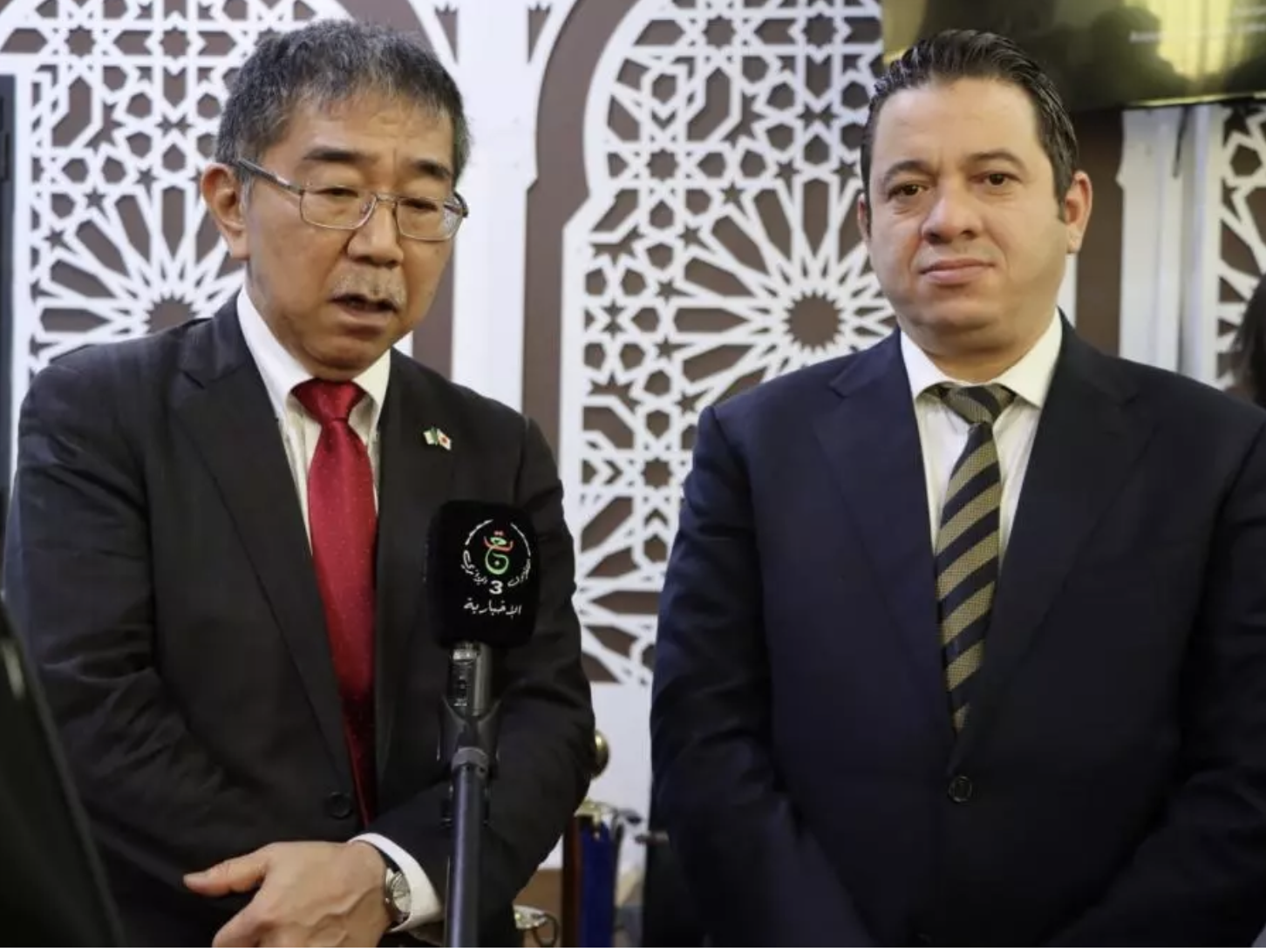
Present at the work of this workshop, Japan’s ambassador to Algeria, Kotaro Suzuki, said that cooperation between the two countries in the field of fishing and aquaculture « is based on a relationship of trust established since the late 1980s ».
Welcoming the efforts of actors in the sector and the role of the JICA, he stressed that the use of artificial reefs is an old tradition in Japan that his country wishes to share with Algeria.
source : radio algerie