
With the melting of terrestrial ice and the expansion of waters, the level of the oceans continues to rise. Submersions, coastal erosion, economic losses, population displacements and sustainable degradation of coastal ecosystems… How to protect yourself from rising waters?
With
- Marina Lévy, oceanographer, advisor for the Ocean to the IRD presidency
- Gonéri Le Cozannet, researcher at the Bureau of Geological and Mining Research, co-author of the sixth IPCC report
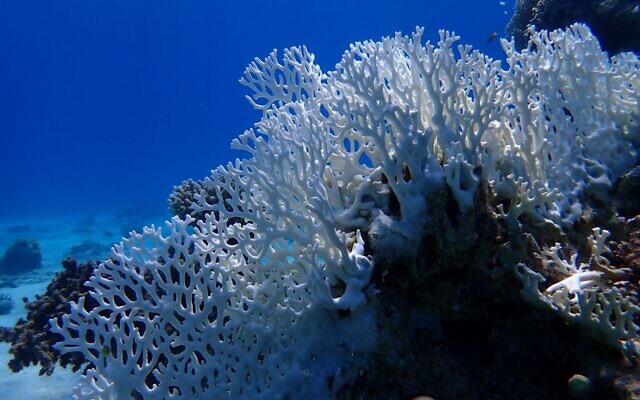
The oceans absorbed a record amount of energy in 2025, according to a study published on January 9, 2026. A phenomenon conducive to sea level rise, violent storms and coral withering.
Mechanisms of sea level rise
The rise in sea levels is first and foremost a direct consequence of global warming. It results mainly from two mechanisms: the thermal expansion of seawater, which increases in volume as it warms, and the melting of continental ice, glaciers and polar caps, which adds water to the oceans.
The average sea level has already increased by more than 20 cm in the last century, with a marked acceleration since the 1990s. Satellite measurements show an increase now of more than 3 mm per year. This trend confirms that rising water is no longer a future scenario, but an ongoing phenomenon.
By 2050, sea level is expected to rise by an additional 10 to 25 cm, whether greenhouse gas emissions are reduced or not.
Unequal impacts by region
The rise in sea level varies greatly from one region to another, due to the effect of currents, winds and ground movements. Some coastal areas, including the deltas and the low islands, are particularly exposed. Where the land subsides, the impacts are amplified.
Adapt and limit warming
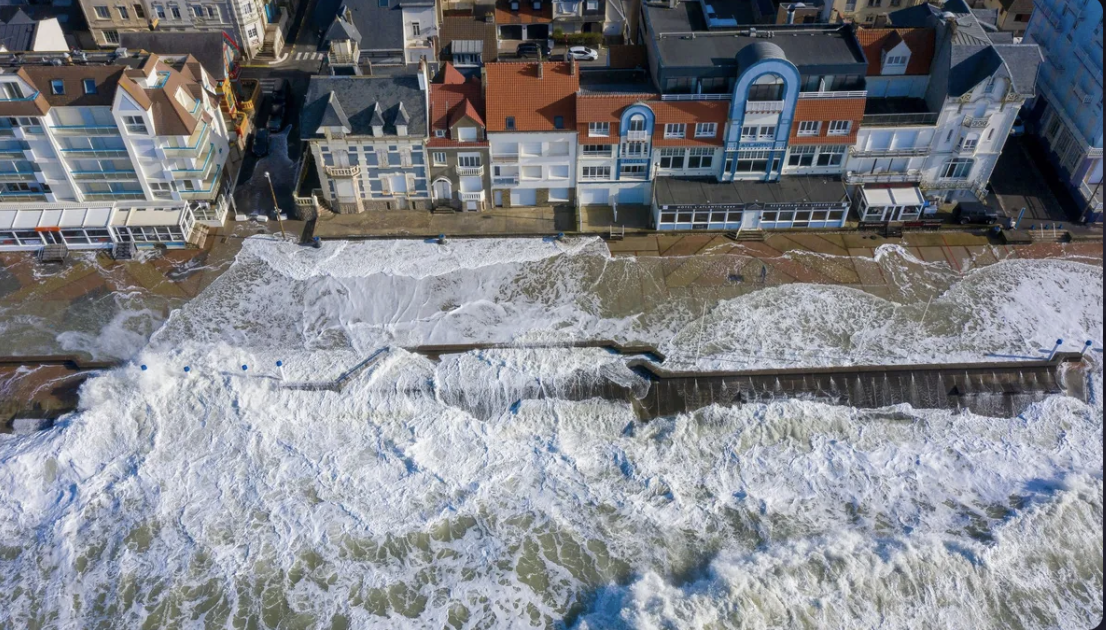
Sea rise increases submersion, coastal erosion and intrusion of salt water into soils and water tables. It threatens coastal habitats, infrastructure and agriculture, while weakening key ecosystems such as mangroves and reefs, which are essential for biodiversity and coastal protection.
Even with a rapid reduction in emissions, the rise in waters will continue for centuries. Societies must therefore act on two fronts: limit warming to contain the magnitude of the phenomenon, and adapt by rethinking the development of the coast, between protections, transformations and necessary relocations.
source : Radio France