
Russia faces an unexpected enemy: ice. In the Gulf of Finland, an exceptionally thick ice floe paralyzes strategic ports, slows down maritime traffic and directly threatens oil and raw material exports. A climate constraint that adds to the sanctions and reveals the logistical fragility of the Russian economy.
Russian ports in the Gulf of Finland are on alert. The pack ice has never been so extensive and thick for more than fifteen years. The alert was given by Alexander Kolesov, chief meteorologist of St. Petersburg. On his Telegram account, he explains that the Gulf of Finland is now almost entirely covered with ice, a surface that continues to expand. The thickness currently reaches about 25 centimeters, and the Russian Ministry of Transport predicts that it could rise to 30 to 40 centimeters by March.
This is explained by a winter with several waves of lasting cold on the eastern Baltic and around St. Petersburg, a weak wind and low-salt water that freezes easily.
Gulf of Finland: from 30 cm of ice, traffic gets stuck
However, from 30 centimeters, only ships certified « ice class » can sail autonomously. All others must be escorted by icebreakers. Immediate consequence: congestion has already begun in Russian ports. The waiting times for convoys have lengthened to five to seven days, according to a Ukrainian shipping magazine.
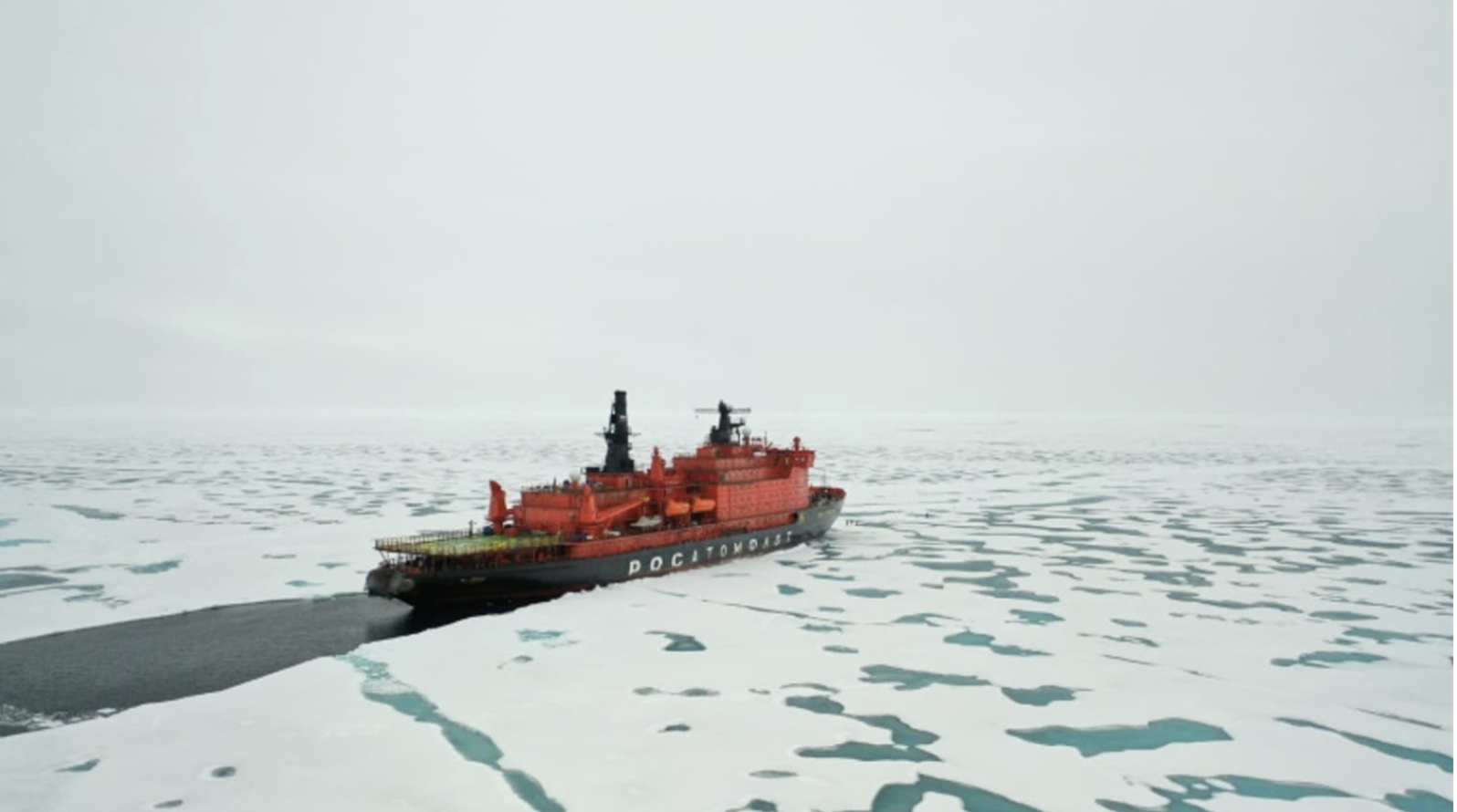
Faced with the situation, the Russian icebreaker fleet is mobilized. The strategic ports of Primorsk and Vysotsk are placed on maximum alert. On their website, the Russian port authorities explain that from March 1, all ships not approved « ice class » must expect to be immobilized.
The shipowners have been officially warned of the delays to be expected. Moscow is currently redeploying icebreakers from the Arctic to concentrate on this area of the Gulf of Finland. The Ministry of Transport even asked Rosatom to provide a nuclear-powered icebreaker.
Russian ports under tension, icebreakers mobilized
In mid-February, the Russian economic daily Kommersant was already warning of a shortage of icebreakers in the Baltic. The escort time of a ship can now exceed twelve hours. In a letter to the Ministry of Transport, the Russian Steel Association is concerned about the consequences on metallurgical exports:
« Despite the fleets of ‘ice class’ ships used by buyers for the transport of metallurgical cargo, the shortage of icebreakers in the Baltic basin requires individual escorts for non-ice class fleets, » these escorts last from 16 to 24 hours.
An official of the Rusal group also complained about the situation. He explains that ships carrying alumina, essential for aluminum foundries, are treated last and remain stuck for too long in Baltic ports.
Kommersant also cites a port official, Alexander Masko, according to which these restrictions « could lead to a reduction in production intended for export, or even its complete cessation », especially for ferrous and non-ferrous metals, mineral fertilizers and other products.
When the ice even blocks underwater inspections
Another, more technical consequence: the thickness and density of the ice are such that some mandatory underwater inspections become physically impossible. Around the island of Gogland, for example, divers can no longer intervene. This procedure, which usually lasts eleven hours in the Baltic Sea, is now almost impractical.
According to a source cited by Kommersant, the impact on export logistics costs would reach between $0.50 and $1.50 per ton of cargo. For the coal sector alone, the bill could amount to hundreds of millions of dollars.
The Gulf of Finland alone concentrates 40% of Russian oil exports by sea. The port of Primorsk saw its exports fall to 490,000 barrels per day during the first half of February: 30% less than last year, and 50% less than in 2004.
An unprecedented situation since February 2010. At the time, more than a hundred ships were stranded in Russian ports, waiting for icebreakers to clear the sea routes. Endless queues, major delays for commercial shipping, and high costs related to fuel, ship immobilization and the rental of ice-class certified buildings.
source : BFM BUSINESS