
Argentina adheres to the Cape Town Agreement, triggering its entry into force in 12 months.
The 2012 Cape Town Agreement met the entry into force requirements and will enter into force in February 2027, filling a long-standing gap in the global maritime safety framework.
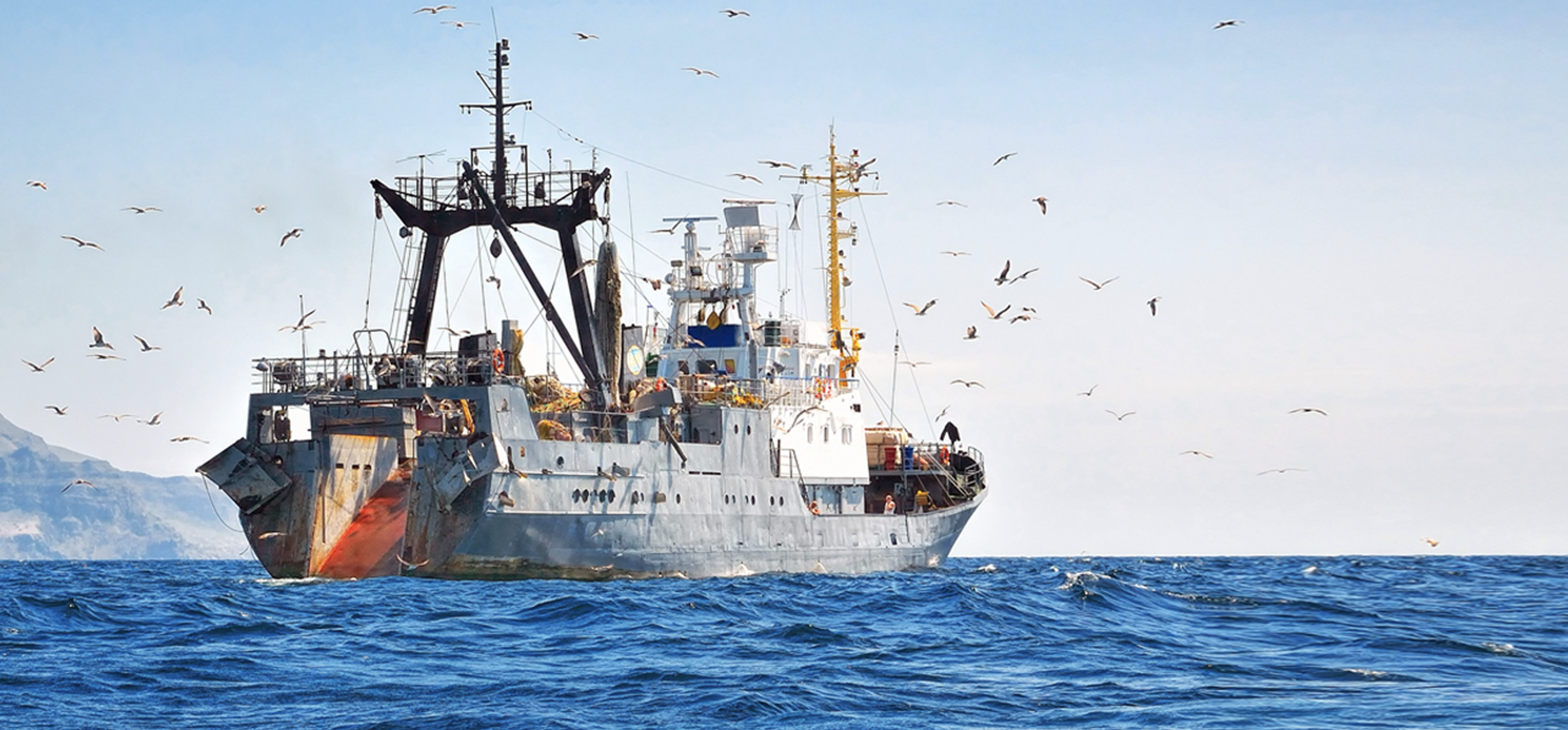
The agreement establishes mandatory safety standards for more than 45,000 fishing vessels 24 metres in length and over, according to FAO data, helping to prevent accidents, improve fishermen’s working conditions, strengthen competitiveness and protect the marine environment.
The IMO Secretary-General, Mr. Arsenio Dominguez, welcomed this important step:
« Thousands of fishermen lose their lives every year as they work to meet the world’s growing appetite for fish and fish products. The 2012 Cape Town Agreement will help protect fishing crews, while preserving vessels. »
Argentina joins the CTA
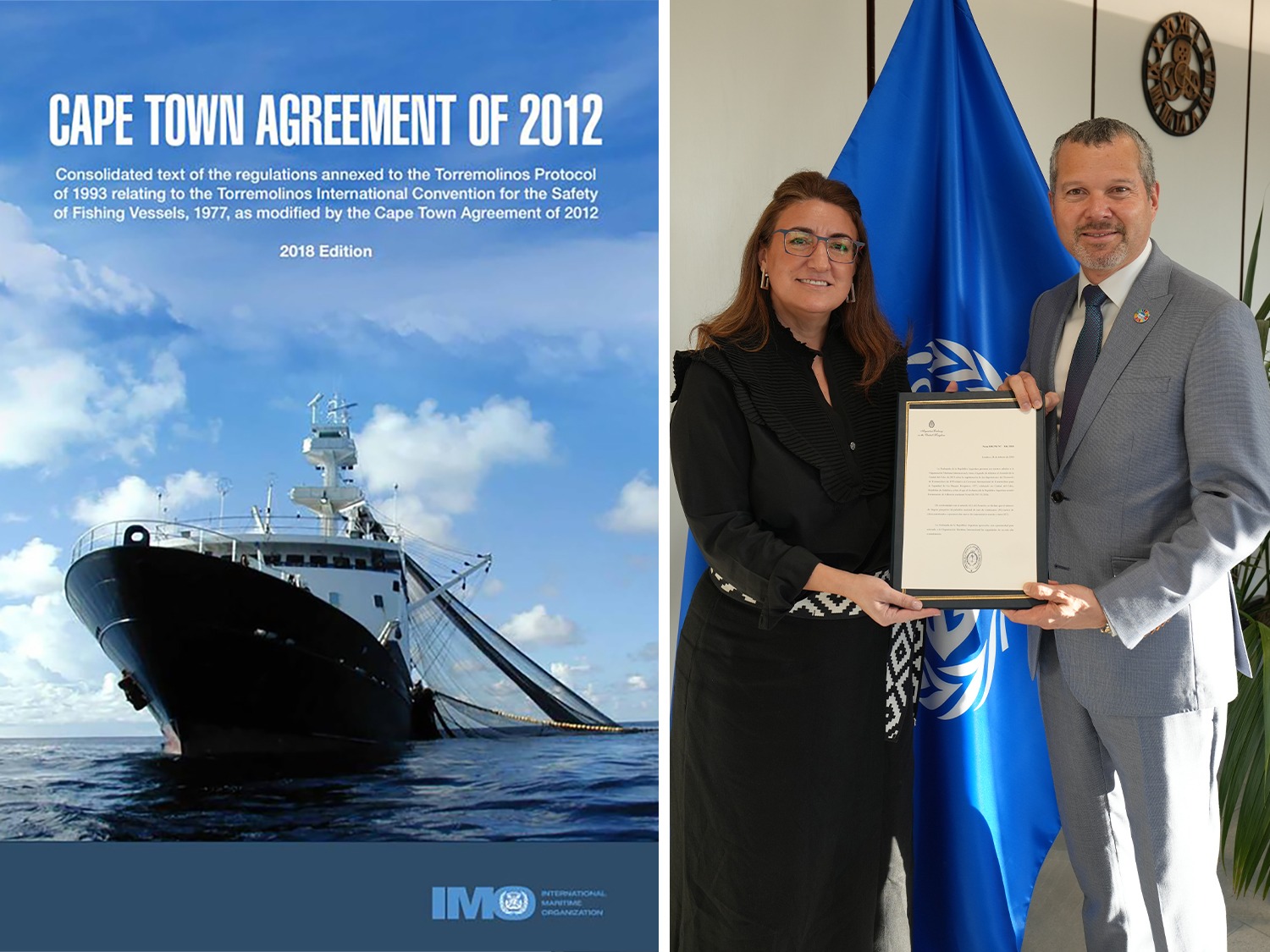
Argentina became the last country to join the agreement, S.E. Ms. Mariana Edith Plaza, Ambassador of Argentina to the United Kingdom, having filed the instrument of accession on February 24, 2026 at the IMO headquarters in London.
This brings the total number of member state memberships to 28, representing 3,754 vessels with a length equal to or greater than 24 meters. The Cape Agreement came into effect 12 months after at least 22 States, collectively representing 3,600 eligible fishing vessels – usually high-sea vessels – agreed to be bound by the treaty.
Ensuring the safety of fishermen and ships
Once in force, States Parties must integrate the provisions of the 2012 Cape Accord into their national law and apply them like any other legislation.
Flag states must ensure that ships registered in their registers comply, while port states have the right to inspect foreign ships in their ports to verify that they meet the requirements of the 2012 Cape Agreement. These shall cover the design, construction, equipment and inspection of fishing vessels, as well as the stability and airworthiness of vessels, electrical machinery and installations, life-saving machinery, fire protection and communication equipment.
Beyond safety, the agreement should also contribute to the reduction of marine pollution by plastics from abandoned or lost fishing gear.
Four pillars for the safety of fishing vessels
The 2012 Cape Accord is the culmination of IMO’s decades of work, based on previous international instruments that have not entered into force, including the 1977 Torremolinos International Convention on the Safety of Fishing Vessels and the 1993 Torremolinos Protocol. The treaty is expected to enter into force in 2027, nearly 15 years after its adoption in 2012.
The Cape Accord represents the fourth pillar of the global safety of fishing vessels, alongside the following key instruments, all in force:
- The IMO’s STCW-F Convention on the Training and Certification of Fishermen.
- The ILO Convention on Work in Fisheries, 2007, which sets minimum requirements for work on board, including rest hours, food, minimum age and repatriation.
- The FAO Agreement on Port State Measures to prevent, counteract and eliminate illegal, unreported and unregulated fishing (IUU), 2009, which aims to combat IUU fishing by effective port State measures.
Contracting States
With the accession of Argentina, the 28 contracting states of the Cape Accord, representing 3,754 eligible fishing vessels, are:
South Africa, Germany, Argentina, Belgium, Belize, Congo, Croatia, Denmark, Spain, Finland, France, Ghana, Iceland, Japan, Kenya, Namibia, Nicaragua, Norway, New Zealand, Netherlands, Peru, Portugal, Republic of Korea, Saint Kitts and Nevis, Sao Tomé and Principe, Solomon Islands and Vanuatu.
source : organisation maritime international