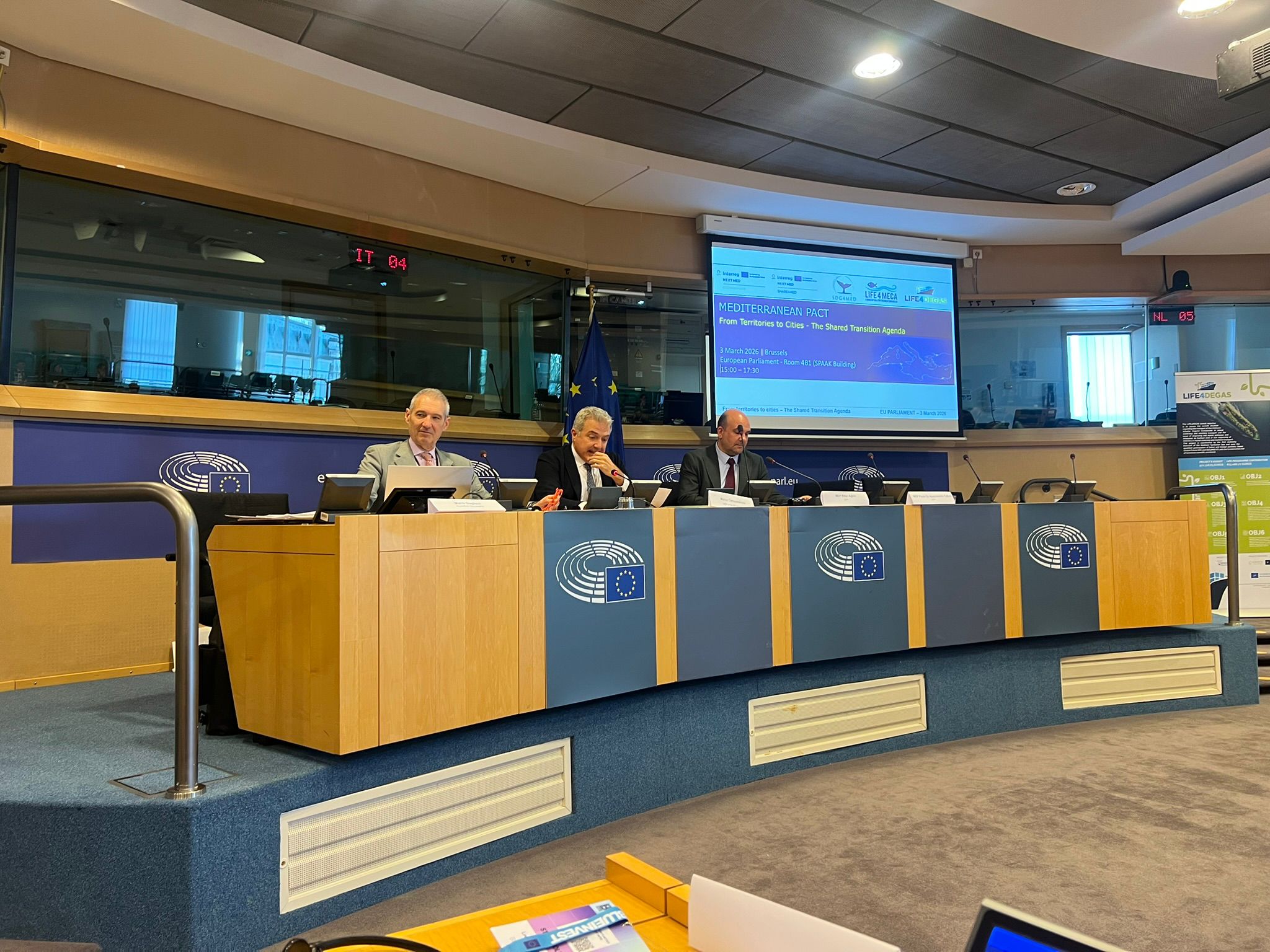
On 3 May 2026, Brussels hosted a major event dedicated to the Mediterranean. At the « Mediterranean Pact: From Territories to Cities – The Shared Agenda, » organized by SDG4MED, elected officials, scientists, port stakeholders and industry representatives met to review the region’s progress
and set priorities to transform the Mediterranean into a resilient, sustainable and integrated space. Participants emphasized the region’s growing role, now seen as a true hub for blue economy growth rather than a peripheral area. One speaker stressed the need
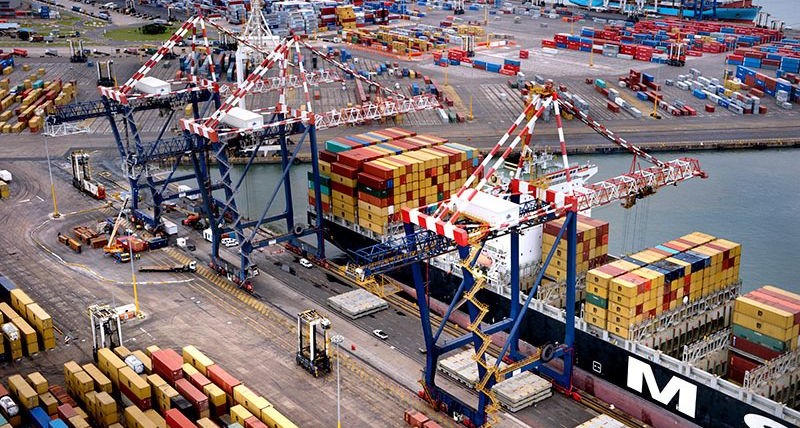
to strengthen regional governance to deliver on political ambitions by fully mobilizing European funding. Another highlighted the strategic importance of ports, which must become key hubs for energy and logistics capable of reinforcing supply chains between
Europe and the Mediterranean. Speakers recalled that research and innovation are essential to preserve biodiversity, combat tropicalization and develop the blue sector. A CIESM representative presented a vast scientific network of 23 states and nearly 10,000
researchers, supported by concrete programs such as climate and psychosocial monitoring. A call was made to simplify funding mechanisms to ease research project implementation. Energy was at the heart of the debates: an expert underlined the need to develop
natural resources such as biomass and biomethane, as well as to modernize the Mediterranean fleet, including around 60,000 small fishing boats — a priority for the green circular economy. Underwater security, essential for regional stability, was discussed,
with emphasis on planned submarine hub projects to monitor this strategic area — where 70% of data bound for Africa transits. A recurring issue is the brain drain from South to North. Rym Benzina, president of La Saison Bleue in Tunisia, noted that despite
a dynamic tourism sector attracting millions of visitors annually, mobility of young people and specialists remains limited. “To attract talent, it is essential to create mutually beneficial jobs, without the North imposing solutions on the South,” she said.
She stressed the importance of investing in training, jobs and regional attractiveness to retain skills and prevent exodus. The region should not only grow but also build balanced, fair and solidarity-based cooperation for a shared future. Discussions also
highlighted the importance of establishing an equitable regulatory framework, streamlining EU funding instruments and ensuring digital interoperability. The European Commission confirmed its commitment to developing a concrete action plan with roadmaps for
fisheries, energy, maritime security and data management. European and regional leaders agree: for the Mediterranean to reach its full potential, coordinated, genuine and results-driven mobilization is essential. With all its assets, the region can become a
global leader in the sustainable blue economy — provided all stakeholders unite in an ambitious, pragmatic and collective effort.