
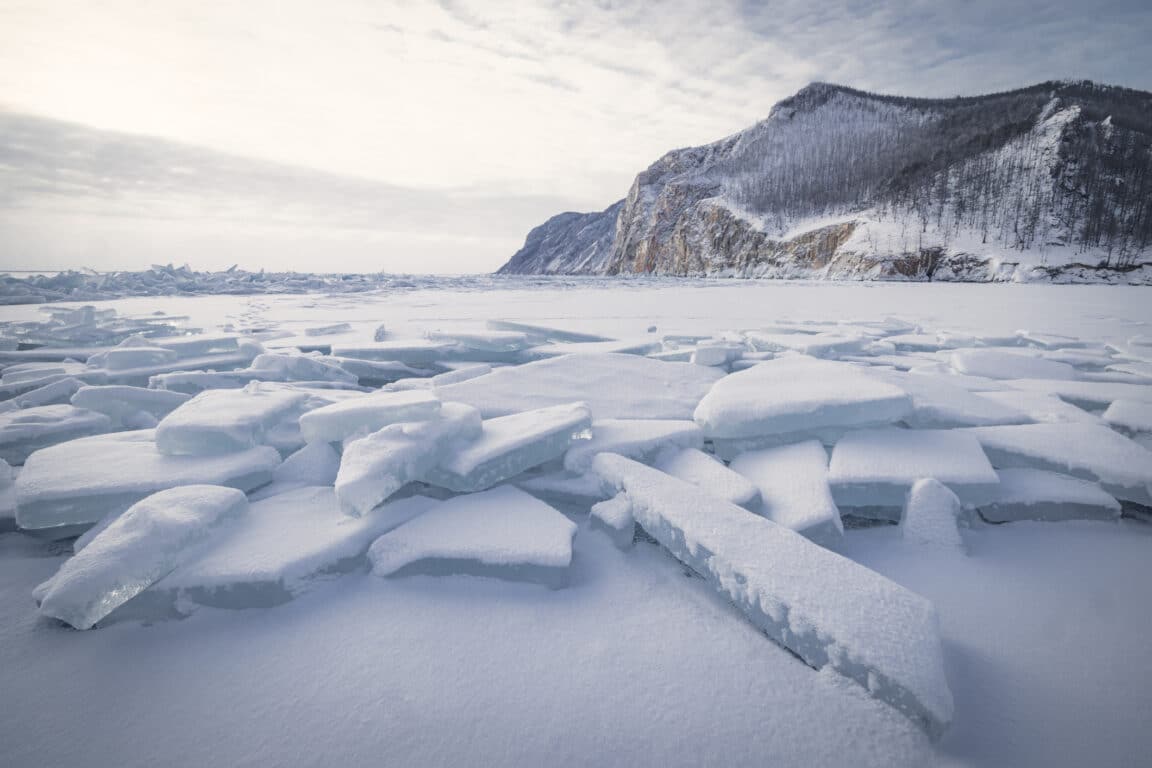
Every austral winter, Antarctica transforms. The sea ice surrounding the continent expands, nearly doubling its surface area. However, during the winters of 2016 and 2017, a rare phenomenon occurred: a massive hole the size of Switzerland opened in the ice pack, dubbed the Maud Rise polynya. This phenomenon has long puzzled scientists. What happened?
Oases in a frozen desert
Polynyas are areas of open water surrounded by sea ice . They typically form in polar regions due to various factors, such as ocean currents, winds, temperature variations, and underwater geological activity. They can be temporary or permanent and often have significant ecological importance, providing vital habitats for diverse marine species, including marine mammals, birds, and fish.
Furthermore, we know that these structures can influence the exchange of heat and gases between the ocean and the atmosphere, which can have significant implications for regional and global climate.
The birth of a monumental polynya in Antarctica
In 2016 and 2017, one polynya in particular, the Maud Rise polynya in the Weddell Sea, captivated the attention of researchers worldwide. This gigantic hole, the size of Switzerland, defied traditional models of the formation of these open waters .
Faced with this phenomenon, scientists have asked fundamental questions: why did a polynya of such magnitude appear in a region usually covered in ice? What complex mechanisms are at work to maintain this opening in the ice pack despite the harsh winter conditions?

A ballet of complex elements
Extensive studies have revealed that the formation of the Maud Rise polynya resulted from a complex combination of factors. First, a strengthening of the circular ocean current in the Weddell Sea was observed. This then caused warm water to rise from the depths to the surface, thus promoting the melting of sea ice.
However, the polynya’s persistence could not be explained solely by this phenomenon. Further analysis ultimately revealed the involvement of turbulent eddies around Maud Rise, acting like pumps to bring more saltwater to the surface . This process, combined with the wind transport of Ekman ice, would then have maintained the opening in the ice pack despite the adverse conditions .
This analytical work is important. As mentioned above, polynyas, such as Maud Rise, are not merely scientific curiosities. They also have long-term implications for the Antarctic ecosystem. By altering ocean current circulation and influencing heat transport in the region, these open areas can indeed have lasting repercussions on marine biodiversity and the regional climate.
Understanding these complex phenomena is therefore crucial to better understand the impacts of climate change on polar regions, and research on the Maud Rise polynya provides valuable insights into the oceanic processes that shape Antarctica and the Southern Ocean.
The formation and persistence of the Maud Rise polynya in 2016 and 2017 constitute a fascinating and complex phenomenon, revealing the multifactorial dynamics of the polar oceans. By demonstrating the interaction of ocean currents, turbulent eddies, and surface winds, researchers have shed light on the precise mechanisms that allow these vast openings to persist in the sea ice despite the rigors of the austral winter.
These discoveries are crucial to our understanding of the Antarctic ecosystem and the impacts of climate change on this region. Polynyas, far from being mere natural curiosities, play a vital role in the exchange of heat and gases between the ocean and the atmosphere, thus influencing regional and global climate. Furthermore, they provide vital habitats for numerous marine species, highlighting their ecological importance.
Continued research on phenomena such as the Maud Rise polynya is essential to anticipating future climate change and its effects on polar ecosystems. By better understanding these processes, we can better prepare the conservation strategies needed to protect these fragile environments. The results of these studies, published in Science Advances , make significant contributions to our knowledge of the polar oceans and the climate challenges that lie ahead.
source : Sciencepost