The Our Ocean conference was created with a simple yet powerful ambition: to move the world from words to action for the ocean. Since its inception in 2014, it has mobilized governments, the private sector, civil society, and communities to make concrete and measurable commitments to protect ocean health while supporting sustainable development.
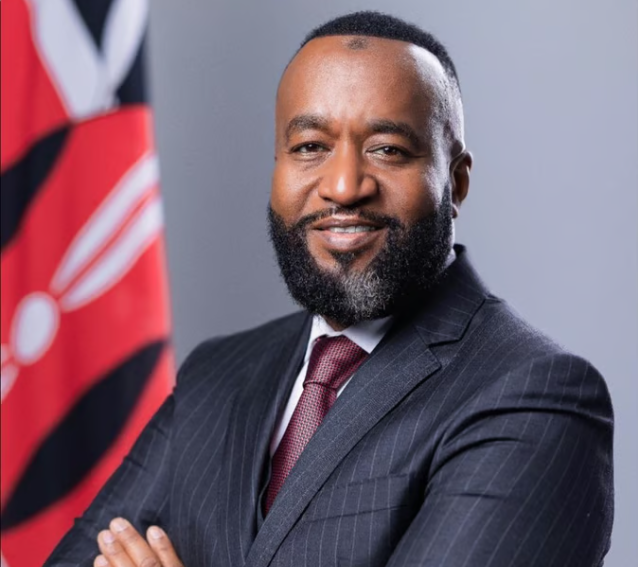
By the Kenyan Minister of Mines, Blue Economy and Maritime Affairs, the Hon. Hassan Ali Joho
Over the past decade, Our Ocean has generated thousands of pledges worth billions of dollars, driving progress in marine protection, sustainable fisheries, climate action, pollution reduction, maritime safety, and a thriving blue economy. What sets Our Ocean apart is its focus on implementation: pledges are tracked, reported, and subject to an accountability mechanism.
In June 2026, Kenya will have the honor of hosting the Our Ocean Conference (OOC ) , bringing together the world in East Africa at a pivotal moment for ocean and climate action. For Kenya, hosting the OOC is both a responsibility and an opportunity: to highlight African priorities, showcase community-driven solutions, and help shape the next chapter of an ambitious future for the ocean.
Objectives and intent of the OOC
The Our Ocean conference essentially aims to:
- Protecting marine ecosystems and biodiversity , in particular through the expansion and effective management of marine protected areas;
- Promote sustainable fishing and livelihoods , ensuring food security while rebuilding fish stocks;
- Combating marine pollution , particularly that caused by plastics and waste of land origin;
- Strengthening maritime security and governance in order to combat illegal activities at sea;
- Leveraging the link between the ocean and climate , by recognizing the role of the ocean in mitigation, adaptation and resilience;
- Develop a sustainable blue economy , driven by innovation, investment and inclusive growth.
Kenya’s organization of the OOC 2026 is inspired by these ambitions and draws on our experience as a coastal and maritime nation whose people, culture and economy are deeply connected to the ocean.
Combating marine pollution – from micro to macro
Marine pollution, particularly plastic pollution, is one of the most visible threats to ocean health. From microplastics entering food chains to large plastic debris damaging coastlines and coral reefs, the consequences are far-reaching.Newsletter
Kenya will use the OOC 2026 to promote solutions that go beyond simple cleaning: circular economy, extended producer responsibility, materials innovation and more robust waste management systems to prevent pollution at the source.
Expand and strengthen marine protected areas
Achieving the global « 30×30 » target – protecting 30% of the oceans by 2030 – requires more than just designation. It demands effective management, sustainable funding, and partnerships with communities.
Kenya’s experience shows that marine conservation is successful when local communities are both co-managers and beneficiaries. At this OOC, we will highlight ways to develop marine protection in national waters and on the high seas, while ensuring that conservation provides livelihoods, resilience, and equity.
Securing the maritime domain
The health of the oceans depends on the security and good governance of the seas. Maritime insecurity, including illegal fishing and other transnational crimes, undermines conservation, development, and regional stability.
As part of the OOC 2026, Kenya will encourage cooperation, the use of technology and capacity building to improve knowledge of the maritime domain and enforce the rule of law at sea, particularly in areas most affected by illegal activities.
Advancing the link between the ocean and the climate
The ocean is at the heart of the global climate system, but climate change is placing unprecedented pressure on marine ecosystems and coastal communities. Rising sea levels, warming waters, and extreme weather events threaten lives and livelihoods across Africa.
Kenya will use the Our Ocean platform to advocate for ambitious ocean-based climate solutions, increased funding for adaptation, and greater recognition of its role in achieving global climate goals.
Developing a sustainable blue economy
Africa’s blue economy holds immense potential for growth, employment, and innovation, but only if development is sustainable and inclusive. The OOC 2026 will bring together policymakers, investors, and innovators to promote responsible investment in fisheries, aquaculture, maritime transport, renewable energy, tourism, and marine biotechnology.
Our ambition is a blue economy that creates opportunities while preserving natural capital for future generations.
Preserve fishing and strengthen communities
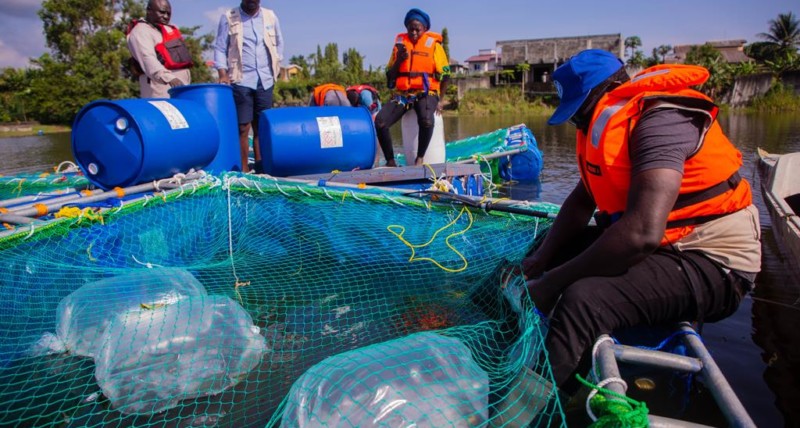
Sustainable fishing is essential for food security and livelihoods, but illegal, unreported, and unregulated fishing continues to threaten stocks and economies. Kenya will make science-based management and community-led solutions the central pillars of its ocean action.
The 2026 Ocean Orientation Conference (OOC) will champion a bottom-up approach , placing coastal communities, women, and youth at the heart of ocean governance. Their leadership is essential to translating global commitments into real and lasting impact.
The challenges facing the ocean are global, but the solutions must be concrete, inclusive, and based on partnership. As Kenya prepares to welcome the world, we invite all stakeholders to join us, not only in making commitments, but also in fulfilling them.
Our Ocean was founded on action. Kenya’s ambition is for OOC 2026 to be an accelerator of progress — for Africa, for the world and for future generations.
source : la tribune