
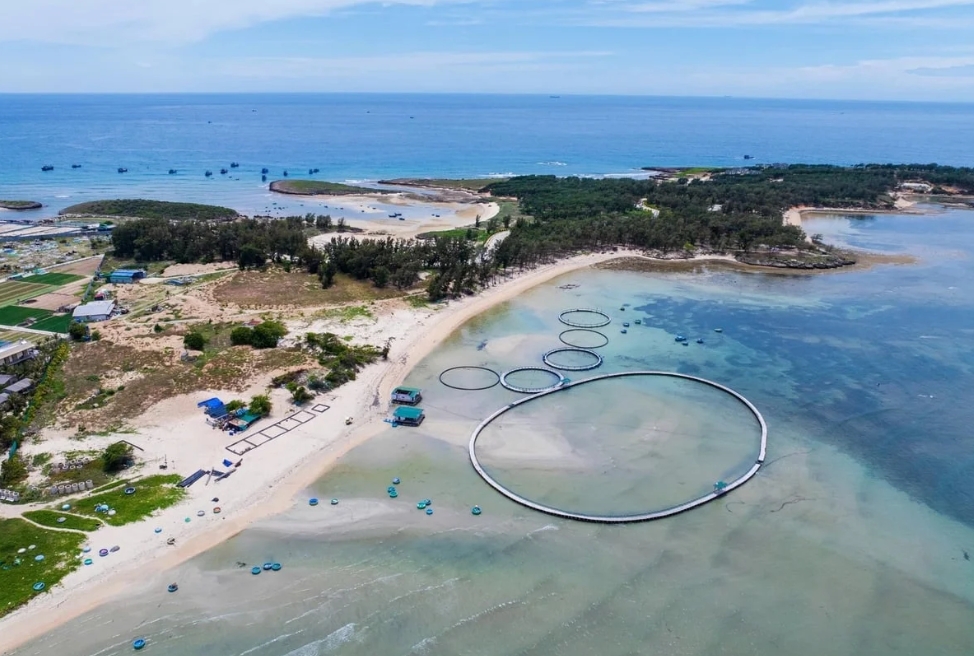
The To County Concentrated Aquaculture Zone Project marks the beginning of the development of modern and industrial marine aquaculture and the realization of the orientation towards a blue marine economy.
Pioneer of the industrial aquaculture model at sea.
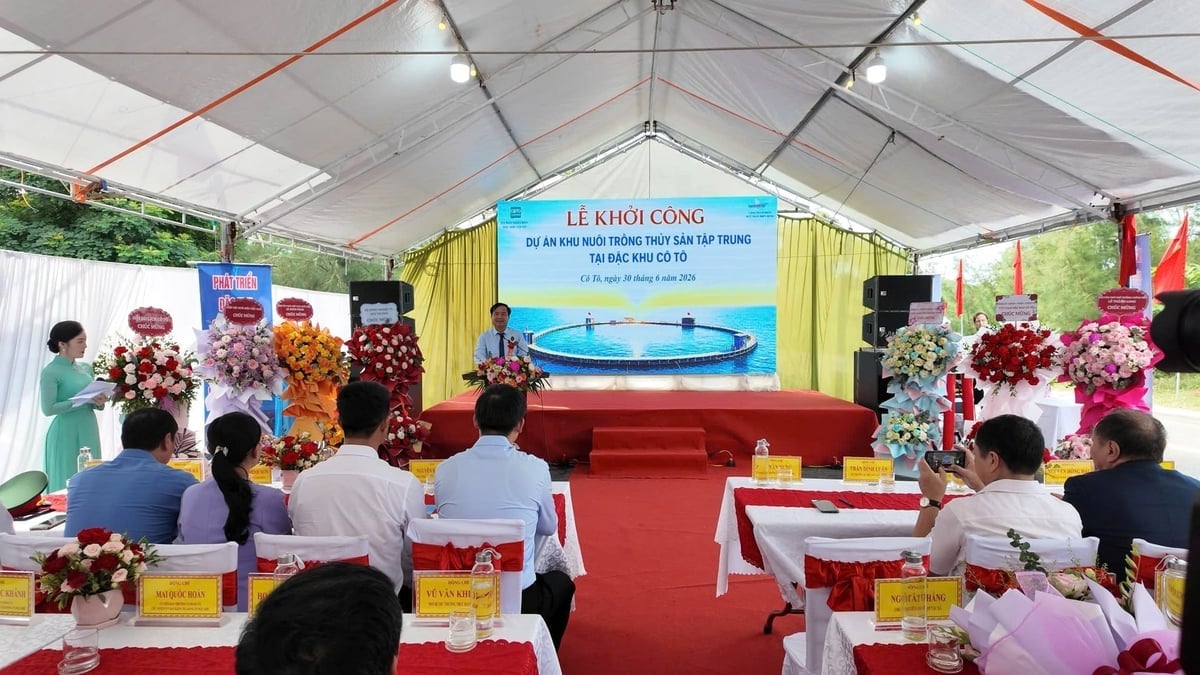
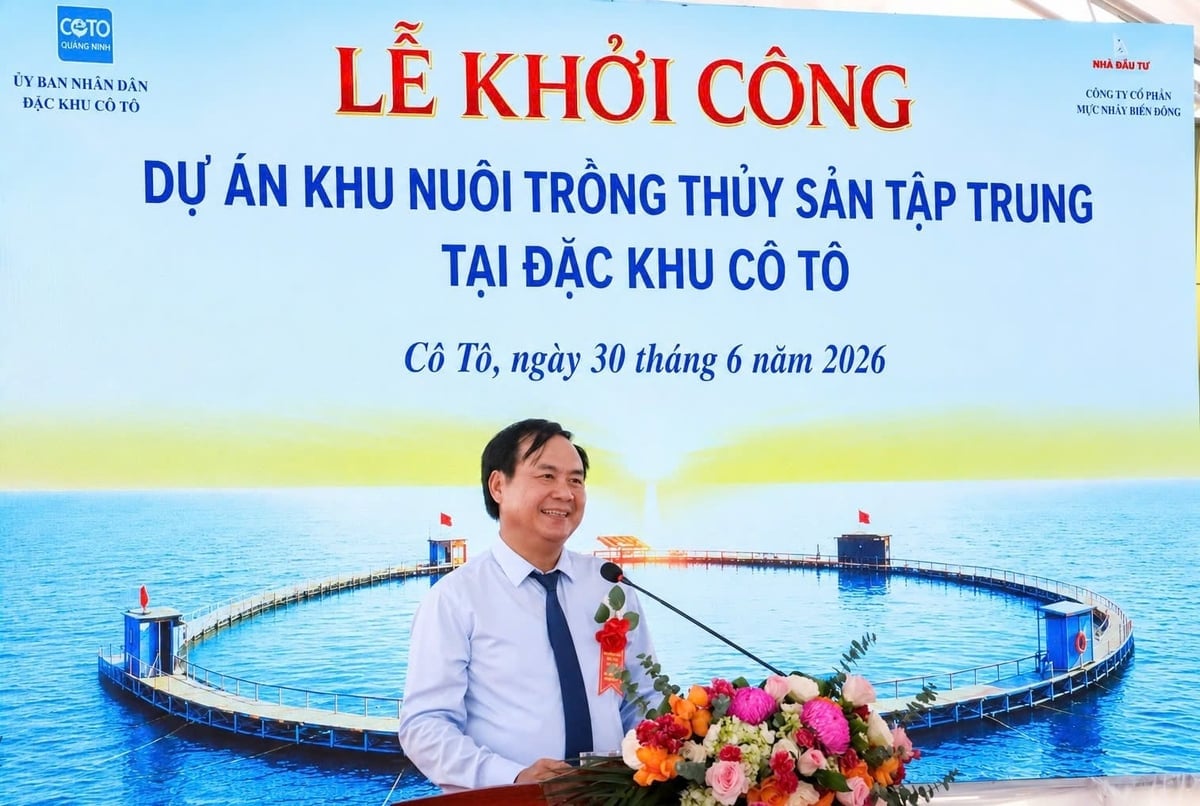
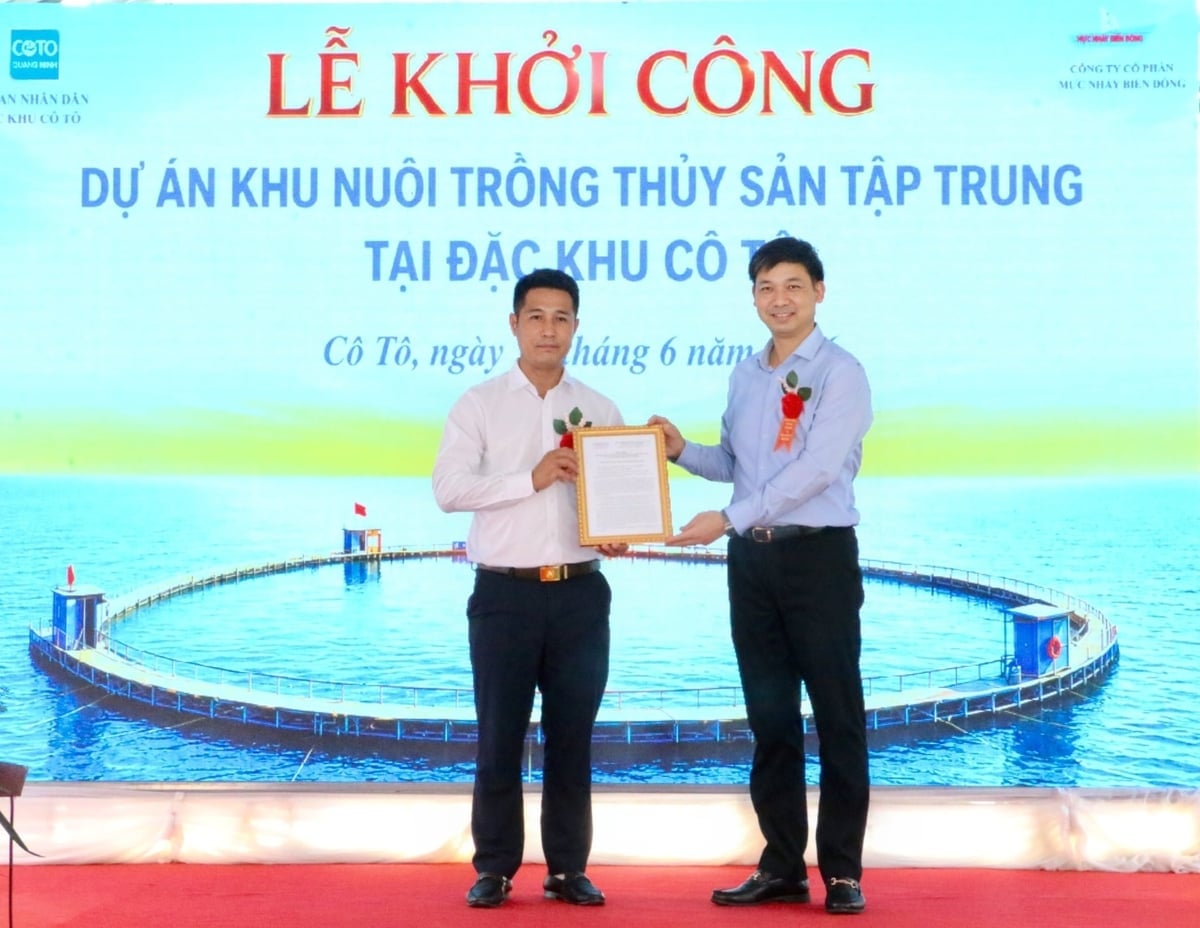
On the afternoon of June 30, a ceremony was held in the special economic zone of Co To (Quang Ninh province) to announce the decision to allocate maritime areas and launch the intensive aquaculture project. This event marks an important step in the Quang Ninh province’s strategy for the development of modern industrial aquaculture at sea.
Approved by the Quang Ninh Provincial People’s Committee, the project covers an area of nearly 210 hectares, represents a total investment of nearly 67 billion dongs and foresees exploitation until 2050. It is implemented by the joint stock company Bien Dong Squid, which has already successfully developed a cutting-edge marine aquaculture model in Khanh Hoa, including more than 13,000 m² of cages and a livestock volume of approximately 151,000 m³. It also has the largest semi-natural squid breeding area in Southeast Asia.
The implementation of this project in the Co To Special Economic Zone is considered a strategic step, concretizing the policy of developing a green marine economy, gradually reducing the exploitation of natural resources and rapidly increasing industrial aquaculture, in accordance with the direction pursued by Quang Ninh.
Unlike traditional aquaculture models that focus on only a few species, this project aims to build a diverse marine aquaculture ecosystem including squid, cuttlefish, octopuses, yellow fins, groupers, sea bass, clams, clams, seaweed, sea cucumbers, etc., with a total expected production of more than 839 tons per year.
Among the selected products, the Co To squid was chosen as the flagship product. This choice is bold because, until now, this aquatic species depended almost entirely on natural exploitation. If successful, the project will secure the supply of raw materials, reduce pressure on the farm and, simultaneously, position the « Calmar Co To » brand as a high value-added aquaculture product.
Mr. Nguyen Ba Ngoc, director of the company by stock company Bien Dong Squid, said that the company aims to build a complete value chain for the marine economy, connecting people from the stages of breeding, commercial agriculture to harvesting and consumption.
As a result, companies will invest in technical infrastructure, technologies and management systems; individuals will be able to participate by contributing financially to the purchase of seed and animal feed in order to produce directly as part of the modern agricultural system. This approach significantly reduces initial investment costs, allowing fishermen to retrain and create businesses in cutting-edge marine aquaculture.
In addition to creating livelihoods, the project should create stable jobs for a hundred local workers, while establishing a lasting link between the company and cooperatives, associations and the inhabitants of the island.
The strong point of the project lies in its industrial aquaculture model at sea. Designed according to the manufacturer’s specifications, the system uses high-tech HDPE cages, capable of resisting strong waves and strong winds, while offering a long life and ecological character. The infrastructure includes 43 circular HDPE cages for fish and squid farming; 160 square cages for mollusc and seaweed farming; 20 square cages for marine fish farming; 20 square cages for fish and squid breeding, as well as an administrative building, a floating power plant and liaison pontoons to support production.
The entire breeding area is divided into specialized areas: breeding of squid, marine fish, molluscs, algae, holothurias and a breeding area. This organizational structure allows a much more standardized control of diseases, water quality and technical processes than the old methods of small-scale breeding.
From the investment preparation phase, investors are required to assess biodiversity and develop solutions to protect marine ecosystems before their implementation. In operation, companies must scrupulously respect environmental regulations, refrain from any release of pollutants, avoid degrading marine ecosystems and not hinder legitimate maritime activities.
In parallel with traditional aquaculture species, the project also conducts pilot research on blue fugu breeding to expand the list of aquatic species of high economic value. Another promising track is to combine marine aquaculture with experiential tourism, allowing visitors to discover cutting-edge marine breeding models, learn about production processes and taste local specialties directly in the Co To maritime area.
Freeing the engine of the development of the blue economy.
At the launch ceremony, the Deputy Minister of Agriculture and Environment, Vo Van Hung, stressed that this event not only marked the beginning of an investment project, but also a turning point in the vision of the development of the fishing sector in Vietnam. According to him, marine aquaculture is evolving from artisanal production to the development of a modern economic sector; from the exploitation of the potential of the marine surface to the creation of economic value from the sea; and from competition focused on production volume to competition focused on science and technology, quality, brand and management skills.
The deputy minister said that the sea is not only a space for survival, but also becomes a new engine of economic growth. Aquaculture is no longer just a traditional activity, but will become a modern economic sector with high added value, promoting sustainable development, the circular economy and international integration.
Recognizing Quang Ninh’s potential, Deputy Minister Vo Van Hung said the province was bringing together all the strength to become a pioneer in the development of industrial aquaculture nationwide. However, he stressed that the objective should not be limited to the development of production, but also to make Quang Ninh a pole of innovation in aquaculture in Vietnam, a place where new management models, new technologies and new value chains are created and reproduced in other coastal regions.
According to the Deputy Minister, to achieve this goal, Quang Ninh must continue to improve the planning and organization of the efficient use of marine space; develop synchronized infrastructure for marine aquaculture; promote the digital transformation of aquaculture zone management; strengthen environmental monitoring and alert; and proactively attract companies with technology, finance and management skills to invest in the development of marine aquaculture at scale.
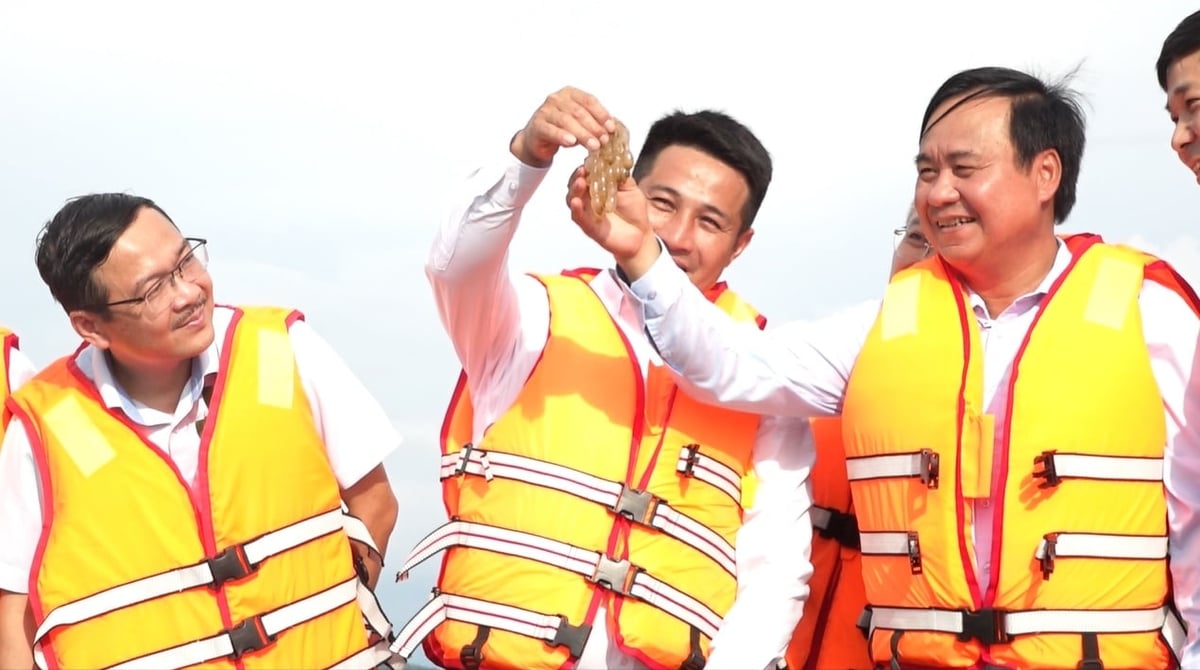
At the same time, the development of marine aquaculture must always be linked to the conservation of marine ecosystems, environmental protection, adaptation to climate change, the guarantee of national defence and security, and sustainable livelihoods for fishing communities.
With more than 250 km of coastline, more than 2,000 islands and a vast maritime area, Quang Ninh meets favorable conditions for the development of large-scale aquaculture. After years of processing floating materials, planning aquaculture areas and improving management mechanisms, the launch of the Co To squid breeding project is considered a first concrete step towards achieving the goal of making aquaculture a modern industrial economic sector.
Deputy Minister Vo Van Hung also urged companies to recognize that investing in aquaculture is an investment for the future, focusing on science and technology, digital transformation, artificial intelligence, automation, high-quality breeding, advanced processing and national brand creation for Vietnamese aquaculture products.
Businesses need to grow along a closed value chain, strengthen their ties with cooperatives and local populations, share profits, create jobs and increase the incomes of coastal fishing communities.
Source: Vietnam