
The transport of raw materials overheats: the so-called Baltic Dry Index (BDI), i.e. the key indicator of the maritime sector, has reached a peak in two years. Among the explanations, there is the geopolitical context, the weather and a strong demand from exporters.
Since the beginning of 2026, the BDI, a key indicator of maritime transport, has increased by 77%. This reflects a significant increase in the average daily rates charged by charterers. For example, a large bulk carrier – Capesize 5TC – which cost an average of between $20,000 and $30,000 per day in January, saw its price jump to $40,000 per day in August. The stock market shares of some dry bulk carriers have, unsurprisingly, skyrocketed this year.
The first factor that weighs on prices is the war in the Middle East, which has disrupted transport and skyrocketed the cost of marine fuel « which is part of the transport costs reflected by the BDI, » says Marc Pauchet, global head of commercial development of oil tankers at Bureau Veritas.
To this situation, a weather factor has been added in recent weeks: port activities along the Pacific frontage have been severely disorganized by a series of typhoons that have led to delays and the immobilization of some ships longer than expected. Result: the cost of crossings to this part of the globe has inevitably risen.
Strong demand in stork
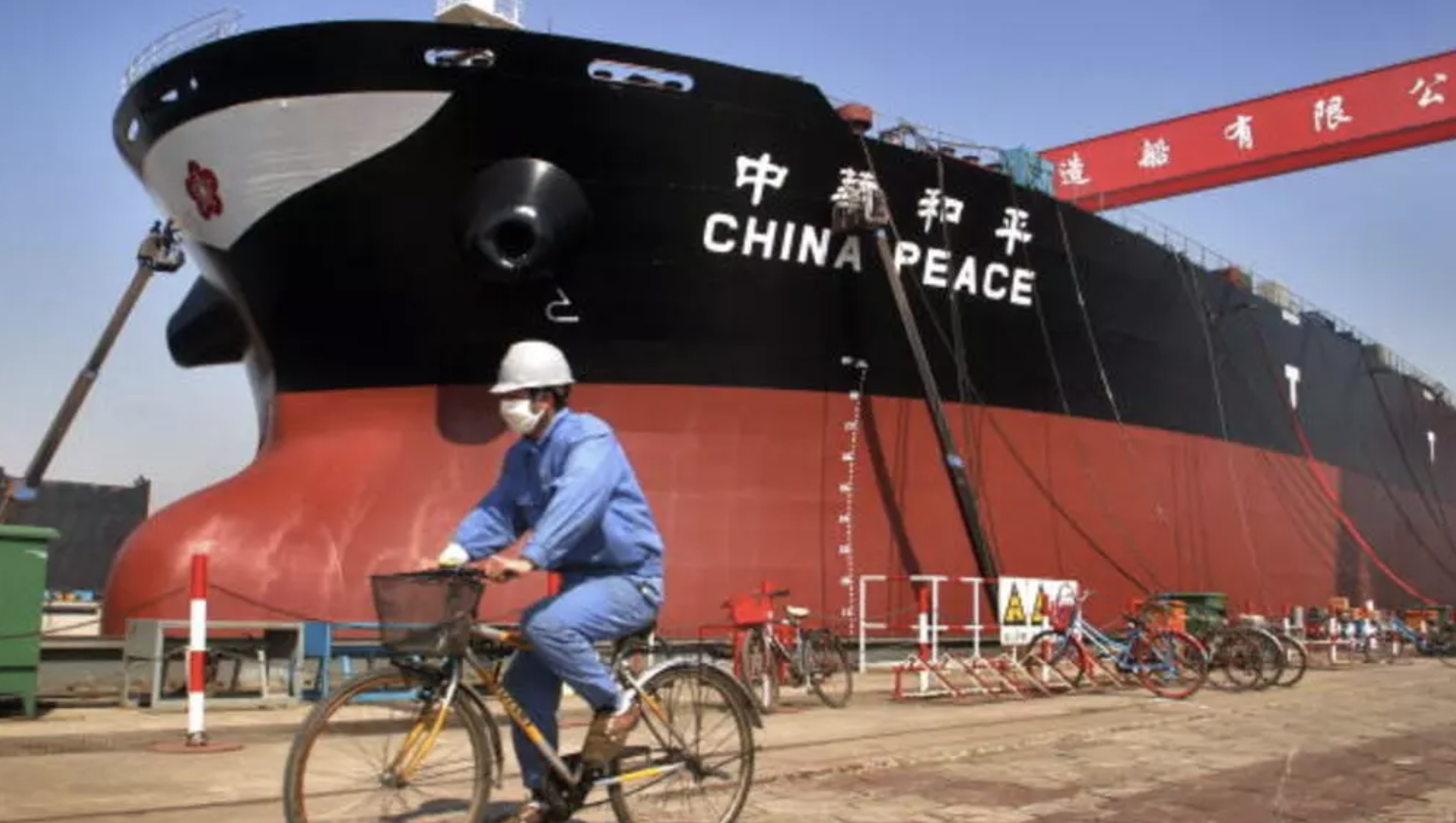
These disturbances fall badly, because on the other hand, the demand for busks, these boats that sail the seas and transport iron, cereals, coal or fertilizers, is strong. Panamax, Supramax… Market pressure applies to all ship sizes. But the largest price increase is observed on those called Capesize, which have a capacity of 150,000 to 200,000 tons.
One of the explanations is the low renewal rate of the fleet. « It is only 1% since the beginning of the year for Capesize compared to 3.5% for Panamax and Kamsarmax and 3.3% for Supramax and Ultramax, » says the Bureau Veritas expert.
At the end of August, the demand for ships on the transatlantic routes was the main driver of higher fares, as the latest official bulletin of the Baltic Exchange points out. Maritime activities between southern Brazil and China and West Africa and China have also increased. And who says more trade, says more competition to find a ship.
Needs for Guinea iron
When we talk about West Africa, we talk in particular about Guinea. The country has been exporting bauxite, but also iron since last year. Thanks to the modernization of the transhipment facilities off the coast, – the iron transported to the port of Morebaya cannot be directly loaded on ships, for lack of sufficient draft –, the export rate of this iron ore from the Simandou deposit continues to increase, which implies more ships mobilized and over a long time, since it is a matter of connecting Guinea to China.
This need for bulk carriers for Guinean exports will become structural, and will be added to the Capesize already mobilized on the Australia-China road, to transport minerals there as well.
source : rfi