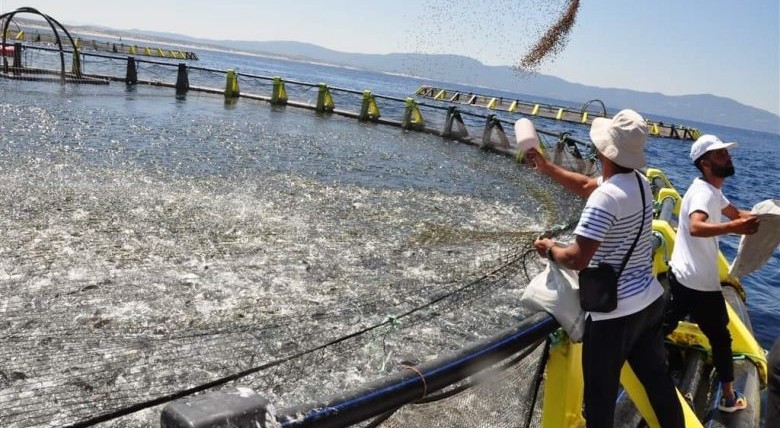

The blue economy, which relies on aquatic and coastal resources to create economic growth, generates nearly USD 2.5 trillion globally every year. It is the equivalent of the seventh world economy. Covering a wide range of sectors, from fishing and aquaculture to coastal infrastructure, maritime transport and tourism, it has a still largely untapped economic potential.
But a sustainable blue economy can also offer a powerful driver of resilience, especially in small island developing states (SDPs). Well-designed investments in the blue economy make it possible to diversify livelihoods, strengthen local food systems and support the sustainable management of coastal and marine ecosystems that help mitigate the effects of climate shocks.
That is why 23% of projects supported by IADF include fishing and aquaculture activities, with $2.1 billion invested since 2010. IADF investments help stabilize revenues, reduce the damage of climate change and promote sustainable growth.
In Haiti, an IADF-funded project offers valuable lessons. Launched in 2022, the first IFID investment in the blue economy in Latin America and the Caribbean, the Inclusive Blue Economy Project (or I-BE), endowed with $26.6 million and implemented by the Ministry of Economy and Finance, demonstrates that strengthening the blue economy allows coastal rural communities to support growth, even in the most fragile contexts.

A strategic lever for resilience
Many obstacles hinder the economic development of Haitian coastal communities as persistent insecurity and political instability disrupt value chains, increase market access costs and push many people to leave. At the same time, these territories are also among the most exposed in the world to the effects of climate change.
In this context of fragility, strengthening long-term resilience is essential. The I-BE project shows that investments in the blue economy can be a solution. On the country’s northern coast, IADF finances essential rural infrastructure and the revitalization of local industries to improve population resilience, food security and self-sufficiency.
As economic prospects open up, the project also transforms the way coastal rural populations manage marine resources, so that they continue to support livelihoods for years to come. For example, I-BE is currently installing sea-to-sea fish concentration devices that reduce fishing pressure on already overexploited coastal coral reefs. Local fishermen thus increase their catches and revenues in a sustainable way.
In the small coastal community of Jacquezil, residents work together to restore mangroves with the support of the I-BE project. These ecosystems act as natural barriers against rising sea levels, helping to prevent coastal erosion and reduce flood risks. By offering breeding grounds for marine wildlife, they also support local fishing communities. To date, six mangrove nurseries covering a total area of about 1,500 m² have been set up, with an estimated production of 117,000 plants.

From fish sellers to entrepreneurs
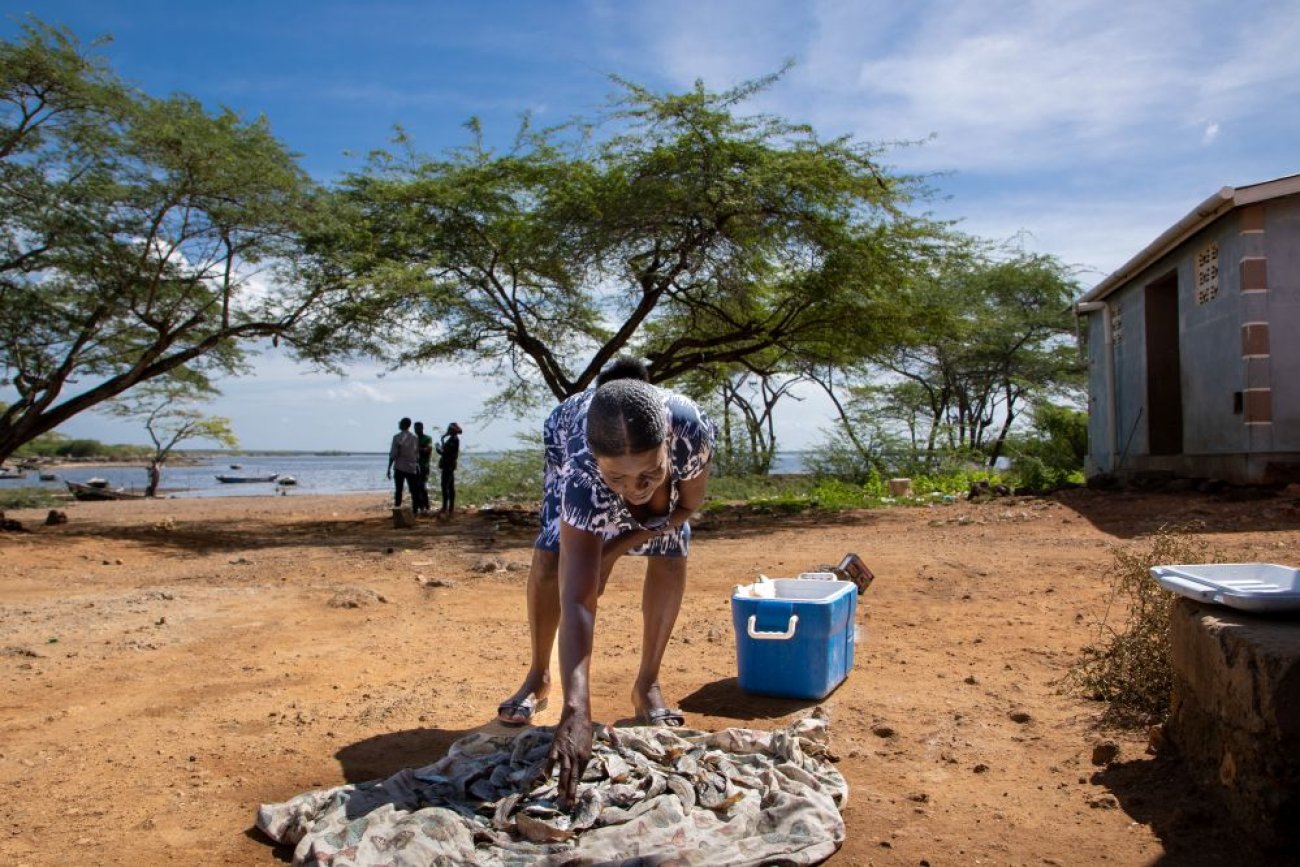
On the shores of the Bay of Fort-Liberté, the I-BE program supports small fish sellers in transforming their activity from a simple means of livelihood into a profitable small business capable of overcoming all kinds of crises. Many of them had been practicing their profession for decades without having the necessary tools to transform this informal work into a viable commercial activity.
At the beginning of 2026, nearly 200 fish sellers took the step thanks to an intensive training program covering small business management, sales techniques, as well as hygiene and product conservation standards. Completing their long practical experience, the project trained them to make more informed economic decisions.
While they previously worked in precarious conditions and struggled to keep the fish long enough for it to reach buyers, they are now ready to run small businesses called to grow and able to access organized markets. Local vendors no longer see themselves as simple small traders, but as entrepreneurs building a more prosperous future.
These sellers are among the more than 23,000 participants who have benefited from the activities of the I-BE project since its launch. This figure is expected to almost quintuple by 2028. As Haiti continues to face economic uncertainty, climate shocks and insecurity, the project demonstrates how the blue economy can lay the foundation for more resilient coastal communities.
This story was originally published by IFAD. Please visit the United Nations team’s website in Haiti for more information on the work of the United Nations in the country.