
The Ivorian government aims to increase the coverage of animal and fish protein needs to 75% by 2030, through the implementation of PONADEPA II.
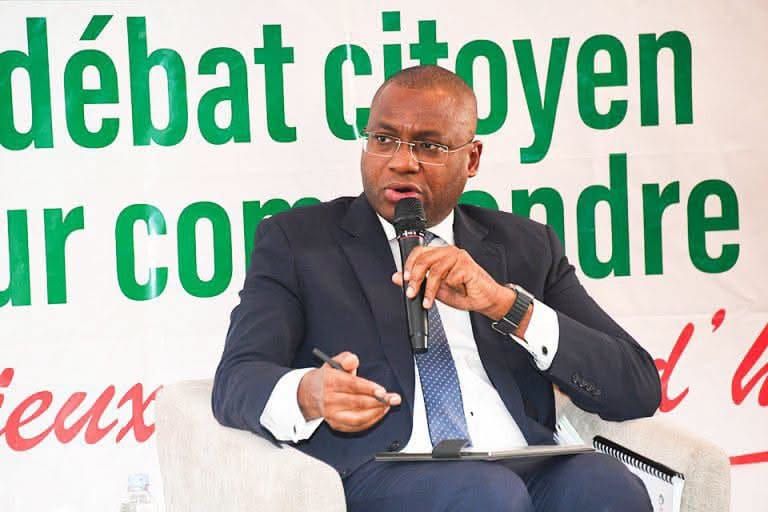
Increase domestic production and reduce dependence on imports in the animal and fisheries sectors. This is the ambition reaffirmed by the Ivorian government by the voice of Sidi Tiémoko Touré, Minister of Animal Resources and Fisheries, as part of the National Policy for the Development of Livestock, Fisheries and Aquaculture (PONADEPA II) 2026-2030.
He spoke on Monday, October 26, 2026, at the Ivotel Abidjan-Plateau, during the « Grands Rendez-Vous de l’AIP » on the theme: « Animal economy and blue economy: what strategies to strengthen food sovereignty, create wealth and accelerate the transformation of sectors in Côte d’Ivoire? « .
According to Minister Sidi Tiémoko Touré, the executive has embarked on a new phase of structural transformation of the animal and fisheries sectors. The goal: to stimulate local production, reduce the bill of imports and promote sustainable growth.
This dynamic has already produced remarkable results between 2021 and 2025. Meat and offal production increased by 27.4%, reaching 231,658 tonnes. That of drinking eggs jumped by 52.8%, while aquaculture production more than doubled, from 6,300 to 12,895 tons.
By 2030, the ambitions are increased: to increase the coverage rate of animal protein and fish needs from 36% to 75%, to create 1.5 million jobs and to double the sector’s contribution to agricultural GDP. The projections target more than 840,000 tonnes of meat, 149,000 tonnes of aquaculture fish and 120,000 tonnes of fishery products.
PONADEPA II is taking a strategic turn, moving from a logic of food security to that of food sovereignty. It aims to guarantee the country’s nutritional autonomy thanks to local actors. This roadmap is fully integrated into the National Development Plan (PND) 2026-2030 and is articulated with the Food Sovereignty Acceleration Program led by Prime Minister Robert Beugré Mambé.