
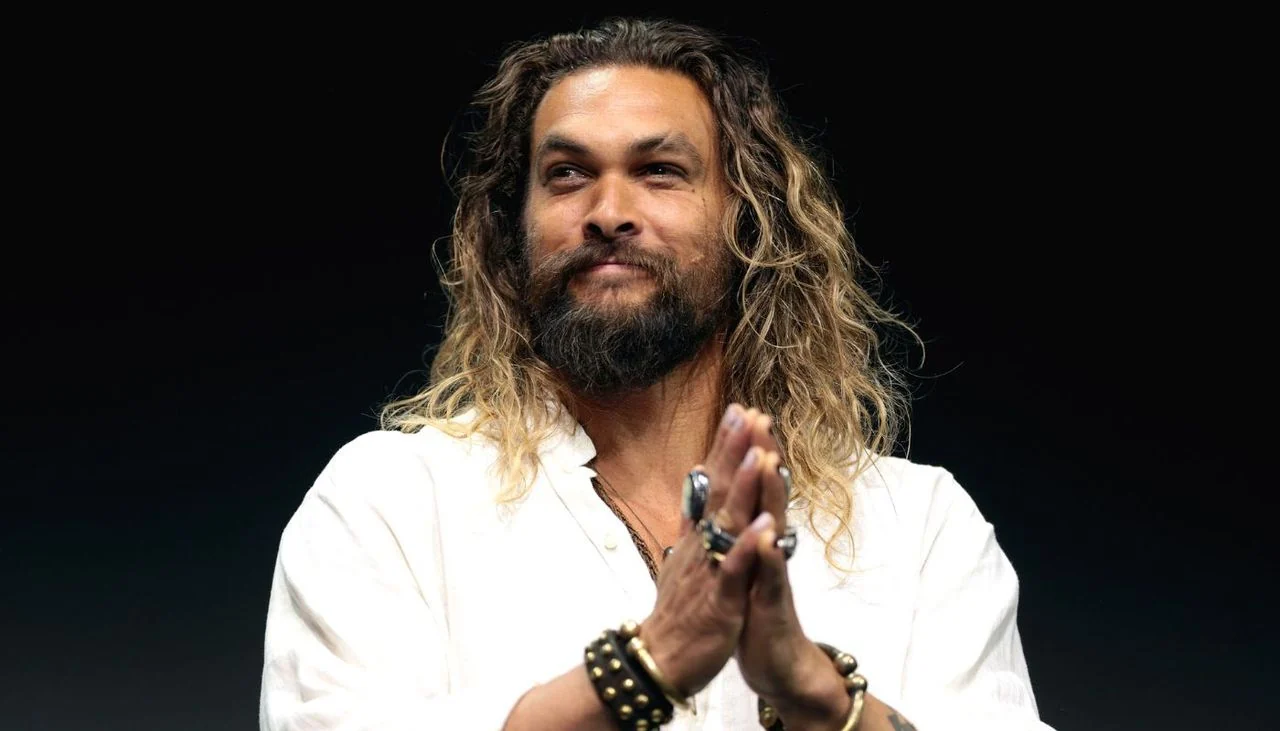
Jason Momoa has always been committed to protecting the environment. Today, he is launching a plastic reuse project that is more effective than traditional recycling. Find out what this initiative consists of.
Jason Momoa, an American actor and producer from Hawaii, has always been particularly sensitive to environmental issues, including plastic pollution and the preservation of marine ecosystems.
In 2019, Jason Momoa founded Mananalu, a company whose goal is to develop alternatives to plastic water bottles.
Since then, the company has continued its development by offering new solutions to limit plastic waste, but also to remove used bottles from the oceans.
Mananalu: a commitment against plastic pollution
Mananalu is a Hawaiian term that means « sacred spirit of life ». The brand created by Jason Momoa is based on the principle of mālama honua, a philosophy deeply rooted in Hawaiian culture, which invites us to take care of the Earth and preserve it.
This is precisely the mission that Mananalu has set itself: to contribute to restoring the health of our planet, after decades of overexploitation of natural resources and uncontrolled pollution.
In 2019, the first step was to offer aluminum water bottles to replace plastic ones. Each aluminum bottle purchased also financed the recovery of plastic bottles thrown into the oceans. The initiative was a real success, with six million bottles removed from the oceans.
What is Jason Momoa’s new project?
The new step taken by Mananalu, who partnered with Boomerang Water in 2025, is to encourage consumers to buy fewer bottles and reuse those they already own, rather than simply replacing plastic with other materials.
For this, specially designed machines have been developed to be installed in establishments where water bottles are usually sold, especially in hotels.
These machines work like conventional water bottle dispensers, with one difference: the containers can be brought back, cleaned, refilled and put back into circulation.Directly connected to the local drinking water network, these machines are able to carry out on site and independently all the operations necessary for the recovery and reuse of the bottles, all in record time.
Each machine can thus process up to 500 bottles per hour, or 4,000 bottles per day.
The use of this technology also allows equipped establishments to significantly simplify the management of their water supply. They no longer need to buy, transport or store large quantities of bottled water.
Reuse or recycling: which method is the most effective?
In the case of plastic bottles, reuse has several advantages over traditional recycling. In particular, it avoids the various stages of collection, transport and processing of used containers.
This system also eliminates the need to make new packaging or new labels.
According to Mananalu, this solution would thus reduce carbon emissions by up to 95%, compared to the traditional water bottle distribution system.
This reduction also takes into account the savings made through the use of the local drinking water network and, above all, the decrease in the purchases of water bottles by hotels. In Hawaii, the latter are very often imported from the American continent.
Since the archipelago does not have large industrial infrastructure, the supply of bottled water in large quantities represents an important cost, both in terms of time and money and energy.
Hawaii, a natural paradise constantly threatened
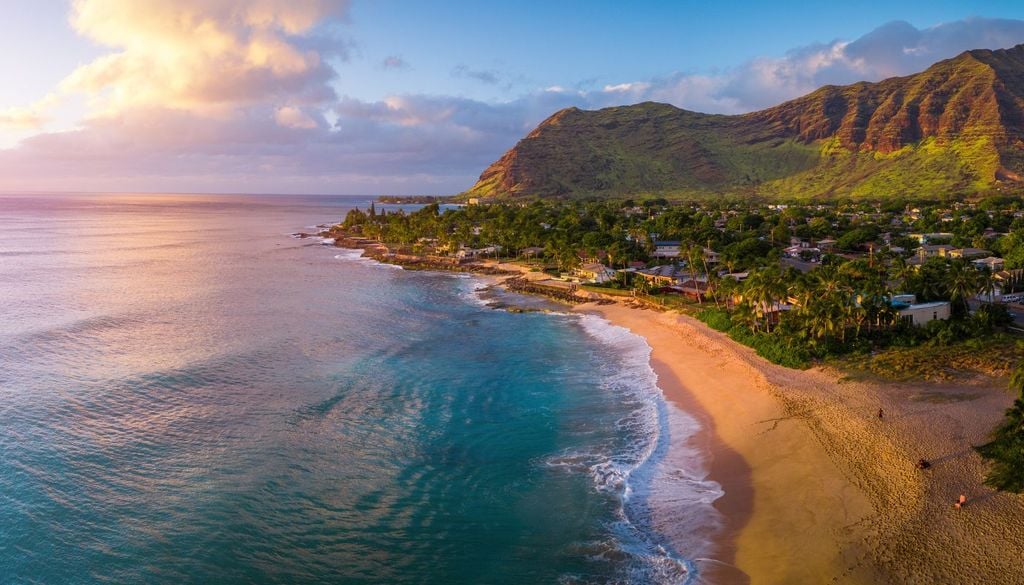
Jason Momoa’s project was launched on the island of Oahu, where four hotels initially adopted the device.
The objective is now to gradually extend this system to other institutions, including schools and offices, before considering its deployment beyond the borders of the Hawaiian archipelago.
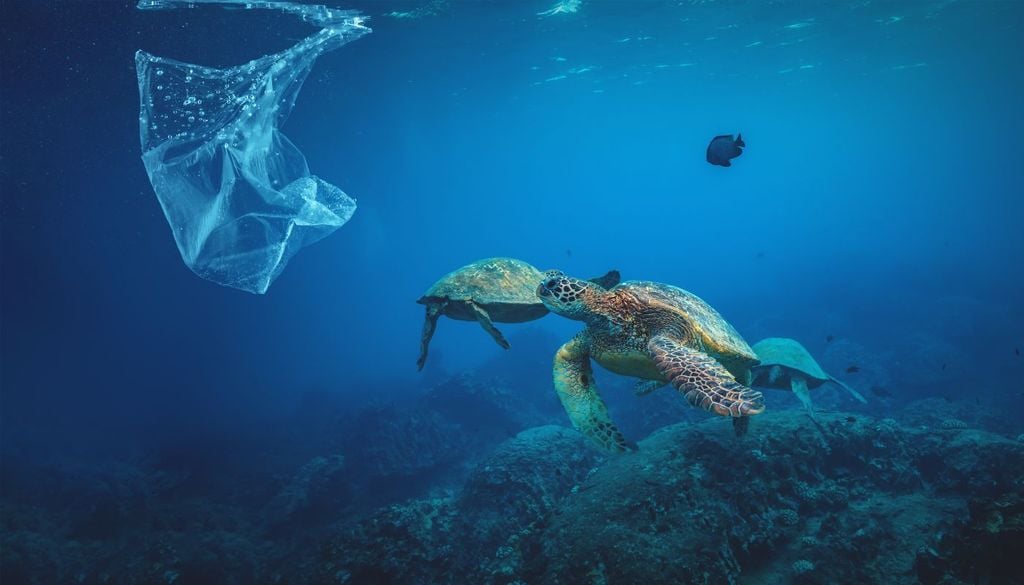
Tackling the problem of plastic bottles at the source, through their reuse, is of particular importance for these beautiful Pacific islands, and not only because of the personal commitment of the project founder. Hawaii is in fact constantly threatened by plastic pollution. Among the coastal states of North America, the archipelago is among the territories most affected by marine pollution.
Due to their geographical location, the Hawaiian Islands are in the heart of ocean currents that transport plastic waste to their shores, sometimes from regions as remote as Asia. This waste poses a threat to marine ecosystems and can even be buried in the sand up to a depth of one meter.
Much of the plastic waste that pollutes Hawaii also comes from the activities of the local population and the large influx of tourists. The archipelago lacks waste recycling infrastructure, while landfills have long been saturated.