According to FAO, fisheries production contributes to the food and nutritional security of Senegalese people at a rate of 29 kg per person per year, representing more than 70% of the population’s animal protein needs.
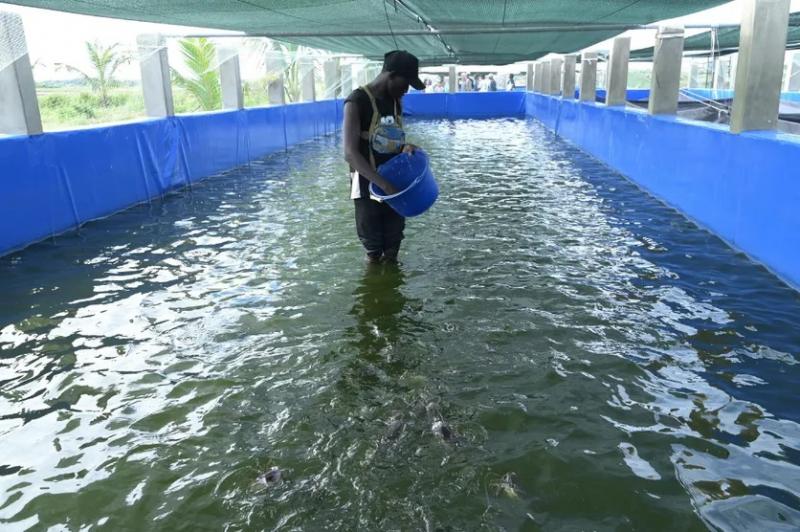
To ensure productivity growth through the securing of investments and the promotion of private sector engagement, a consultative committee for aquaculture has been established. This committee assists the Minister in charge of aquaculture by providing advice on issues related to the sector.
The committee now comprises 20 members, representing 22 state institutions and professional associations. Its role is to advise the Minister on aquaculture resource planning, management of aquaculture resources, standardization of aquaculture facilities, development of aquaculture activities, and the organization of production, processing, and marketing of aquaculture products, among other tasks.
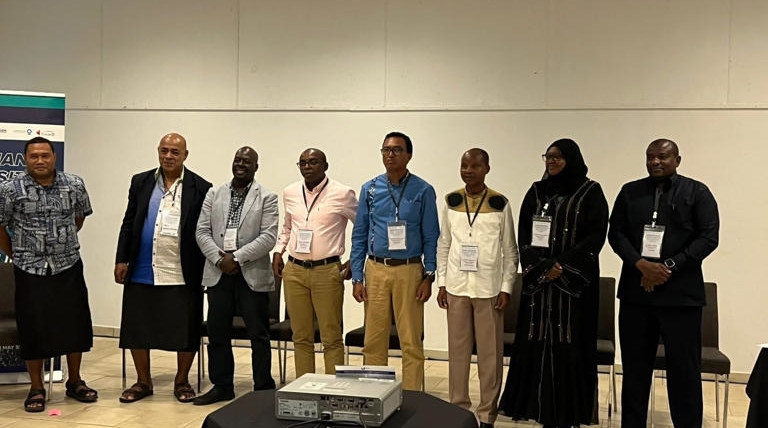
The installation ceremony took place yesterday, Tuesday, in Dakar, in the presence of the Secretary-General of the Ministry of Fisheries and Maritime Economy and the FAO representative. According to participants, the committee guarantees enhanced productivity by securing investments and encouraging private sector involvement.
« As highlighted by various studies and assessments conducted, particularly by FAO, on the state of fishery resources at both international and national levels, aquaculture appears today not only as a complement but also as a credible alternative to address the significant depletion of fishery products, » stated Dr. Mamadou Habibou Diagne, Secretary-General of the Ministry of Fisheries and Maritime Economy. In his view, aquaculture can also significantly contribute to achieving food sovereignty as well as job creation and income generation objectives set by the government.
From the FAO side, the statement by Bintia Stephen Tchicaya, FAO Sub-regional Coordinator for West Africa and Acting FAO Representative in Senegal, read by Dr. Mamadou Ndiaye, emphasized that fisheries production contributes 29 kg per person per year, or more than 70% of the population’s animal protein needs. He also noted that the fisheries sector contributes to foreign exchange earnings: in 2023, it ranked third among Senegal’s exports, just behind oil and gold, representing 10.7% of total export value and significantly supporting the balance of payments.
« Although improvements are possible, the implementation of sanitary measures for fish, crustaceans, and cephalopods in Senegal is considered acceptable, allowing the country to export these products to regional and international markets. This is not the case for shellfish, » remarked Dr. Ndiaye.
He added: “Food safety is a critical foundation for public health, nutrition, agri-food trade, and sustainable development. The Food and Agriculture Organization of the United Nations (FAO) pays particular attention to nutrition and food safety issues.”
Source: Seneplus