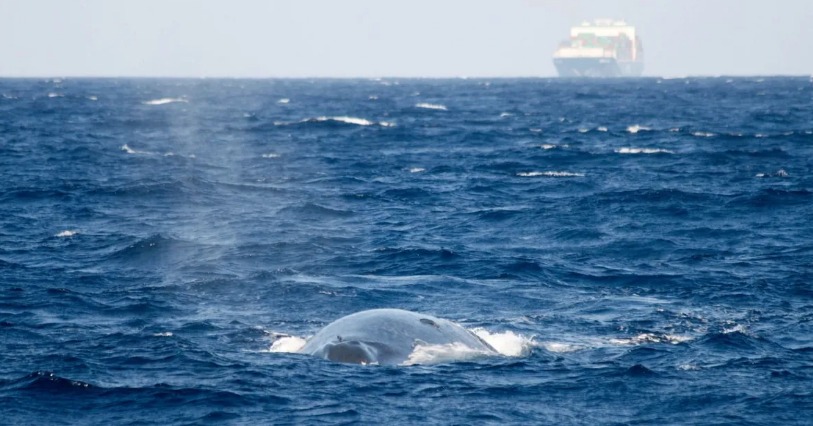
The NGO IFAW, based in Reims for thirty years, works for the protection of wildlife. Initially known for its actions against poaching, it is also dedicated to the protection of the oceans, in particular to the fight against noise pollution due to maritime traffic and collision risks.
Aurore Morin, in charge of marine conservation campaign at IFAW, explains the impact of underwater noise pollution: « Submarine noise pollution is a problem that we are not necessarily aware of, because inevitably it is pollution that takes place underwater ». She emphasizes that hearing is the primary sense for marine animals, essential for communication, orientation, hunting and reproduction. The increase in human activities at sea generates stress, injuries, and even death for these species. This pollution affects a wide range of animals, from plankton to whales. The main sources of this pollution are intense maritime traffic, with thousands of ships crisscrossing the oceans, and construction work at sea, such as wind turbine fields or port developments that sometimes involve explosions.
Solutions and challenges for a quieter ocean
Aurore Morin’s team, in collaboration with partners on site, strives to find solutions. One of the levers identified is the reduction of the speed of ships. According to Aurore Morin, « the reduction of ships speed works a bit like with cars, when you reduce your speed, inevitably you make less noise ». Cavitation, a phenomenon caused by ship propellers, is also a major source of noise. The NGO is in dialogue with shipping companies to make them aware of these solutions. However, competition is a major barrier to the voluntary adoption of these measures. Companies fear losing market share if they slow down their vessels, while their competitors maintain high speed.
Towards international regulation
To overcome this obstacle, IFAW is campaigning for binding international regulations that would force all airlines to reduce their speed. The goal is to limit speed in areas with high concentration of whales and to shift navigation routes to minimize the risk of collisions. Aurore Morin reports encouraging results: sailors, often « sea lovers », gladly accept to change their itineraries, even if it requires individual awareness work. The Reims team conducts lobbying actions by telephone, videoconferences and round tables with European shipowners to convince them to adopt these measures to protect marine fauna. An interview to listen to on this page.