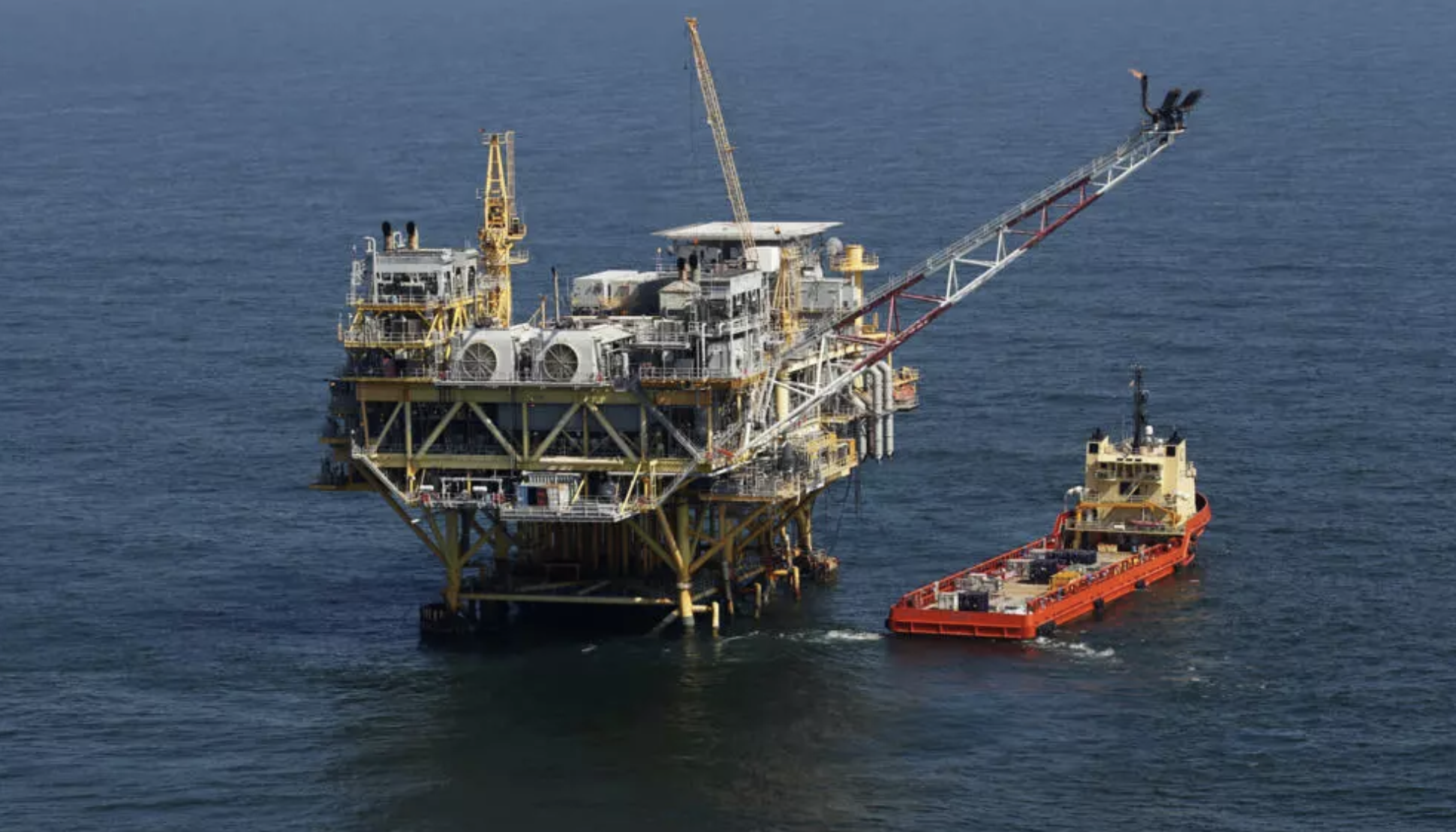
In the United States, this is a measure that was expected and feared by environmentalists. The verdict fell after a quick meeting behind closed doors. The oil and gas sectors will be able to develop their activities in the Gulf of Mexico, in defiance of all environmental laws. The measure was taken by the « God squad », literally the divine team, so nicknamed because it is the only one that can override the legislation concerning the protection of endangered species.
This influential Trump administration committee voted unanimously on Tuesday, March 31 to exempt oil and gas drilling in the Gulf of Mexico – renamed Gulf of America by Trump – from endangered species protection measures (ESA for Endangered Species Act). Nicknamed « God squad » because it somehow holds the power to decide the survival or extinction of a species, the committee adopted this measure at a brief meeting behind closed doors, reports the New York Times. The famous God squad – created in 1978 by Congress – has only met three times in thirty years of existence and its last meeting was in 1992.
Pressure of Pete Hegseth
The six members of the committee – Secretary of the Interior Doug Burgum, Secretary of Agriculture Brooke Rollins, Secretary of the Army Dan Driscoll, the administrator of the Environmental Protection Agency Lee Zeldin, the administrator of the National Oceanic and Atmospheric Administration Neil Jacobs and the acting chairman of the Council of Economic Advisors Pierre Yared – said they were obliged to vote in favor of the exemption because it had been requested by Secretary of Defense Pete Hegseth, reports Reuters.
« We cannot let our own rules weaken our position and strengthen those who wish to harm us, » said Pete Hegseth. That is why, for these reasons, the exemption from the law on endangered species in the Gulf is not only a good idea, it is a crucial issue of national security. » ESA authorizes exemptions if the Secretary of Defense believes they are necessary for reasons of national security, a provision that has never been used so far.
The Trump administration limited physical presence at Tuesday’s meeting, but broadcast the debates live on YouTube. Dozens of environmental activists demonstrated in front of the Ministry of the Interior. While environmentalists have expressed their opposition, others have welcomed the committee’s decision, such as Andrea Woods, spokesman for the American Petroleum Institute, a professional group in the oil and gas sector, which defended the industry’s balance sheet in environmental conservation.
Environmental laws weakened
Already in November, the administration proposed to relax restrictions on drilling, logging and mining in the habitats of endangered species across the country. To justify this radical decision, administration officials said that the protection of threatened species had slowed oil drilling in the Gulf of Mexico. They added that the lifting of these protections would increase national energy supply and strengthen national security in these times of energy supply crisis.
This is the Trump administration’s latest initiative to weaken the law on endangered species, a fundamental text of environmental legislation intended to prevent the extinction of plant and animal species. Among these species, the iconic Rice whale, whose Gulf of Mexico is the only habitat and of which only about fifty copies remain. In 2010, the Deepwater Horizon disaster spilled millions of liters of oil into the Gulf of Mexico, decimating more than 20% of Rice’s whale population. According to federal estimates, there are only about fifty Rice whales left on Earth, and they are only found in the Gulf of Mexico.
source : RFI