

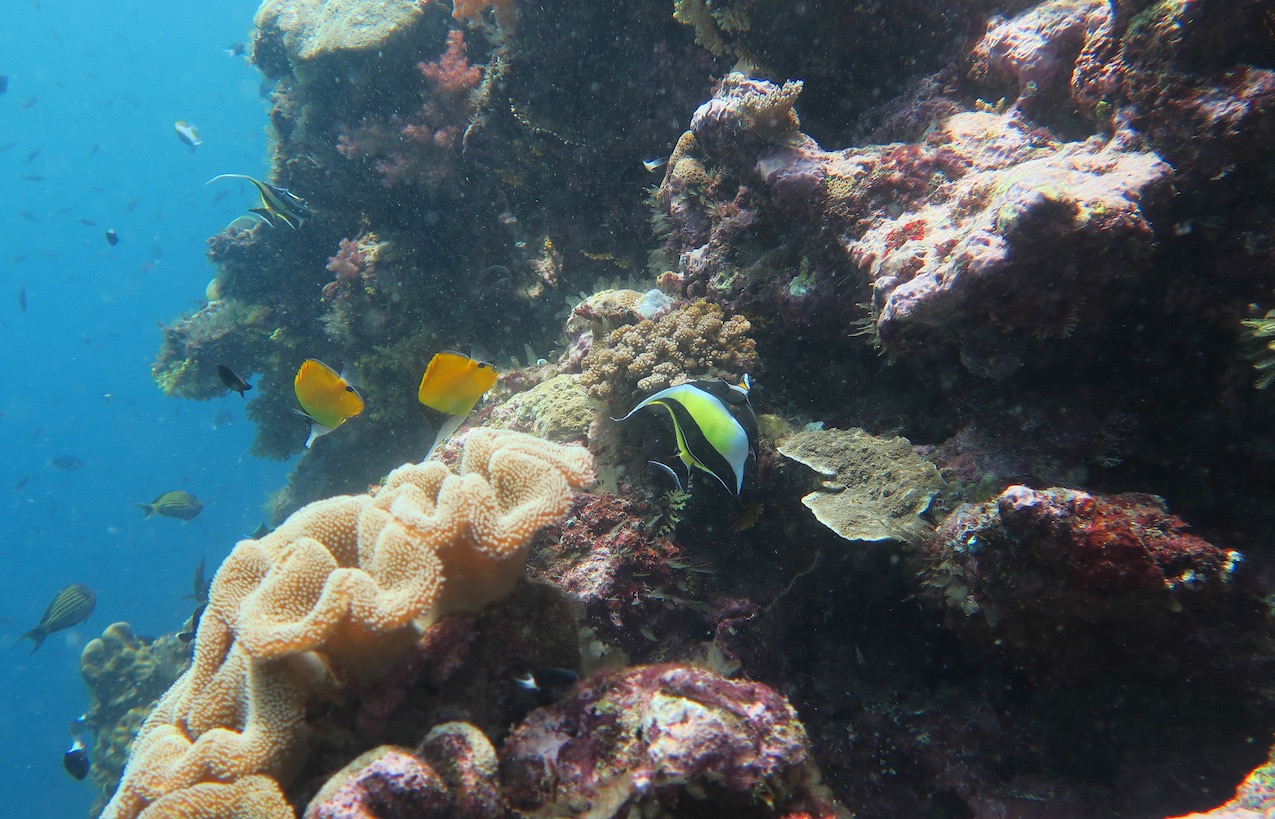
In the face of the acceleration of climate change, coral reefs are among the most threatened ecosystems on the planet. However, some corals seem to be more resistant to rising temperatures. With the Tara Coral expedition, the Tara Ocean Foundation and its scientific partners are conducting an expedition to the heart of the Coral Triangle, one of the largest marine biodiversity hotspots in the world, to understand the mechanisms of this thermotolerance. The results of this study will make it possible to feed a global open access database, and to propose the implementation of strategies for the conservation of corals and their ecosystems.
Understanding the pressurized coral ecosystem
Corals and their environment
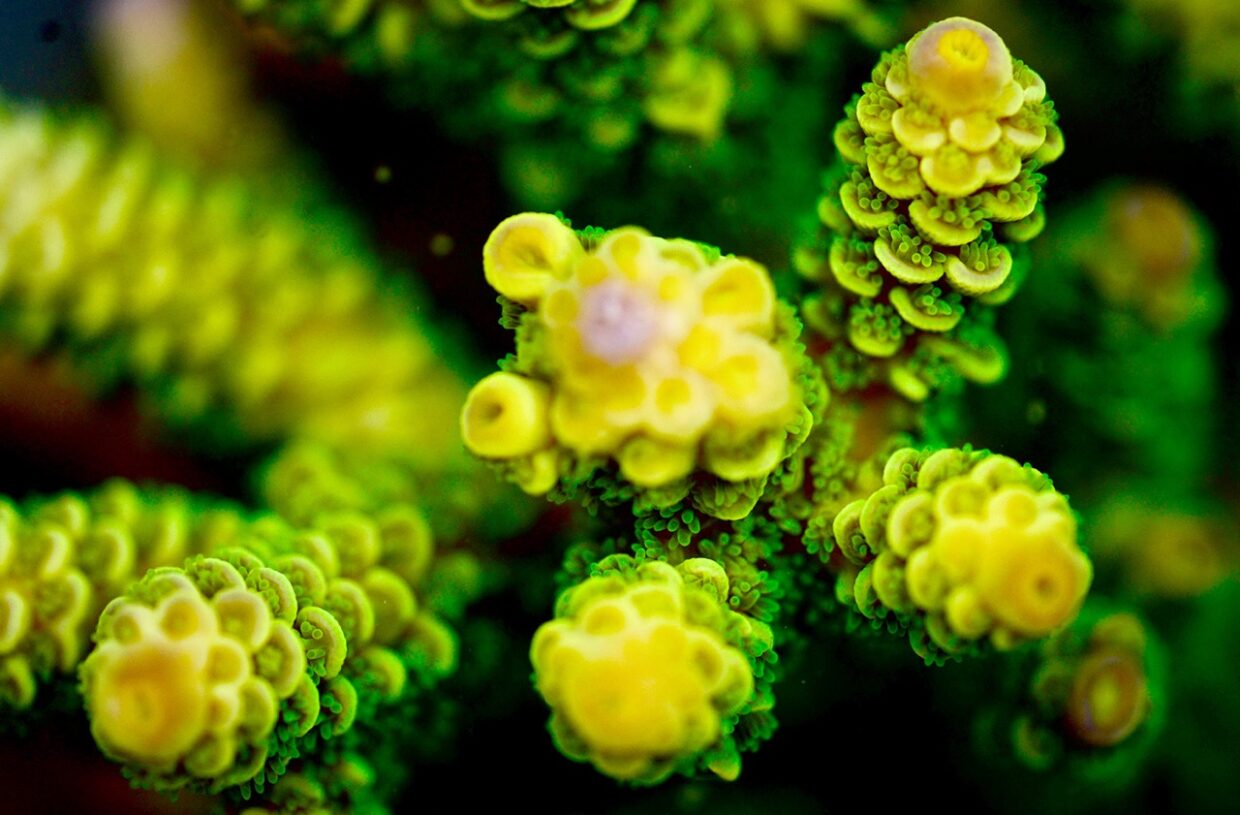
Corals are living organisms made up of thousands of small animals, polyps, which form colonies fixed on their calcareous skeleton. Their survival is based on an essential symbiosis with zooxanthelles, micro-algae that provide them with energy and colors thanks to photosynthesis. Coral reefs are among the most biodiversity-rich ecosystems.
To develop, corals need very specific environmental conditions:
- Clear water,
- a strong brightness,
- stable salinity
- a temperature between 18 °C and 30 °C depending on the species.
The bleaching of corals
Global warming disrupts this fragile balance. An increase of even half a degree in the temperature of the Ocean can break the symbiosis between the coral and its zooxanthelles: the coral then loses its color and its main source of energy. This is called coral bleaching. Weakened, it becomes more vulnerable to diseases and can die if conditions do not quickly become favorable.
Because of this sensitivity, coral reefs are now considered true sentinels of climate change, and these episodes of bleaching are multiplying and increasing globally. Once rare and localized, they now affect the entire Ocean, sometimes only a few years apart, leaving little time for reefs to regenerate.
More than 40% of coral species are threatened with extinction, both by global threats (rise in temperature, ocean acidification, sea level rise) but also local (destructive fishing practices and overfishing, intensive coastal development, land pollution).
The Coral Triangle, a global biodiversity hotspot
Unlike other regions of the world where global warming has led to widespread bleaching of corals, the coral Triangle reefs have retained their coral cover.
The Coral Triangle is an extraordinary natural laboratory for identifying resilience mechanisms.
Paola Furla, Scientific Director, Côte-d’Azur University
These observations in the Coral Triangle underline a reality that is still poorly understood: some corals resist thermal stress better than others, without understanding why or how. It is precisely to lift these shadow areas and better anticipate the future of the reefs that the Tara Coral expedition was designed.
The Tara Coral Expedition: Studying Coral Resistance
Why do some corals resist? Scientific issues at the heart of Tara Coral
10 years after the departure of Tara Pacific, the Tara gonet leaves for 18 months in the Coral Triangle to understand why and how some corals resist global warming, and shed light on future conservation strategies.
One of the peculiarities of the Tara Coral expedition lies in its global scientific approach that brings together different scientific expertise: diver, oceanographer, marine biologist, eDNA specialist, bio-computer scientist, microbiologist, photogrammetry specialist, microplastic specialist, paleoclimatologist, biochemist and many others.
The expedition mobilizes 67 scientists, from more than 40 international partners, including 11 local institutions, and is based on an exceptional field effort:
- 26 stopovers,
- 1,440 scientific dives
- more than 30 protocols.
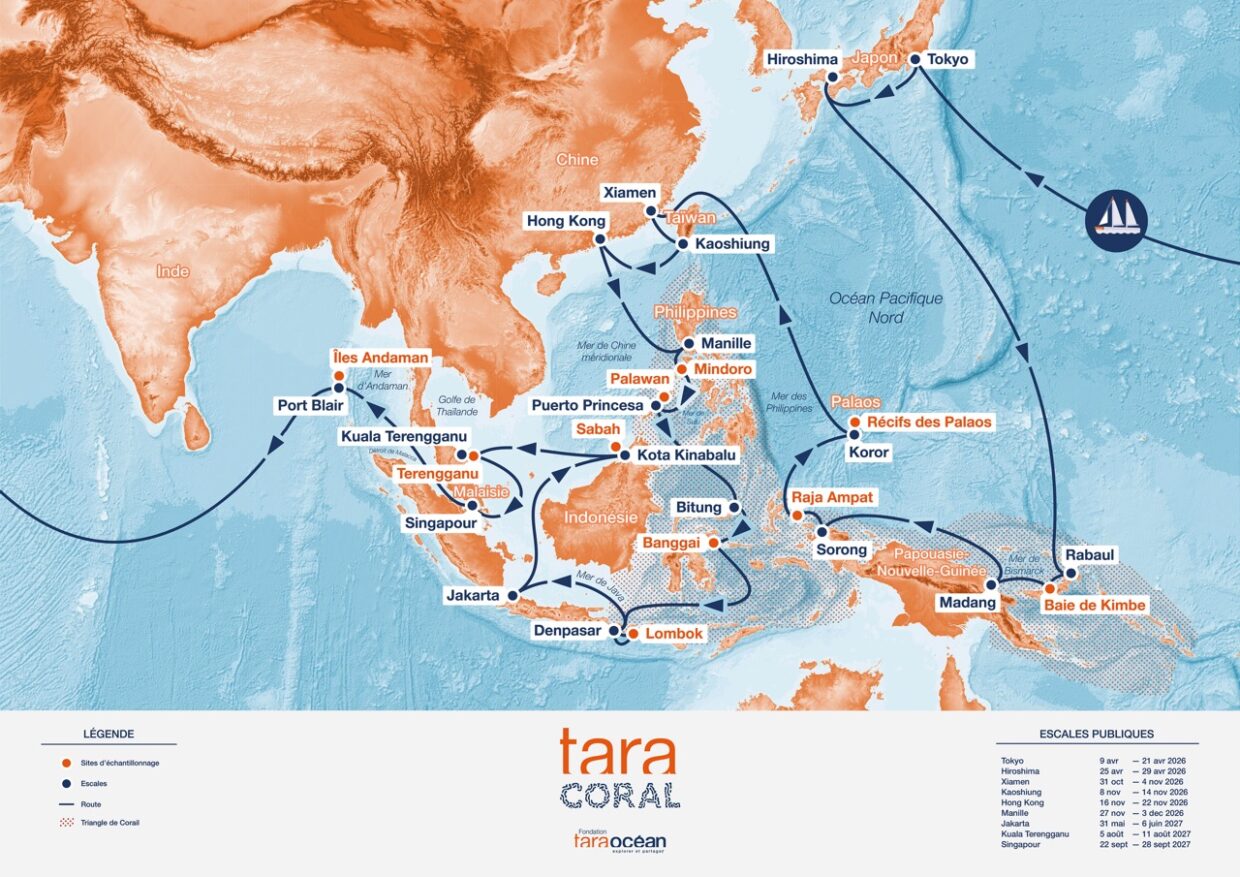
Tara will remain 35 days on each of the 10 planned sampling sites and the scientific teams will adopt a global approach to the ecosystem and focus on 4 types of corals: acropores, millepores, porites and pocillopora. A global approach is essential to understand which species exist, how they adapt and interact with each other and with their environment.
“The Tara Coral expedition wants to unrecover the secret of global warming-resistant corals in the Coral Triangle. Their past exposure to thermal stress, the effect of internal waves, their genetics, their symbiotes, their microbiome, their diversity and their way of organizing together: so many avenues that the expedition will explore to understand what protects the reefs.”
Serge Planes, Scientific Director, CNRS Research Director
Why this expedition is essential today
The Tara Coral expedition implements innovative protocols such as photogrammetry, environmental DNA sampling or thermal stress tests, to collect detailed and standardized data. This information will be made accessible to all via an open science database, allowing researchers to conduct studies and develop global and adapted conservation strategies.
Understanding coral thermotolerance and reef resilience in the Coral Triangle area will help guide reef protection measures, which are vital to marine biodiversity and for the millions of people who depend on it.
“The Tara Coral expedition is unique because of the combination of its scientific scope, methodological standardization, geographical orientation and integration between disciplines and partners. Now is the time to act to understand, preserve, and strengthen the resilience of coral reefs.”
From knowledge to action
Beyond the production of scientific knowledge, the data from the Tara Coral expedition are intended to feed the action. Made accessible in open science, they will allow researchers around the world to deepen the study of coral thermotolerance, but also to support advocacy for ambitious conservation policies. An important place will be given to conservation issues by working alongside governments and local actors to identify and protect these reefs most resistant to global warming as a priority.
The Tara Ocean Foundation will organize several « science-to-policy » workshops on the occasion of Tara Coral stopovers, and will actively participate in international summits working for the conservation of coral reefs.
Each of the Tara Ocean Foundation’s expeditions is opportunities to challenge society, to create innovative tools to reach new audiences, to share the emotion of discovery. On board the gonet, on-board correspondents, scientists, local actors and artists in residence tell the story of the expedition over the stops. The « Science-Society » sharing will revolve around two key awareness tools: a traveling exhibition dedicated to the Tara Coral expedition and a scientific mediation tool focused on the global importance of coral ecosystems. They will be developed in collaboration with local actors to ensure cultural relevance, inclusiveness and sustainable use.
Finally, the expedition invites everyone to follow the adventure in real time through videos, logbooks and educational content broadcast on social networks and platforms of the Tara Ocean Foundation, especially on YouTube. A way to extend the scientific mission and to mobilize citizens, decision-makers and future generations around the protection of coral reefs.
source : fondation tara ocean

