

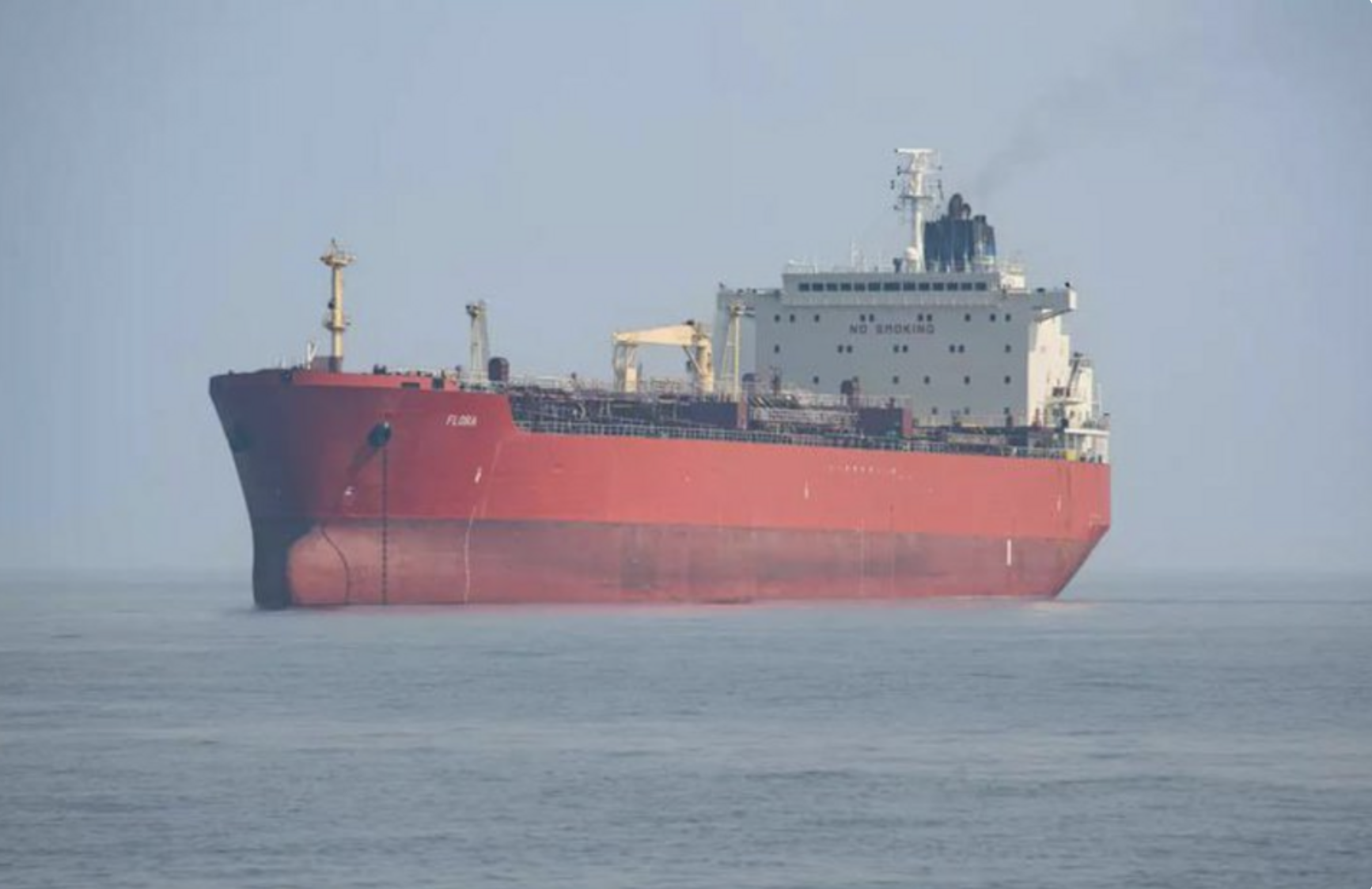
The worsening conflict in the Middle East forces large international shipping companies to change their trade routes, now favoring routes bypassing the African continent. However, this option, considered more secure, results in significantly higher logistics costs.
The Strait of Hormuz, a strategic passage connecting the Persian Gulf to the Gulf of Oman, is an essential link in world energy trade, ensuring nearly 30% of daily oil flows. Iran, which controls the north shore, had recently mentioned the possibility of restricting access to international navigation.
Following the strikes carried out by the United States and Israel against Iranian targets over the weekend – and reprisals by Tehran – this maritime corridor, one of the busiest on the planet, is experiencing significant disruptions.
In a context of military escalation, Iran announced on Sunday the closure of the Strait of Hormuz to international maritime traffic. This decision obliges shipowners to temporarily use alternative routes, especially those along the African coast, pending a possible easing of tensions.
To avoid the dangers associated with the passage through the Gulf of Aden and the Red Sea, oil tankers are now favoring the longer route of the Cape of Bonne-Espérance, off South Africa, in order to transport their cargo to international markets. This detour extends delivery times and increases operating costs, thus contributing to the recent increase in crude oil prices.
Several large maritime transport groups, such as Maersk, CMA CGM and Hapag-Lloyd, have announced the temporary suspension of their transits via the Strait of Ormuz and the reorganization of their operations to the South African road.
At the same time, oil prices rose sharply, while stock markets fell, against a background of fear of an expanded regional conflict between Israel – supported by the United States – and Iran around the Iranian nuclear issue.
On Monday, American and Israeli strikes continued against targets in Iran, while Tehran retaliated with attacks on Israeli, American, British and Arab interests in the Gulf States.
source : apanews

