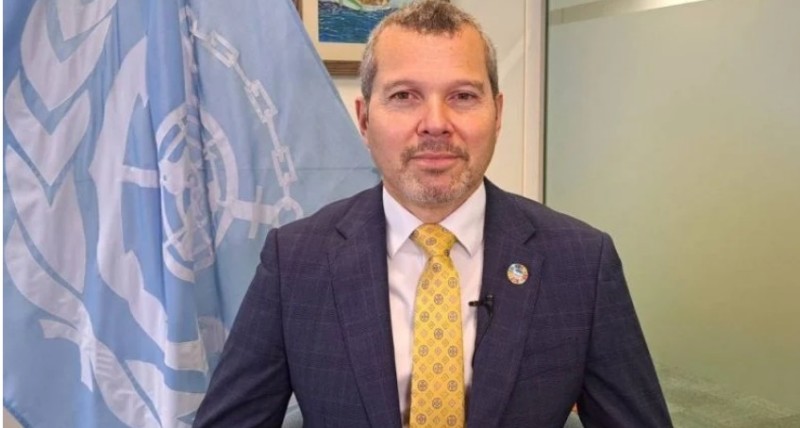
Meeting in Geneva, representatives from 156 countries appointed Chilean diplomat Julio Cordano to take over stalled negotiations on a future global treaty to combat plastic pollution, under the auspices of the United Nations. After two unsuccessful negotiation cycles and deep divisions between producing states and countries calling for binding measures, global climate diplomacy is seeking a new way out of the deadlock on one of the most explosive environmental issues of the moment: a global treaty against plastic pollution.
A former chief climate negotiator for Chile at a UN summit, Cordano was chosen on Saturday after lengthy talks, ahead of candidates backed by Senegal and Pakistan.
“Plastic pollution is a planetary problem that concerns us all,” he said after his election, calling for swift collective action. “If we do not act in a coordinated manner, it will worsen significantly in the decades to come. There is therefore an urgent need for a treaty.”
The diplomat advocates a “more effective” working method based on “flexibility” and “pragmatism” in order to bridge positions that have so far proven irreconcilable.
Massive Production and Fault Lines
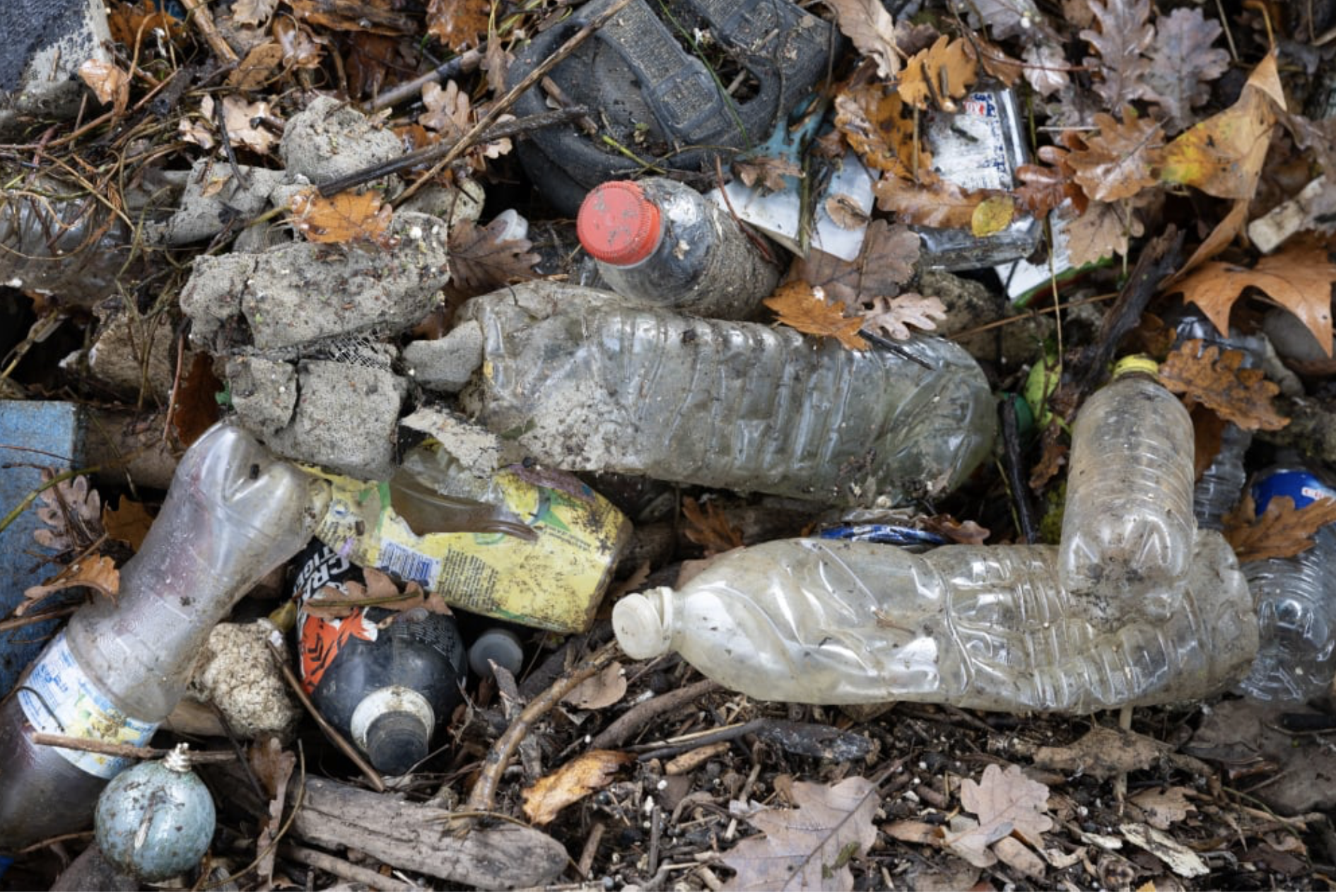
More than 400 million tonnes of plastic are produced worldwide each year, half of which is intended for single-use products. Microplastics have been detected on mountain peaks as well as in the deepest ocean trenches.
A large group of states is pushing for structural measures, including a reduction in global production, while some hydrocarbon-producing countries favor an approach focused on waste management—a sensitive issue for many small island nations already overwhelmed by plastic waste.
A resolution adopted in March 2022 officially launched work toward a legally binding instrument. However, discussions held in 2024 in Busan ended in failure, as did the resumption of talks in Geneva last summer. The previous chief negotiator, Ecuadorian diplomat Luis Vayas Valdivieso, eventually resigned in October.
Saturday’s announcement prompted mixed reactions among non-governmental organizations. At the Fondation Tara Océan, Henri Bourgeois-Costa said the vote “confirms that countries opposed to the treaty are in a very small minority.” The executive director of the IPEN, Bjorn Beeler, struck a more forceful tone: “The way is now clear to tackle the global plastics crisis that is poisoning our planet and our bodies.” By contrast, the Fondation Gallifrey warned of delaying tactics by certain producing states. Its spokesperson, Laurianne Trimoulla, accused those countries of seeking to “delay or sabotage” the talks.
No date has yet been set for a new round of negotiations. Panamanian delegate Kirving Lanas Ramos nevertheless urged the parties to move forward: “It is time to get to work (…) with new approaches and new strategies to finally begin more constructive discussions.”
source : la tribune