The sustainable development of fisheries in Can Tho aims to balance the exploitation of fishery resources, aquaculture, and environmental protection, within a framework of green growth and international responsibility. More specifically, reducing coastal fishing, promoting advanced aquaculture, strengthening the value chain, and complying with international regulations on combating illegal, unreported, and unregulated (IUU) fishing are the key objectives and priorities of the Can Tho sustainable fisheries development project for the coming period.
Many potentials
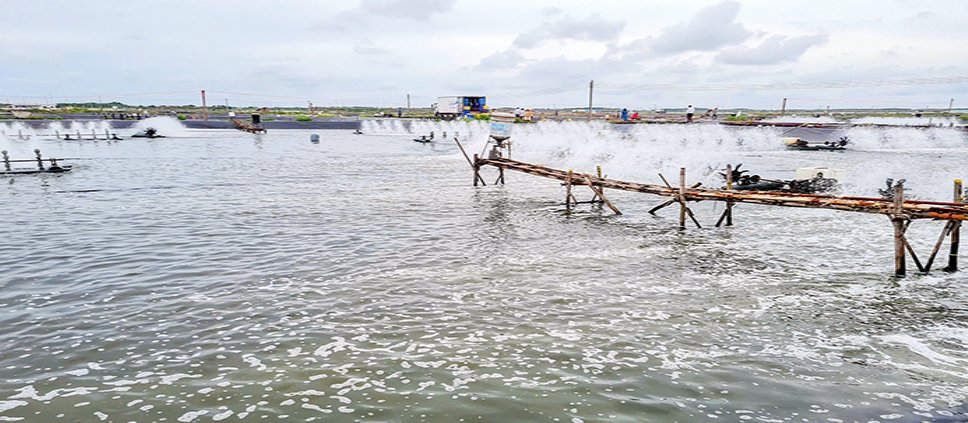
The city of Can Tho and the entire Mekong Delta boast a dense network of rivers and canals, home to 322 species of fish that breed and thrive there. This rich and diverse natural aquatic resource presents considerable potential for aquaculture and the socio -economic development of the region. In Can Tho, by 2025, the area dedicated to aquaculture will reach 97,080 hectares, exceeding the established targets; total production of aquatic and marine products will exceed 705,958 tons, an increase of 17,086 tons compared to 2024.
According to the Department of Agriculture and Environment (DARD) of Can Tho City, to achieve the desired results, DARD implemented numerous actions to support the development of the fisheries sector. These included: intensive environmental monitoring at 48 sites, with four inspections per month and the collection of over 980 water samples; the organization of 20 training sessions on environmental protection in aquaculture; the broadcast of two specialized agricultural extension workshops on television; coordination with relevant departments for forecasting hydrological conditions in the region, resulting in the production of 14 bulletins; and the collection, monitoring, and updating of samples in fish and shrimp farming areas. Weekly monitoring information was also disseminated through the department’s online portal, Zalo, SMS, and other media. The rapid dissemination of alerts made it possible to establish recommendations, reduce risks and improve the efficiency of aquaculture operations.
In order to develop safe and sustainable aquaculture in the future, the city of Can Tho has implemented the Sustainable Aquaculture Development Project (financed by a loan from the International Bank for Reconstruction and Development, part of the World Bank Group) with the aim of investing in infrastructure, improving the efficiency of aquaculture operations and farming, strengthening management capacities and increasing the value of aquaculture products; thereby contributing to promoting sustainable growth, adapting to climate change, improving the living conditions of people and deepening international integration.
Mr. Nguyen Tan Nhon, Deputy Director of the Can Tho City Department of Agriculture and Environment, stated: “This project includes investments in transportation and construction infrastructure to support aquaculture and seafood processing, particularly in the localities of Cu Lao Dung, Tran De, My Xuyen, and Vinh Chau. It encompasses new construction and upgrades, covering a total length of over 73.7 km. The project also includes the simultaneous construction and upgrade of storm shelters for fishing vessels; the implementation of incentives to support and improve the efficiency of seafood processing and reduce post-harvest losses; and the upgrading and completion of aquaculture infrastructure.” The construction of infrastructure and the provision of equipment to ethnic minority populations working in aquaculture and seafood processing, thereby contributing to the effective and sustainable protection of marine resources, increased incomes, and stabilized livelihoods; the strengthening of management capacities and production organization for the effective prevention and control of illegal, unreported, and unregulated (IUU) fishing and the sustainable management of aquatic resources. It aims to reduce post-harvest losses, minimize epidemics, improve the productivity, quality, and value of farmed shrimp, ensure food safety and hygiene, protect the environment, and adapt to climate change.
Coordinate efforts to accelerate the project’s progress.
The Can Tho City Sustainable Fisheries Development Project has a total budget of VND 992.3 billion, or US$42.8 million. Of this amount, VND 713.7 billion, or US$30.79 million, is a loan from the International Bank for Reconstruction and Development (IBRD), representing 71.9% of the total capital. Counterpart financing from the local budget amounts to VND 269.8 billion, or US$11.63 million, representing 27.2% of the total capital. Public contributions total VND 8.8 billion, or US$0.38 million, representing 0.9% of the total capital.
To date, the Can Tho City Sustainable Fisheries Development Project has seen its socio-environmental policies approved; loan agreements reviewed and negotiated; contractor selection plans approved; compensation and resettlement plan frameworks approved; and tenders opened and contracts signed for the implementation of 11 lots prior to the design phase last March. By the end of 2026, the Can Tho City Department of Agriculture and Environment will continue to finalize implementation procedures, while also developing a disbursement plan for the 2026 investment plan and coordinating with local communities on land clearing, resettlement, and progress monitoring of the lots following contract award.
Mr. Nguyen Tan Nhon added: “City leaders are very concerned and are giving precise instructions to the relevant agencies to coordinate and accelerate the project’s progress. The Ministry of Agriculture and Environment has established a project management committee, which has strengthened specialized services to promote the project’s implementation in accordance with the established plan…”.
During a meeting with the city of Can Tho regarding the progress of the Sustainable Fisheries Development Project, Mr. Christophe Crepin, Director of the Environment Division for Northeast Asia and the Pacific at the World Bank, stated that this project is of major environmental importance and contributes to climate change adaptation, while also creating new momentum for economic development in rural areas. The simultaneous implementation of irrigation infrastructure and adapted livelihood models will enable communities to stabilize their production, increase their incomes, and minimize the risk of disasters. In the context of the numerous challenges posed by climate change to the Mekong Delta region, the cooperation between the city of Can Tho and the World Bank is considered an important step in strengthening the region’s resilience. Thanks to the favorable progress of preparations and the firm commitment of local authorities, the project should soon finalize the procedures necessary for its signing and implementation, thus contributing to the building of a sustainable and climate-resilient agricultural and fisheries sector for the city of Can Tho.
source : Vietnam