Increased maritime traffic around the Cape of Good Hope offers South Africa a rare strategic opportunity to regain its role in global maritime trade, but analysts warn that structural weaknesses in its ports may limit its ability to capitalize on this increase.
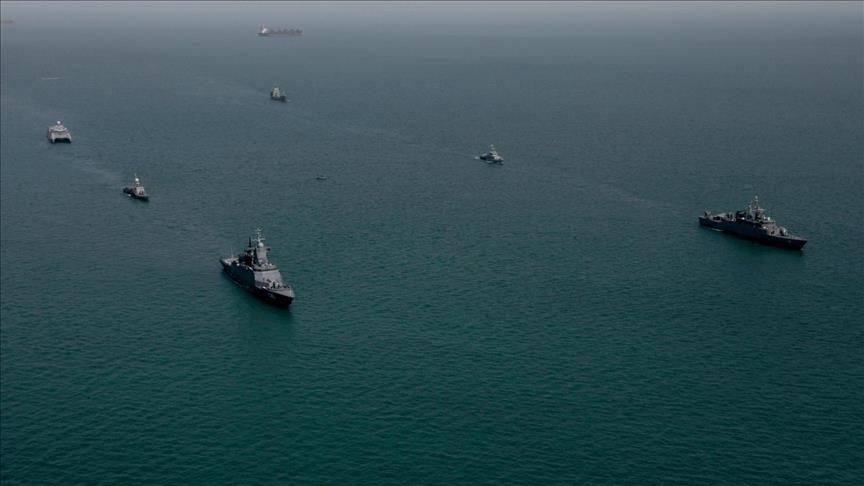
The diversion of ships, after the effective closure of the Strait of Hormuz following the joint US and Israeli attacks against Iran on February 28 and Tehran’s response, has forced maritime traffic to move away from traditional routes towards southern Africa.
Some of the world’s largest shipping companies, including Maersk, Hapag-Lloyd and CMA CGM, have chosen to bypass the cape rather than go through the Suez Canal for safety reasons, transforming this route into a vital artery of international trade.
According to the Cape Town Chamber of Commerce and Industry, the Cape of Good Hope saw a 112% increase in ship hijackings during the first week of March.
While this increase offers the opportunity to reshape global shipping routes beyond the current conflict, the performance of South African ports has deteriorated in recent years, complicating efforts to position the country as a reliable maritime hub.
An opportunity confronted with reality
Francois Vrey, professor emeritus at Stellenbosch University, explains that around 70 to 80 ships pass through the cape daily, in addition to diverted traffic, but warns that the country is struggling to take full advantage of this increase.
Many ships are currently bypassing South African ports due to the perception of poor service, but Vrey points out that the country can reposition itself as a safe and efficient stopover for global maritime trade.
The South African ports of Cape Town, Durban and Ngqura are among the worst performing in the world, ranking 391st, 398th and 404th out of 405 in the World Bank’s Container Port Performance Index.
Historically the main African hub for fuel supply, South Africa has seen its average monthly volume fall from 130,000 tonnes in 2023 to around 80,000 tonnes in 2024, according to PwC.
Longer waiting times in ports and difficult weather conditions have also prompted some ships to favour alternative hubs such as Walvis Bay in Namibia or Port Louis in Mauritius in recent years.
Vrey notes that some South African ports cannot operate at full capacity due to mismanagement and outdated infrastructure. Weather conditions, such as strong winds and rough seas, also make the Cape route particularly vulnerable.
However, he believes that the current crisis in the Middle East, disrupting maritime trade, should be transformed into an opportunity for South African and African ports to become reliable hubs in times of stability as well as crisis.
Government action
South Africa is working on contingency plans to reverse this trend, while parliament is moving forward with legislation to reform port infrastructure and give more autonomy to Transnet National Ports Authority.
These reforms should pave the way for partnerships with the private sector in port terminals.
Transnet National Ports Authority told Anadolu that six ships hijacked since February 28 have been refueled and resupplied in three ports.
The authority adds that the diverted ships are being closely monitored and that efforts are being made to efficiently use existing port capacity to meet demand.
It also specifies that it operates a complementary port system allowing for the redeployment of maritime resources and fleet capacity as needed during periods of high demand.
source : Afrique Afrique