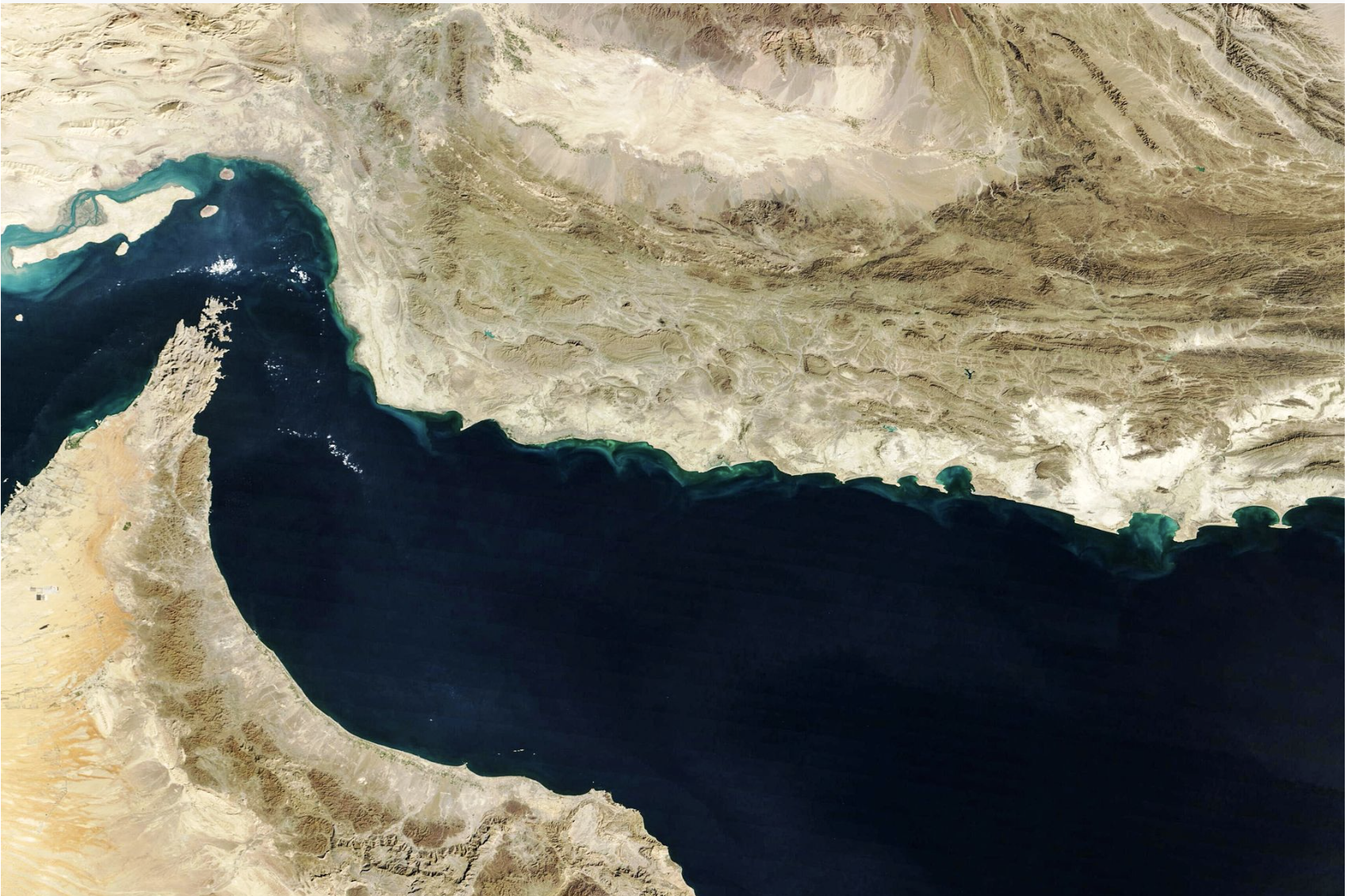
Cosmetics, food, pharmaceuticals, automobiles or precious marbles: the blockade of the Strait of Hormuz is an « unprecedented freeze » of world maritime trade, which weighs mainly on petroleum products, but threatens many other industrial sectors.
How important is the Strait of Hormuz for world trade in goods?
This route mainly allows the export of oil and gas products from the Gulf countries. The Strait is a key crossing point for the oil trade. A quarter of the world’s oil and a fifth of the liquefied natural gas transit there.
But access to the Strait of Ormuz is not essential on the Asia-Europe highway, because the road ends in a cul-de-sac on the outskirts of Kuwait, Iraq and Iran, analysts point out.
On the other hand, the passage of the strait is essential for regional trade since it allows goods to arrive at the port of Dubai, Jebel Ali, the world’s 10th largest container port, and a redistribution hub for more than a dozen countries in the region.
In Jebel Ali, the containers are unloaded on smaller boats bound for countries ranging from East Africa to India, says Anne-Sophie Fribourg, vice-president of the TLF union, which brings together all freight forwarders in France, i.e. intermediaries between exporters/importers and shipowners.
Has the strait already been closed to maritime traffic?
There has never been a closure. Even during the Gulf War, « there was never a total stop of trade » via the Strait of Hormuz, say several experts. During the Iran-Iraq war between 1980 and 1988, there were oil tanker attacks, but the commercial passage was maintained, notes Paul Tourret, director of the French Higher Institute of Maritime Economics.
The current « freeze » of transit in Ormuz is « unprecedented », adds Cyrille Poirier-Coutansais, director of the research department at the Navy’s Center for Strategic Studies in France.
Because since the beginning of the strikes on Iran, the largest shipowners, the Italian-Swiss MSC, the Danish Maersk, the French CMA CGM, the German Hapag Lloyd and the Chinese Cosco have ordered their boats to no longer move and take shelter.
On the Marine Traffic map, where you can follow the course and progress of boats around the world, you can discern « groups of boats », especially oil tankers, stopped in the far north near Kuwait, but also near Dubai, as well as the presence of the Iranian merchant fleet in front of the Iranian port of Bandar Abbas on the other side of the strait.
Several other separate groups of parked boats are visible just before the entrance to the Strait of Hormuz, details Mr. Tourret.
Which goods pass through Ormuz?
Cars, machines, industrial products from Germany. From France, it is mainly cereals and agricultural products, cosmetics, luxury and pharmaceutical products. Italy exports agri-food, a lot of marble and ceramics, and the Netherlands exports agri-food, says Anne-Sophie Fribourg of TLF.
In the export direction, in addition to oil and gas products, from which fertilizers and plastics are derived, the Middle East accounts for 9% of the world’s production of primary aluminum, almost all of which is exported, according to TD Commodities.
Will route changes extend transportation times or increase costs?
Several e-commerce platforms have warned their customers that delivery times would be extended, from a few days at Temu and Shein to about ten days at Amazon, according to Bloomberg.
Freight prices are already rising, in particular due to additional costs imposed by shipowners for deliveries in the region.
For the Europe-Asia link, the boats no longer use the Red Sea and the Suez Canal because of fears related to the resumption of attacks by Houthis, allies of Iran. It takes about ten more days of sea passing through the Cape of Good Hope, at the end of South Africa, and an additional cost of about 30%.
source : ici beyrouth