
Damascus (SANA) The blue economy is of particular importance to Mediterranean countries, especially Syria , which benefits from a strategic maritime location and promising potential in this area.
This sustainable economic model aims to harness ocean, marine and coastal resources to stimulate economic growth, improve living conditions and create jobs, while preserving the health of the marine ecosystem.
The Mediterranean Sea is a key region for this type of economy, given its biodiversity and its geographical location linking three continents.
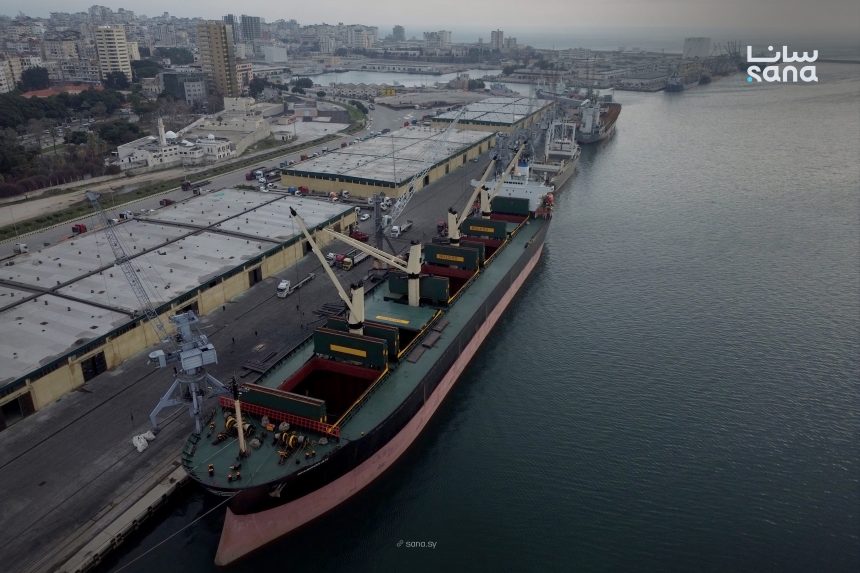
Syria has a coastline of over 180 km, as well as important ports in Latakia and Tartus, which offers considerable opportunities to develop maritime fishing, aquaculture and tourism.
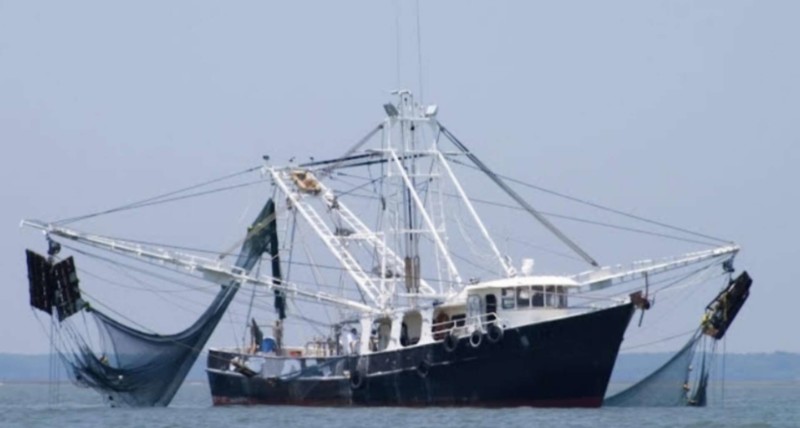
The Director General of the General Authority for Fisheries Resources and Aquatic Life, attached to the Syrian Ministry of Agriculture, Iyad Khadrou, revealed in a statement to SANA that fish production in Syria, from the beginning of the year until March, reached approximately 30,421 tons, distributed as follows: 3,500 tons from sea fishing, 400 tons from marine aquaculture, 10,500 tons from freshwater aquaculture, 21 tons from state-run freshwater fish farms and 16,000 tons from private freshwater fish farms.
The average annual fish production is between 20,000 and 25,000 tonnes, with the potential to double thanks to the modernization of fishing fleets and the development of aquaculture.
Khadrou explained that despite these volumes, current production does not fully cover the country’s needs, making it necessary to implement expansion plans to increase production capacity.
He indicated that the authorities have conducted studies and developed a strategic plan aimed at increasing production to 225,000 tonnes of various fish species by 2035, which would allow for per capita consumption comparable to the world average.
The ports of Latakia and Tartus receive more than 80% of total fish exports, making them a key component of any national blue economy strategy.
Promising sectors and the role of technology
The blue economy encompasses a wide range of activities, including fishing and aquaculture, maritime transport, ports, coastal tourism, marine renewable energy, and logistics. According to the European Commission’s 2025 report, the value added of blue economy sectors in the EU reached €263 billion in 2023, while the sector generated approximately 4.88 million direct jobs.
Globally, the OECD estimates that the blue economy represents about 2.5% of global GDP and generates 30 million jobs, a figure expected to exceed 40 million by 2030.
In this context, the Food and Agriculture Organization of the United Nations (FAO) has stressed that integrating innovation with marine sustainability is a fundamental pillar for promoting economic growth and creating quality jobs, particularly in coastal communities.
The FAO also highlights the importance of modern technologies such as artificial intelligence, drones and other detection systems for improving marine resource management.
Regional cooperation: a key element of development
Cooperation between Mediterranean countries is essential for supporting the blue economy.
The Conference of the Parties to the Convention on the Protection of the Mediterranean Environment (COP24), held in Cairo in 2025, focused on the protection of the marine environment, the exchange of expertise and the promotion of sustainable development.
Furthermore, last February, the Secretary General of the Gulf Cooperation Council, Jassem Al-Bedaiwi, stressed the importance of marine renewable energy and desalination to promote sustainable growth, and recalled the ongoing work on a unified Gulf strategy to support the blue economy and develop its resources.
The experiences of Morocco, Egypt and Turkey constitute models of success from which Syria can benefit, whether by developing multifunctional ports, expanding aquaculture or integrating coastal tourism with the protection of the marine environment.
Existing challenges and the need for governance
Despite its considerable potential, the blue economy in Syria and the region faces several challenges, including marine pollution, climate change, overfishing, and a lack of investment in maritime infrastructure. The absence of a modern legislative framework governing maritime investment also poses a significant obstacle to attracting capital.
In this context, economists believe that integrating national policies with regional initiatives is the best way to overcome challenges and strengthen the role of countries in maritime trade and services, stressing that the development of the blue economy requires strengthening institutional capacities and directing investments towards high value-added sectors.
Future prospects
Forecasts indicate that the blue economy will become a key pillar of economic growth in Syria in the coming years.
Syria has the opportunity to transform its coastline into a regional economic hub through port development, modernization of maritime legislation, creation of specialized research centers and the launch of dedicated coastal economic zones.
Experts emphasize that sustainable investment, technological innovation and regional cooperation can make the blue economy a strategic pillar of growth and economic prosperity for Syria and the Mediterranean region.
source : Agence Arabe Syrienne de Presse SANA