
Nocturnal artificial light modifies biological balances long considered untouchable. In some coastal sharks, it alters hormonal secretions related to natural cycles, revealing an unsuspected vulnerability. This disruption raises major ecological issues on the health of marine ecosystems near densely urbanized areas.
Millions of artificial lights illuminate the urban coasts around the world every night. However, their impact on marine fauna remains largely underestimated. By modifying the natural cycles of darkness, this light pollution influences the behaviors, migrations and physiology of many species. For the first time, a team of researchers from the University of Miami, affiliated with the Rosenstiel School of Marine, Atmospheric, and Earth Science, measured the effect of this light on melatonin levels in two species of wild sharks.
Published in the journal Science of The Total Environment, their study reveals that these marine predators, although far from the surface, are not immune from hormonal disturbances caused by coastal urban lighting. These results raise the question of the invisible, but real, biological consequences of human infrastructure on coastal marine life.
A first hormonal analysis in wild sharks
The effects of artificial light pollution have long been studied in birds, insects or marine mammals. On the other hand, cartilaginous fish such as sharks remained largely absent from physiological research on melatonin. The study conducted by Abigail M. Tinari, Mr. Danielle McDonald and their colleagues at the University of Miami fills this gap. It provides the first nocturnal hormonal assays on wild sharks.
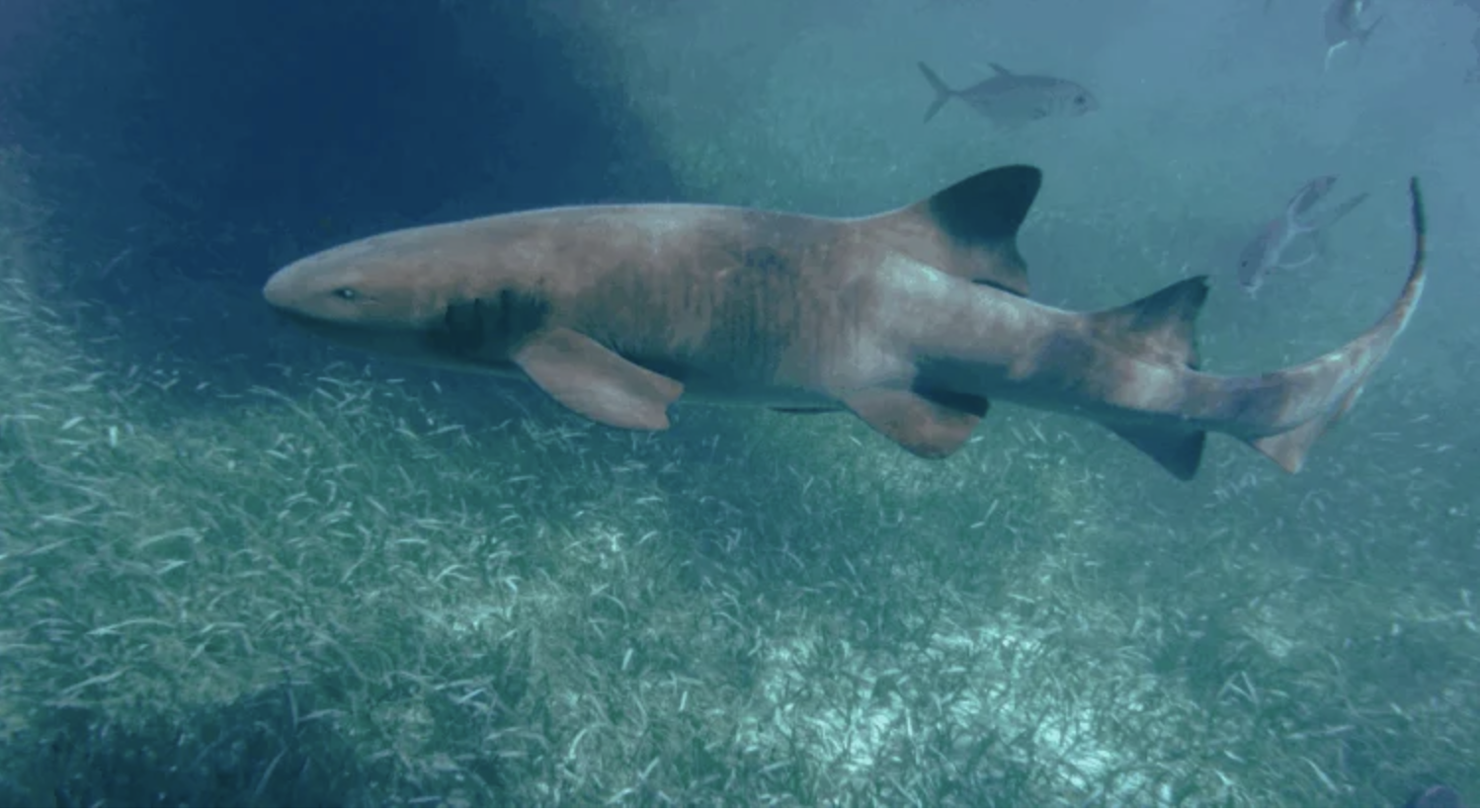
The team focused on two common species on the Florida coast: the nurse shark (Ginglymostoma cirratum) and the black tip shark (Carcharhinus limbatus). These species frequent coastal areas where artificial light remains intense and constant.
The researchers took blood samples at night from 60 specimens, captured in areas with low and high light exposure. The analyses made it possible to accurately measure the levels of melatonin, the key hormone regulating circadian rhythms. The results vary greatly by species and location.
In nursing sharks, nocturnal melatonin concentrations range from 24.6 to 425.2 pg/mL. For black spikes, they range from 27.4 to 628.7 pg/mL. These values, never documented before, make it possible to define a reference hormonal range for sharks.
These assays also provide a better understanding of the impact of the light environment on hormone production in these marine predators. « This is the first quantification of melatonin in sharks in a natural environment, » recalls Abigail Tinari in a statement.
An ubiquitous artificial light in coastal areas
In urbanized coastal environments, artificial light is not limited to streetlights. It spreads underwater by reflection and diffusion. This phenomenon, called artificial light at Night (ALAN), profoundly changes marine habitats near cities, as explained by Océans Connectés.
According to researchers, some densely populated coastal areas have illumination levels up to 20 times higher than those in nearby rural areas. In Miami, for example, the light intensity measured at night in shallow waters regularly exceeds 1 lux, the equivalent of a permanent dusk. This level is sufficient to disrupt dark-sensitive photoreceptor receivers.
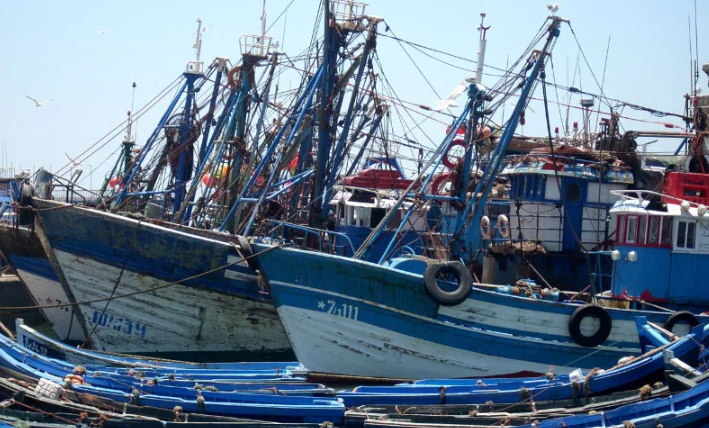
The study shows that artificial light reaches coastal marine ecosystems over several hundred meters, directly affecting the species that reside there. The areas tested by the researchers covered two types of sites. On the one hand, bays strongly illuminated by urban infrastructures (ports, coastal roads, marinas). On the other hand, more distant natural areas, poorly exposed to night light.
This contrast makes it possible to evaluate the specific impact of anthropogenic lighting on the biology of sharks. It appears that sharks caught in highly illuminated areas have lower melatonin levels in some species.
This constant exposure interferes with the natural perception of the day-night cycle, which is essential for the synchronization of internal biological functions. Night light thus acts as a chronic environmental stressor for organisms living near urbanized areas. « The light can be as disruptive as chemical contaminants, » says Neil Hammerschlag, co-author.
Different physiological responses depending on the species
The study reveals a marked difference in sensitivity between the two species analyzed. Less mobile and often sedentary, nursing sharks show significant suppression of nocturnal melatonin when they live in illuminated areas. Conversely, black-pointed sharks, which are very active and mobile, do not show a comparable decline.
This contrast suggests that the spatial behavior of species influences their hormonal vulnerability to artificial light. Nurse sharks spend long periods of time in shallow shelters, close to human infrastructure. This constant exposure to a bright environment prevents them from reaching a normal melatonin peak.
Blackhead sharks, on the other hand, make wide nocturnal movements. Their transit between different lighting zones could limit the duration of light exposure and preserve their hormonal cycle. This behavior acts as a buffer mechanism against the effects of ALAN.
These results suggest that some marine species are more vulnerable than others to anthropogenic changes in the environment. This paves the way for differentiated risk assessments according to the ecological habits of each species. « The hormonal response depends strongly on the behavior of each species, » confirms Danielle McDonald.
source : science et vie