
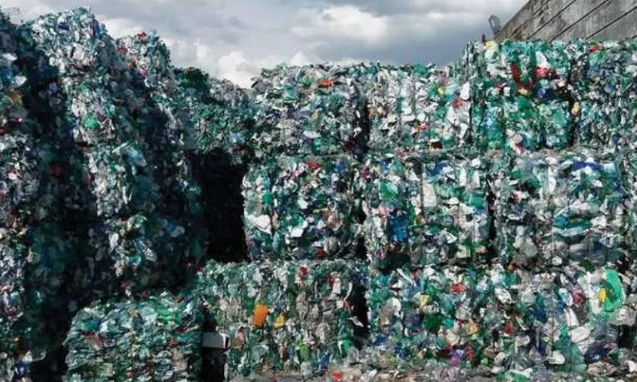
Tunisia produces about 3.1 million tons of waste every year. Among these volumes, plastic represents nearly 12%, while compostable and recoverable organic materials make up about 70%, said Awatef Larbi, in charge of the management of the Directorate-General for the Environment and Quality of Life.
Speaking on the radio, the manager revealed the main lines of the national strategy for the ecological transition. Recommending an intensification of reduction efforts at the source, this roadmap is based on five strategic pillars. It encompasses governance and financing, the fight against climate change, the preservation of natural resources, biodiversity and forests, the transition to sustainable consumption and production patterns, the fight against pollution, and the promotion of environmental culture.
She particularly stressed the urgency of installing selective sorting of sources in order to maximize the recovery of materials, reduce pollution and accelerate the country’s transformation towards a more virtuous economic model.
In order to support this dynamic, Awatef Larbi also announced the launch, in partnership with the banking sector, of a financing line dedicated to supporting investments in the circular economy.


