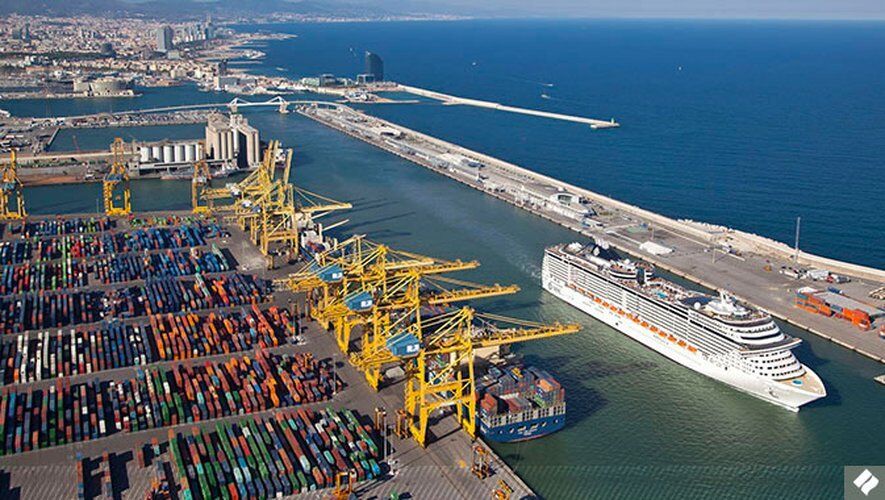
From May 6 to July 12, a large-scale public consultation is organized around the BarMar project, a major energy infrastructure aimed at connecting Barcelona to Fos-sur-Mer via an underwater pipeline dedicated to the transport of renewable hydrogen. This initiative is part of a broader European dynamic, at the crossroads of climate, industrial and energy issues.
The consultation will begin in Gruissan, this Wednesday, May 6. So what is the purpose of this BarMar project? First, it wants to respond to two strategic priorities for Europe: reduce carbon emissions from industry and strengthen the continent’s energy sovereignty. Already used in many industrial processes, renewable hydrogen is called upon to play a central role in the development of cleaner industrial sectors, especially in the steel industry, chemistry or heavy transport.
BarMar is an essential link in the H2med corridor, a vast hydrogen transport network designed to connect Portugal, Spain, France and Germany. By facilitating the exchange of decarbonized energy between these countries, this corridor will help to structure a true European hydrogen economy.
A large-scale infrastructure
The BarMar pipeline, one meter in diameter, will extend over about 400 kilometers of canalization under the Mediterranean Sea. It will be able to transport up to 2 million tons of hydrogen per year, a significant volume that reflects the ambition of the project. The route currently proposed is located at a depth of between 50 and 120 meters, at a distance from the French coast, in order to limit impacts on coastal areas and sensitive ecosystems.
In the interest of transparency and citizen participation, a broad public consultation is organized. It is under the aegis of the National Commission for Public Debate (CNDP), with the support of three independent guarantors responsible for ensuring the quality and impartiality of exchanges.
The public is invited to inform themselves and contribute in several ways: in person: through 25 meetings organized on the Mediterranean coast, from the Spanish border to Marseille (public meetings, commented visits, conferences-debates); remotely thanks to webinars and meetings broadcast live, accessible in particular via Zoom. In writing via an online participation platform or paper registers available at the town hall. Three public meetings broadcast simultaneously online are scheduled: May 6 at 6 p.m., opening, in Gruissan; June 17, in Canet-en-Roussillon; July 6, in Fos-sur-Mer. Note that the day after the public opening meeting in Gruissan, on May 7, two round tables will deepen the geopolitical and technical issues of the project.
All practical information, presentation documents and terms of participation are available on the official project website.