
Benefiting from a budget of 30 million euros, the project aims to modernize the production, but also the processing and distribution, of fishery and aquaculture products, with the creation of four regional poles.
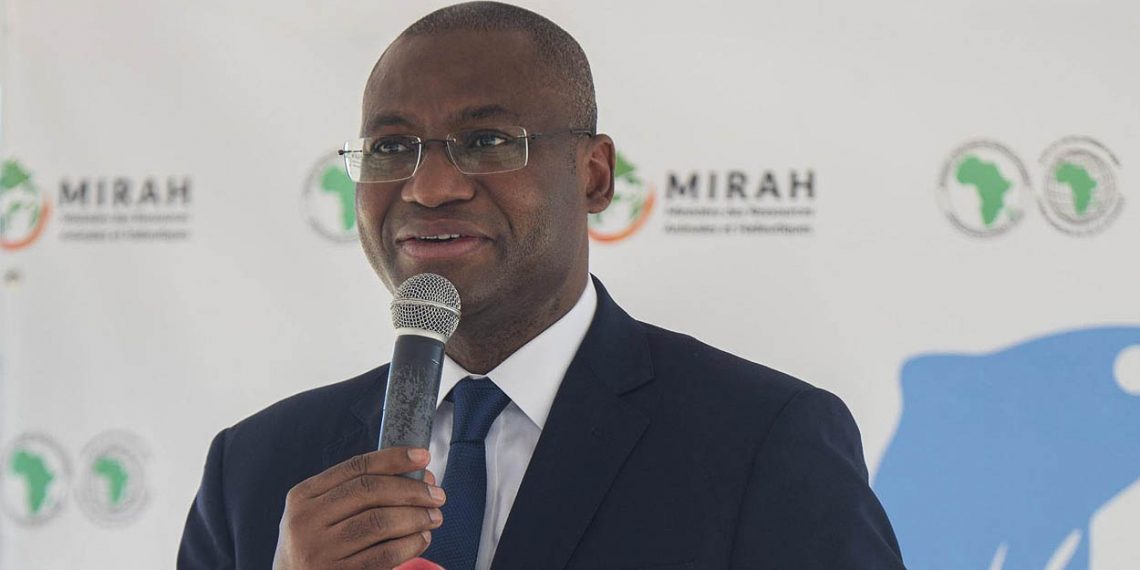
A boost for the fisheries and aquaculture sector in Côte d’Ivoire… this is the objective of the Project for the Development of Competitive Value Chains of Aquaculture and Sustainable Fisheries (ProDeCAP), officially launched by the Minister of Animal Resources and Fisheries (MIRAH), Sidi Tiémoko Touré, in San Pedro on March 26. The program is to be conducted in partnership with the FAO and the African Development Bank. Its total cost is estimated at 19 billion FCFA (about 30 million euros), financed largely by a sovereign loan from the African Development Bank. In this sense, Côte d’Ivoire and the AfDB concluded a loan agreement of €24.6 million, or 16.158 billion FCFA, on December 18, 2024. Like other similar plans in the region, for example in Benin, the key objective is to develop domestic production in a context where the country imports no less than 80% of its consumption. While Côte d’Ivoire is the leading tuna producer in West Africa, it is a matter of making better use of the 566 km of maritime coastline but also of inland water bodies (lagoons, dams, lakes, rivers and rivers…) and to strengthen the value chains downstream.
The program will have four main components. The first is on sustainable fisheries management, starting with a better understanding of stocks, flotillas and production, in order to adapt fishing effort to sustainable levels for small and large-scale commercial fisheries. The fight against illegal fishing is also among the priority actions. It should be noted that the FAO’s technical intervention will focus on strengthening the scientific bases necessary for sustainable fisheries management, including the assessment of fish stocks in lagoons and lakes, with a view to guiding public policies and preventing overexploitation. The second component aims at the development of aquaculture through conventional measures in cooperation with private actors and demonstration farms. This includes increasing breeder stocks, setting up additional hatchings, strengthening commercial production of fry and feeding tools, with a focus on taking into account the certification standards for falevins and food. Component 3 aims to strengthen value chains by making better use of fisheries and local production during the mareyage and processing stages. This approach will require better differentiation of products and, in terms of materials, the rehabilitation of storage and distribution infrastructures. As such, the ProDeCAP plans to develop four regional integrated production and trade poles, called « Haliopôles » (San-Pedro, Centre, Centre-Ouest and Sud-Comoé). Capacity development actions within public officials or actors in the sector are included in the program of these three components. Finally, component 4 relates to the management, financing and coordination of the project. As part of the AfDB loan, the pan-African financial institution is piloting a series of public tenders on the various components of the program. According to the authorities, the project should impact the living conditions of about 700,000 people, most of them women.
source : classe export