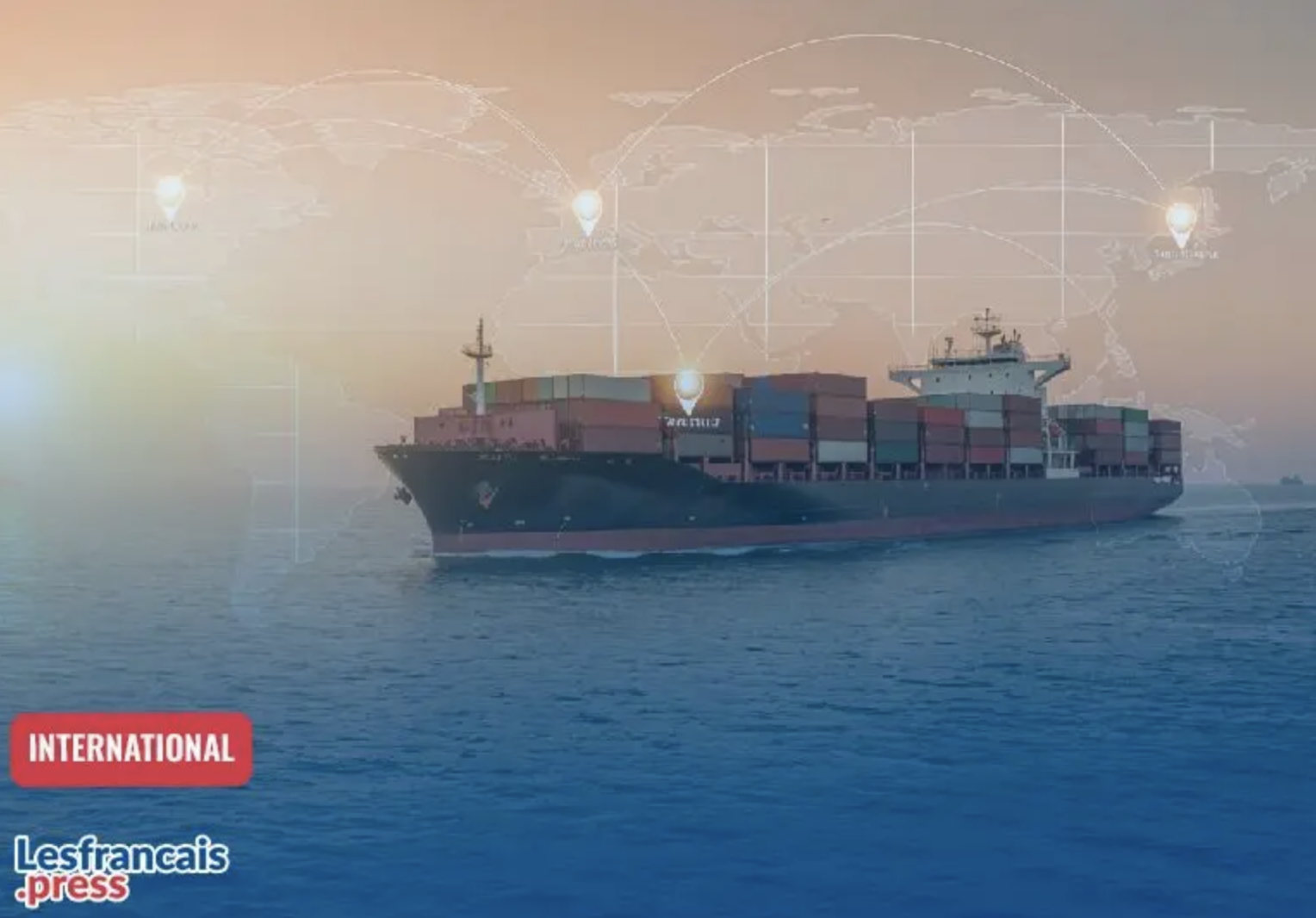
Freedom of movement at sea is one of the founding principles of the contemporary international economic order. Inherited to the doctrine of the mare liberum formulated in the 17th century, it was gradually codified by international law, in particular through the United Nations Convention on the Law of the Sea. This text enshrines freedom of navigation on international seas and organizes rights of way in strategic straits such as that of Hormuz.
For several years, geopolitical tensions have called this freedom into question, transforming certain maritime crossing points into areas of strategic friction, even blockage, as currently demonstrated by the Strait of Hormuz. According to The Economist, nearly 60% of world shipping trade passes through a dozen bottlenecks, the « choke points ». This concentration increases the risk of rupture in the event of a geopolitical crisis, accident or environmental constraint.
The Strait of Hormuz: a fifth of the oil taken hostage
About 20% of the oil consumed in the world passes through the Strait of Hormuz every day, or between 17 and 20 million barrels. In addition, almost 25% of the world trade in liquefied natural gas (LNG) is added. Its blockage since the end of February has caused an oil shock of an extent unknown since 1979. Depending on the statements of the protagonists, the price of oil can vary by more than 10% in a few hours. This unprecedented volatility reflects the strategic importance of the Strait.
The Suez Canal: a fragile canal
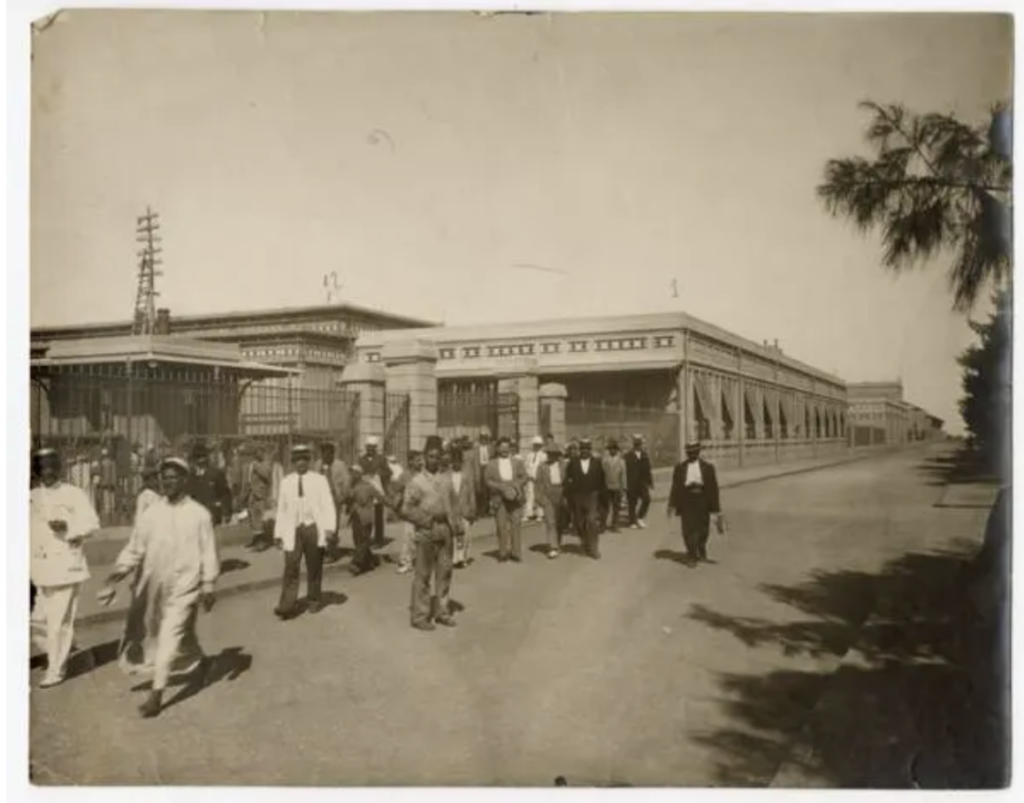
The Suez Canal, through which about 12% of world trade passes, illustrated the logistical fragility of supply chains with the stranding of the Ever Given in 2021. An interruption of a few days was enough to permanently disorganize world trade and promote price increases, even before the outbreak of the war in Ukraine.
The Suez Canal is part of a maritime continuum passing through the Red Sea and the Bab el-Mandeb Strait. However, for several years, this area has been affected by attacks by the Houthis (Ansar Allah), a Yemeni rebel movement supported by Iran.
Their strategy aims to disrupt maritime flows by targeting ships linked, more or far, to Western or Israeli interests, in the context of the conflict in the Middle East.
Several dozen incidents have been identified, involving container ships, oil tankers or bulk ships. Some attacks have caused fires, serious damage, and even road abandonments. Faced with this threat, the United States has set up Operation Prosperity Guardian, designed to secure Red Sea navigation by naval escorts and missile and drone interceptions. Despite this, a significant part of the traffic was diverted to the Cape of Good Hope, leading to an increase in freight costs and maritime insurance premiums. In addition, delivery times have lengthened, disrupting global supply chains.
The Strait of Gibraltar: a discreet but essential lock
The Strait of Gibraltar, a crossing between the Atlantic and the Mediterranean, sees a considerable part of the energy flows transit to Europe. If it appears relatively stable today, it is an essential crossing point. Any tension affecting the eastern Mediterranean or the Suez Canal is reflected mechanically in Gibraltar, which then becomes a point of congestion.
The Black Sea and the Turkish straits: traffic under control
The Black Sea, a semi-closed space, is directly dependent on the Turkish straits (Bosphorus and Dardanelles) for its access to the Mediterranean and therefore to world trade. This system of narrow passages is a major chokepoint.
Since the war between Russia and Ukraine, freedom of navigation in the Black Sea has been profoundly altered. Ukrainian ports have been partially blocked, trade routes disrupted and cereal exports, essential for many countries in Africa and the Middle East, are subject to strong uncertainties.
In this context, Turkey plays a central role. Under the 1936 Montreux Convention, it can restrict the passage of military ships in the Bosphorus and the Dardanelles This regulatory capacity gives Ankara a major strategic lever, transforming these straits into an instrument of international policy.
The Panama Canal or the return of the Monroe Doctrine
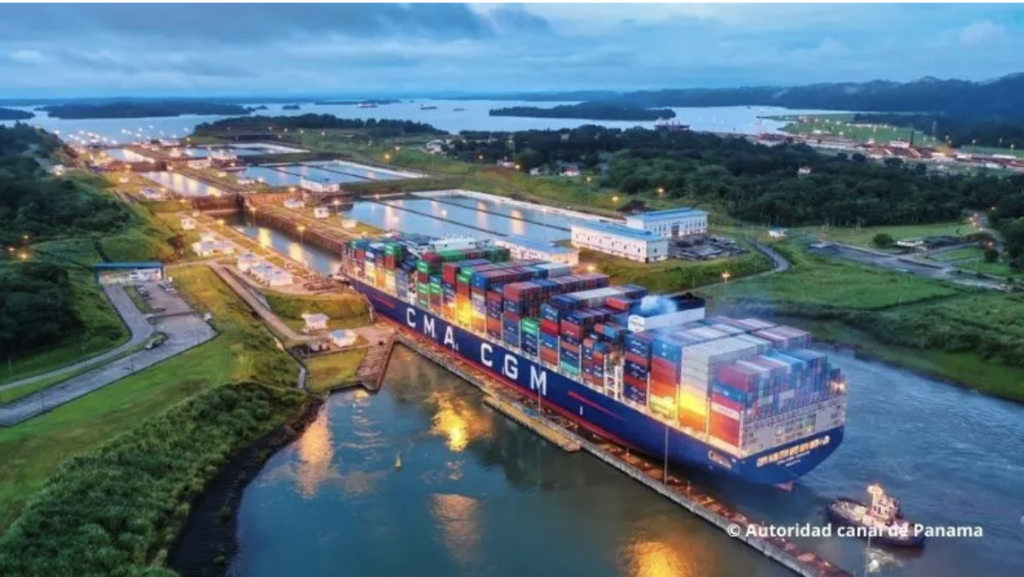
The Panama Canal, a key infrastructure connecting the Atlantic and Pacific, has once again become a major strategic issue. In recent years, the United States has increased its vigilance to counter the Chinese presence. The Hong Kong group Hutchison Ports, present on the Balboa and Cristóbal terminals since the late 1990s, had its concessions extended until the middle of the 21st century.
This presence is part of a broader framework: Panama’s accession, in 2017, to the initiative of the « New Silk Roads » marked a diplomatic turning point, to the detriment of Taiwan. Donald Trump considers this development detrimental to American interests, evoking the possibility of « taking over the channel » if necessary.
He also claimed preferential conditions, or even a tariff exemption, for American ships, while leaving the hypothesis of a sustainable military redeployment hooing. Its positions are contrary to the legal principles governing the channel, based on neutrality and equal treatment between flags. Faced with US positions, Panama has distanced itself from the Chinese initiative by announcing its withdrawal from the BIS in order to avoid any interpretation of strategic alignment.
The Chinese Sea is increasingly Chinese
In the South China Sea, China’s rise in power is accompanied by a growing challenge to freedom of navigation. Beijing claims almost all of this area, through which nearly 30% of world maritime trade passes. The « freedom of navigation » operations carried out by the United States reflect a confrontation around maritime law.
The Strait of Malacca: Asia’s vital artery under surveillance
The Strait of Malacca is the main maritime corridor between the Indian Ocean and the Pacific. Each year, more than 90,000 ships transit there, carrying almost a third of world trade and an essential share of East Asia’s energy supplies. China, Japan and South Korea are critically dependent on it for their oil imports from the Middle East.
Beijing regularly evokes the « Malacca dilemma’, i.e. its dependence on a controllable passage by opposing powers. In the event of a crisis, a simple tightening of navigation conditions or a security incident would be enough to disrupt all Asian industrial supply chains. Piracy, although contained, and naval rivalries in the area maintain a latent tension.
The Taiwan Strait: a global systemic risk
The Taiwan Strait is now one of the most sensitive points on the planet, in particular because of its role in the supply of semiconductors. A disruption to navigation would affect all global technological value chains. Chinese demonstrations of military force illustrate a rise in tensions that directly weakens the principle of freedom of navigation.
source : lesfrancais.press