
Weaknesses that are tolerated for too long become structural. In Tunisia, the port issue falls into this category: known, documented, but rarely treated to match its challenges. However, in an economy focused on exports and dependent on its imports, logistical fluidity is not a luxury. It is rather a condition of survival.
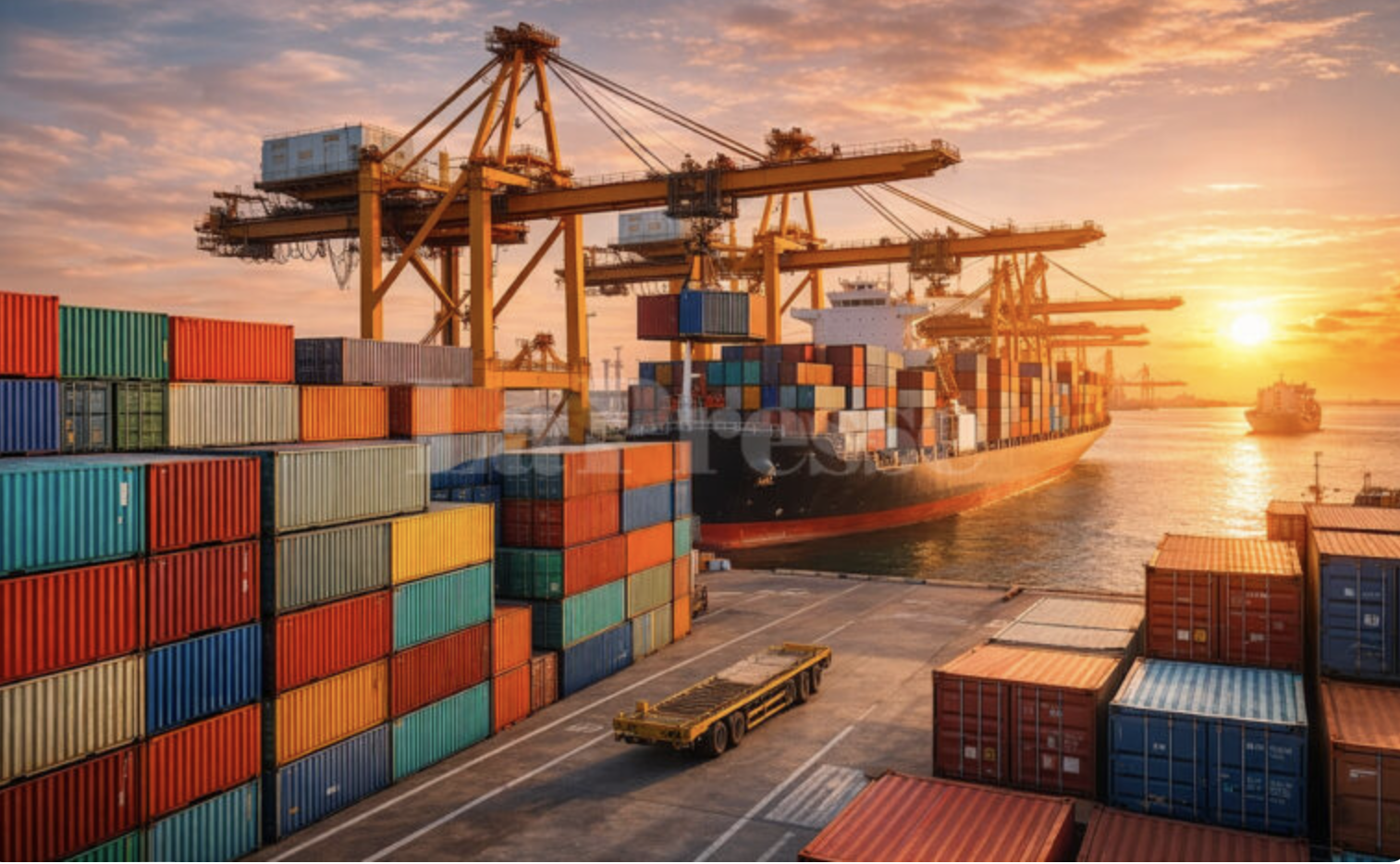
La Presse – In the quays of Radès as in other infrastructures of the country, time sometimes seems suspended. Unloading times are getting longer, containers are accumulating and economic operators are getting impatient. What, elsewhere, is a well-oiled mechanic becomes here a test of endurance.
The cost is twofold: financial, of course, but also reputational. Because in international trade, reliability is as valuable a currency as currency.
Competitiveness at stake
As delays set in, additional costs multiply. Parking fees, penalties, immobilization of goods – all expenses that end up weighing on the competitiveness of Tunisian companies. Some adapt, others bypass, some give up. « In the long run, it is the attractiveness of the country that is eroding, silently but surely, » laments expert economist Mondher Rahali. The Tunisian paradox is there: an enviable geographical position, at the gates of Europe and in the heart of the Mediterranean, but a logistics chain that struggles to transform this advantage into a strategic lever. Regional comparisons are, in this respect, not very flattering. Other countries, sometimes less well located, have been able to modernize their infrastructures, digitize their procedures and drastically reduce transit times, notes the analyst.
The causes of this inertia are known: fragmented governance, cumbersome administrative procedures, chronic underinvestment and still unfinished digitization, according to our interlocutor. « In addition, there are recurring social tensions and insufficient coordination between the different actors in the supply chain. Nothing insurmountable in itself, but the accumulation produces a blocking effect, « says the expert.
The imperative of a real
Metamorphosis
Should we give in to fatalism? Certainly not. Because the margins for progress are real, insists the analyst. The simplification of customs procedures, investment in infrastructure, the automation of port operations and a better public-private link could, in a few years, profoundly transform the landscape. Still, we need a clear, constant political will that is free from short-term logic, he assures.
In a world where supply chains are being redesigned, where proximity is becoming an asset and speed a requirement, Tunisia cannot afford to stay at the doch. Its ports must become open doors again and not bottlenecks. Because, basically, the question is not technical. It is strategic. And it engages much more than containers: it engages the very future of Tunisian trade.
source : la presse