China and Russia prevented the annual talks on Antarctica from leading to an agreement to strengthen the protection of emperor penguins, a threatened species, officials said Thursday, despite the threats of climate change and overtourism on the continent.
The conference, held this year in the Hiroshima region of Japan, brought together the 12 original signatory countries of the Antarctic Treaty – which now has 58 parties – as well as 17 other countries conducting important research activities there.
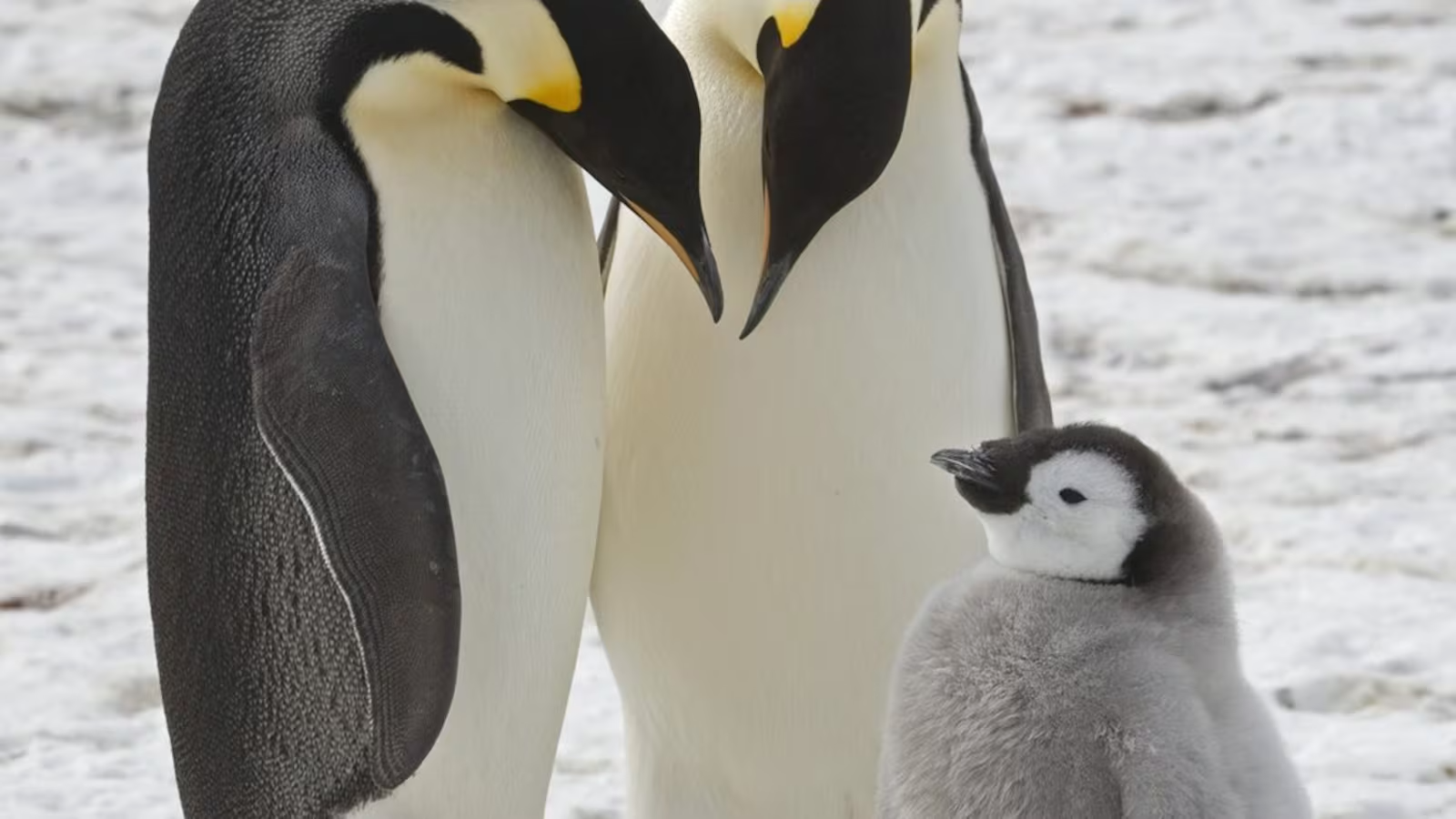
Among the most frequently asked issues this year was the status of emperor penguins, which the International Union for Conservation (IUCN) declared endangered last month.
Environmentalists were counting on the Hiroshima conference to declare this Antarctic animal a specially protected species, to impose restrictions on maritime transport and tourism, which are currently exerting strong pressure on penguins.
Their population has fallen, mainly due to climate change that causes the early melting of their ice.
While the meeting confirmed that the protection of emperor penguins was a priority, it did not go so far as to grant them the status of a specially protected species.
China, in particular, « firmly opposed » this designation, and « Russia sided with China, » said Hideki Uyama of the Japanese Ministry of Foreign Affairs at a press conference at the end of the meeting he was presidin.By Sabrina Rivet | Donald Trump’s trip to China ended on Friday. The American president and his Chinese counterpart, XI Jin Ping, tried to agree on major issues, but their discussions did not lead to major progress in major issues.
Although China admitted the need to prioritize the protection of emperor penguins, it argued that reclassification would be « premature » and that other solutions needed to be explored, said Uyama.
« It is very disappointing that we have not been able to reach a consensus, » he lamented, still describing the fact that all the participants agreed to continue the discussions as a « significant advance ».
For Rod Downie, Chief Advisor for the Poles and Oceans at the WWF Nature Conservation Organization, the decision-making process of the Antarctic Treaty « fails to keep up with the rapid pace of climate change ».
« It is deeply worrying that a very small minority of parties have blocked consensus on this crucial designation, » he said in a statement.
The meeting also focused on how to manage the growing number of tourists flocking to this fragile continent.
Nearly 120,000 people visited Antarctica in 2024-2025, and representatives of different countries reflected on possible restrictions on certain areas or activities, as well as the establishment of quotas.
The Coalition for Antarctica and the Southern Ocean (ASOC) — a global alliance of environmental organizations — welcomed “progress in negotiations for a framework for tourism regulation,” but, through the voice of its Senior Advisor Ricardo Roura, estimated the implementation of legally binding rules.
source : noovo info