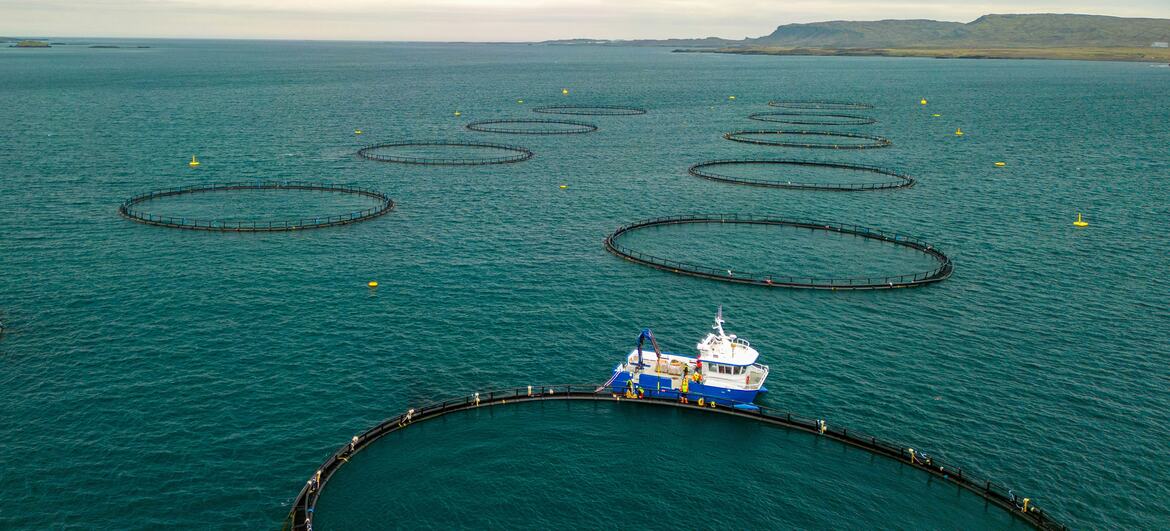
Global fisheries and aquaculture production reached a record high of 188.2 million tonnes in 2024, confirming the crucial role of seafood as a source of nutrition and income for billions of people, according to The State of World Fisheries and Aquaculture 2026 *=, a new report from the Food and Agriculture Organization of the United Nations ( FAO ).
For the first time, aquaculture now accounts for the majority of fish destined for human consumption, a historic shift with profound consequences for food security and environmental sustainability.
The study reveals that aquatic foods provide essential proteins, omega-3 fatty acids, vitamins and minerals that are difficult to obtain from other sources, particularly for vulnerable populations in low-income countries.
The rise of aquaculture
Per capita fish consumption reached 20.7 kilograms per year, the highest level ever recorded. In many coastal and island countries, fish provides more than half of the total animal protein intake.
The sector also generates economic opportunities: some 63.8 million people work directly in fisheries and aquaculture worldwide, with women representing a significant portion of the workforce, particularly in processing and trade. Considering the entire value chain, fisheries and aquaculture provide livelihoods for approximately 600 million people globally.
Aquaculture production reached 103.3 million tonnes in 2024, continuing decades of rapid expansion. The sector now produces more fish for human consumption than capture fisheries, a key milestone the report describes as a « turning point » for global food systems.
Asia dominates production, but aquaculture is expanding in Africa and Latin America, offering new opportunities for rural development and poverty reduction. The report highlights the potential of small-scale aquaculture to improve nutrition and incomes in underserved communities.
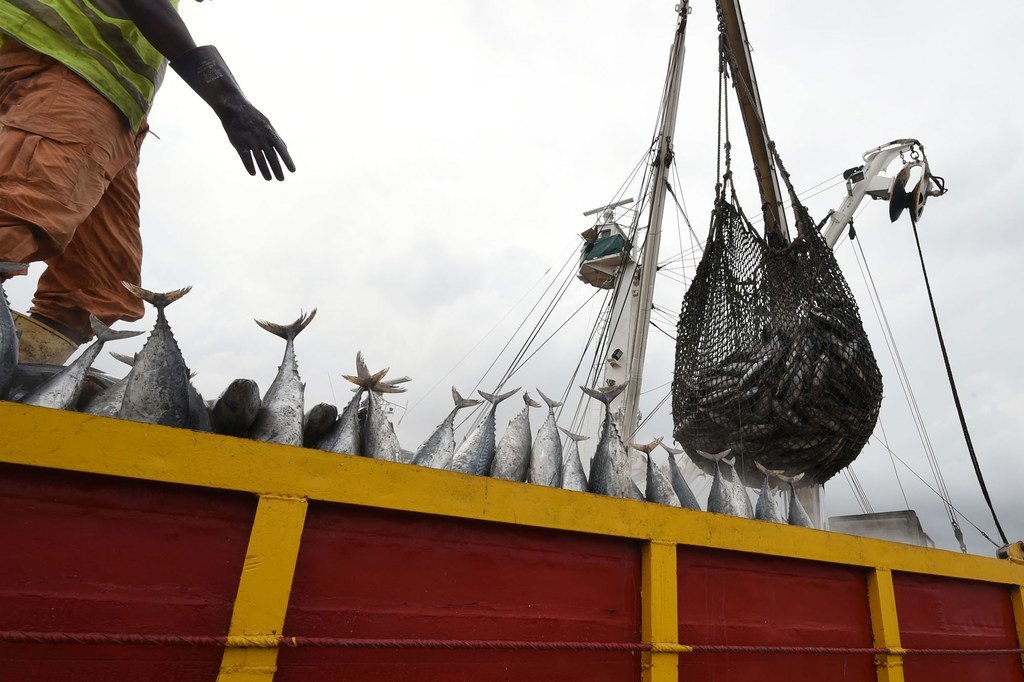
FAO/Sia KambouUnloading tuna in the main port of Abidjan, Ivory Coast.
An ocean under pressure
However, this growth comes with increasing risks: intensive aquaculture can put pressure on local ecosystems, promote the spread of disease, and generate pollution if poorly managed. According to the FAO, governments must strengthen governance and promote sustainable practices to ensure that the sector’s expansion does not come at the expense of the environment.
Ocean warming, acidification, and shifting species ranges are already disrupting fisheries worldwide, threatening the communities that depend on them. The report calls for urgent investments in climate change adaptation and ecosystem-based management to conserve marine resources.
« Transformative change is needed, » the assessment concludes, calling on governments to end harmful subsidies, combat illegal fishing, and invest in science-based management.
source : UN news