
MOMBASA, KENYA (June 18, 2026) – Nine African governments announced new commitments to ocean protection this week at the 11th Our Ocean Conference (OOC11) in Mombasa, Kenya, marking concrete progress towards the global goal of effectively and equitably protecting 30% of the world’s ocean ecosystems by 2030. The announcements – covering newly enacted Marine Protected Areas (MPAs) in the National Journal, national conservation strategies, new planning frameworks and commitments to develop new MPAs – signal a shift from commitment to action across the continent.
“WCS works across Africa as a partner, organizer, and technical advisor for many countries that presented commitments this week at Our Ocean. What we presented is the culmination of years of work by governments and communities to turn ambition into action. This is a celebration of those efforts and an opportunity to build momentum and learn from the many positive examples across the continent,” said Dr. Jean Mensa, Marine Program Director at WCS Tanzania. “Each of these announcements reflects a different step in the conservation process, and together they demonstrate what sustained, collaborative effort can achieve.”
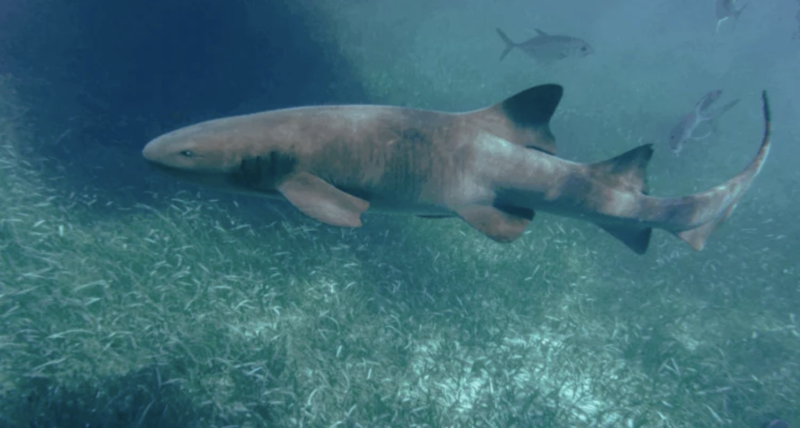
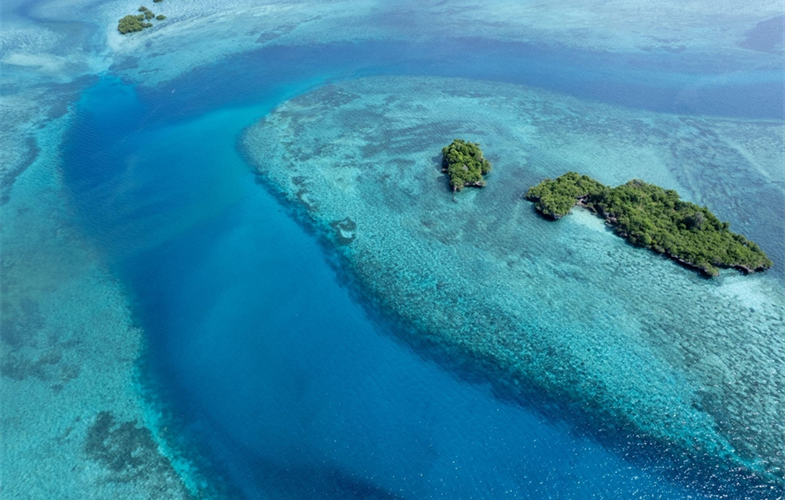
Tanzania has formalized two important milestones. The Northeast and Southeast marine conservation areas off Pemba, Zanzibar – committed at last year’s United Nations Ocean Conference – have now been officially classified in the Official Gazette, together covering 1,300 km² of mixed-use areas, including climate-resilient coral reefs and an important area for sharks and rays.
Tanzania has also committed to initiating the process of designating the Kilwa Marine Protected Area (MPA), a proposed zone of 1,000 to 2,500 km² that would protect 180 km² of climate-resilient coral reefs, an Important Bird Area (IBA) for sharks and rays, and an Important Bird Area (IBA) for marine mammals. The management would have positive impacts on up to 150,000 people in 30 communities, including those surrounding Kilwa Kisiwani, a UNESCO World Heritage Site.
Mozambique has presented its plans for a National Marine Conservation Strategy, an ambitious, long-term, zone-based framework for ocean protection. The country reaffirmed its plan to advance the strategy, complete its final review, and progress toward implementation.
Madagascar has committed to converting five Marine Protected Areas (MPAs) – Sorkay, Tandavandriva Nosy Be, Ria i Androy (Atimo Vatae), Diego Bay, and the Emerald Sea – from temporary to permanent status, with publication expected by 2028. Together, these areas cover 13,890 km², protect climate-resilient coral reefs, two Important Marine Mammal Areas, two Important Shark and Ray Areas, and would benefit more than 230,000 people. The project is a joint effort of committed partners and stakeholders, led by the Ministry of Environment and Sustainable Development.
Kenya has committed to finalizing draft national regulations on marine conservation, restoration, and governance. These regulations will include provisions for recognizing and supporting other effective area-based conservation measures (OECMs) led by communities, among other mechanisms, providing a clear pathway to the 30×30 target through inclusive conservation efforts.
Gabon has announced the launch of a marine spatial planning process aimed at achieving 30% ocean protection by 2027, supported by a blue bond financing mechanism.
“African coastal communities depend on natural resources that are often in decline,” said Tanguy Nicolas, African marine wildlife technical specialist. “Governments need to balance conservation, economic growth, and climate change. The solution must put local communities at the center, enabling them to manage coastal ecosystems and benefit economically. WIO’s OECM policy summary offers a clear path to achieving this.”
Source: newsroom