
The IslandPlas project has made an important step in Cape Verde by allowing the collection of more than 65 tons of plastic waste. Implemented by the IUCN with the support of The Coca-Cola Foundation, the project brings together public institutions, the private sector and local communities to strengthen collection and recycling systems, while accelerating the transition to a circular economy.
An integrated approach to reduce plastic pollution
For an island state like Cape Verde, plastic pollution represents a major challenge for terrestrial and marine ecosystems, but also for economic activities that depend directly on the quality of the environment.
In order to respond to this challenge, the IslandPlas project is developing an integrated approach that acts on the entire value chain of plastic waste, from their collection to their recycling, while strengthening awareness of the populations and partnerships between the different actors.
Over the past six months, the project has collected more than 65 tons of plastic waste thanks to a strategy that mobilizes several complementary levers. These results come in particular from waste collected from companies in the plastics sector, public institutions practicing separate collection, the Zero Plastic Waste community campaign, as well as the PlastiNetwork collection point network.
Thanks to the agreements concluded between Caboplast, the project’s implementation partner, and several companies and public institutions, this waste is now recovered and directed to recycling channels rather than landfills.
Infrastructure that strengthens collection and recycling
The development of a circular economy also requires accessible and efficient infrastructure.
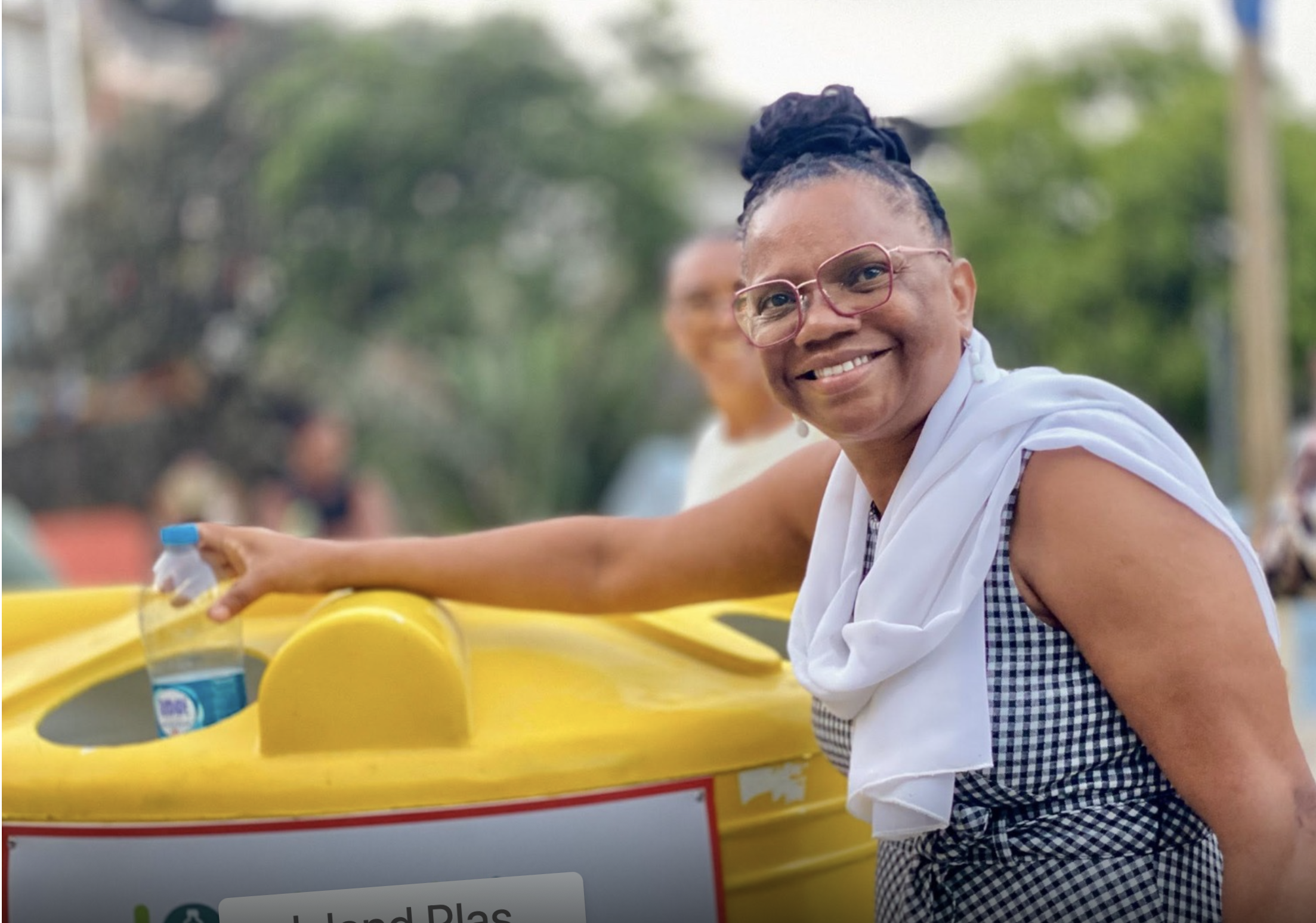
In this perspective, the project continues the deployment of the PlastiNetwork network, with the installation of new collection points in São Domingos and Tarrafal, while its extension is in preparation on the islands of São Vicente and Sal.
By bringing infrastructure closer to populations, the project facilitates sorting at the source, improves the recovery of plastic waste and promotes its recovery
A collective mobilization to sustainably change practices
Beyond infrastructure, IslandPlas supports behavioral changes through awareness and citizen mobilization actions.
The Zero Plastic Waste campaign mobilized more than 1,170 participants during cleaning and awareness-raising activities organized in several municipalities. This campaign alone collected 1.5 tons of plastic, contributing to the overall result achieved by the project.
The results obtained in recent months show that by bringing together public institutions, the private sector and communities, it is possible to put in place concrete solutions to reduce plastic pollution and accelerate the transition to a circular economy in Cape Verde. We will continue our efforts to consolidate these achievements and increase their impact, says Alima Koite, Regional Coordinator of the IslandPlas project.
A dynamic called to strengthen
The results recorded illustrate the progress made in the implementation of a more structured and sustainable plastic waste management system in Cape Verde.
By consolidating collection mechanisms, developing recycling channels and strengthening partnerships between the public and private sectors and communities, IslandPlas helps reduce plastic pollution that threatens terrestrial and marine ecosystems, while supporting the transition to a circular economy.
The project is now continuing to implement with the objective of collecting 495 tons of plastic waste, including 198 tons intended for recycling, in order to increase its impact and sustainably strengthen the management of plastic waste in the archipelago.
About the project
IslandPlas is a project implemented by IUCN with the support of The Coca-Cola Foundation. It supports Cape Verde in the development of solutions to prevent plastic pollution, strengthen collection and recycling systems, and promote a circular economy for the benefit of populations and the environment.
source : iucn