More than sixty years after the first signs of its existence, a coral reef has been rediscovered in excellent condition off the coast of Benin, offering new perspectives for scientific research and the protection of biodiversity.
Located about 22 kilometers from the coast, on the continental shelf shared between Benin and Togo, the reef was located as part of the Coreb project (Coral Reefs Rediscovering & Exploration in Benin).
Using high-tech equipment, including sonar and a high-definition underwater camera, researchers were able to map the site and highlight a remarkably rich marine ecosystem.
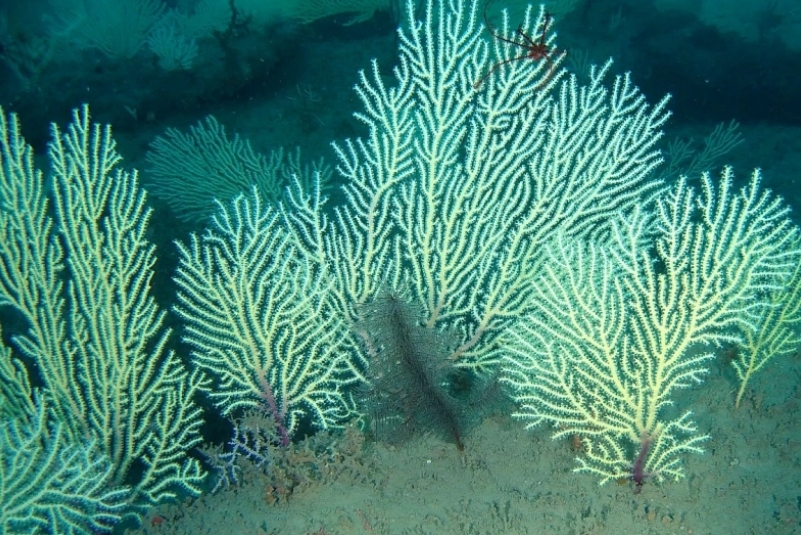
Observations revealed the presence of soft corals, black corals, and a significant diversity of fish species, confirming the good state of conservation of this underwater habitat and its ecological importance.
The mission, led by Beninese researcher Gérard Zinzindohoué with support from National Geographic, confirmed that it is a mesophotic coral reef, a type of deep-sea ecosystem that remains largely unexplored worldwide. These reefs are considered major reservoirs of biodiversity and could serve as refuges for numerous marine species facing the effects of climate change.
The first indications of its existence date back to the 1960s, when fragments of coral were accidentally brought up in fishing nets. In the absence of thorough scientific campaigns, the site gradually fell into oblivion.
This rediscovery highlights the still largely untapped potential of the seabed in the Gulf of Guinea. Scientists now wish to delve deeper into research to better understand the workings of this unique ecosystem and are advocating for the creation of a marine protected area to ensure the long-term preservation of this exceptional natural heritage.