
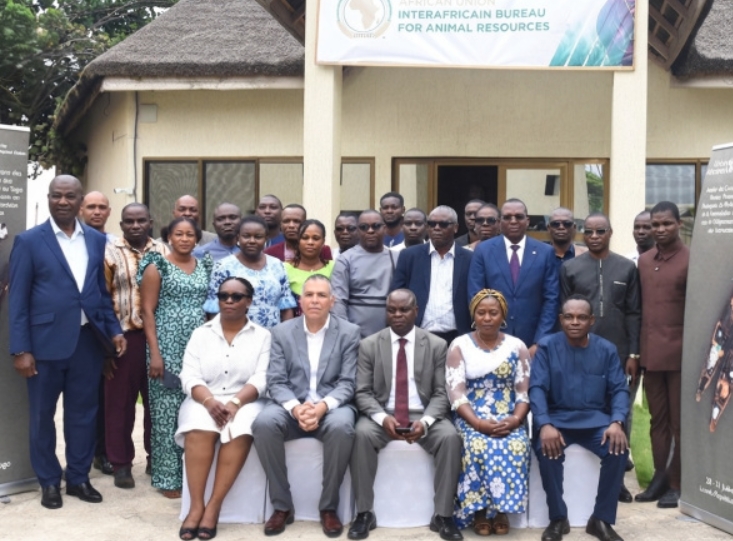
In Lomé, a four-day workshop, opened on Tuesday, July 28, 2026, is working on identifying the reforms necessary to strengthen the governance of the fisheries sector and accelerate its development.
The Togolese capital hosts a national workshop devoted to the alignment of the national fisheries and aquaculture strategy with the African Union’s Political Framework and Fisheries and Aquaculture Reform Strategy (CPSR). The meeting, organized as part of the second phase of the FishGov2 project, with the financial support of the European Union (EU), brings together administrations, professionals in the sector and technical partners, as reported by the ATOP.
Evaluate national policies
Specifically, the work aims to measure the consistency of Togolese policies with continental orientations, to identify inadequacies and to formulate recommendations to strengthen the performance, resilience and sustainability of the sector.
According to the African Union’s Inter-African Office of Animal Resources (AU-BIRA), this approach will also make it possible to inventory good practices that may be reproduced in other African countries.
For the Togolese authorities, the objective is to consolidate the governance of fisheries resources, improve the living conditions of fishermen and strengthen the sector’s contribution to food security, job creation and economic growth.
A modernization strategy already underway
This consultation comes at a time when Togo is pursuing several reforms in the artisanal fishing sector.
In June 2026, the government presented its strategy to modernize the sector, articulated around biological rest, strengthening the capacity of the coast guard, the modernization of boats and a subsidy mechanism to improve the productivity of fishermen.
These measures are part of the Aquaculture Development Program in Togo (PRODAT), which aims to increase aquaculture production to 30,000 tons by 2030 and to reduce the country’s dependence on imports of fishery products.
Recall that the fisheries sector now contributes nearly 4.5% of agricultural GDP and represents an essential source of income for several tens of thousands of households, according to government data.