
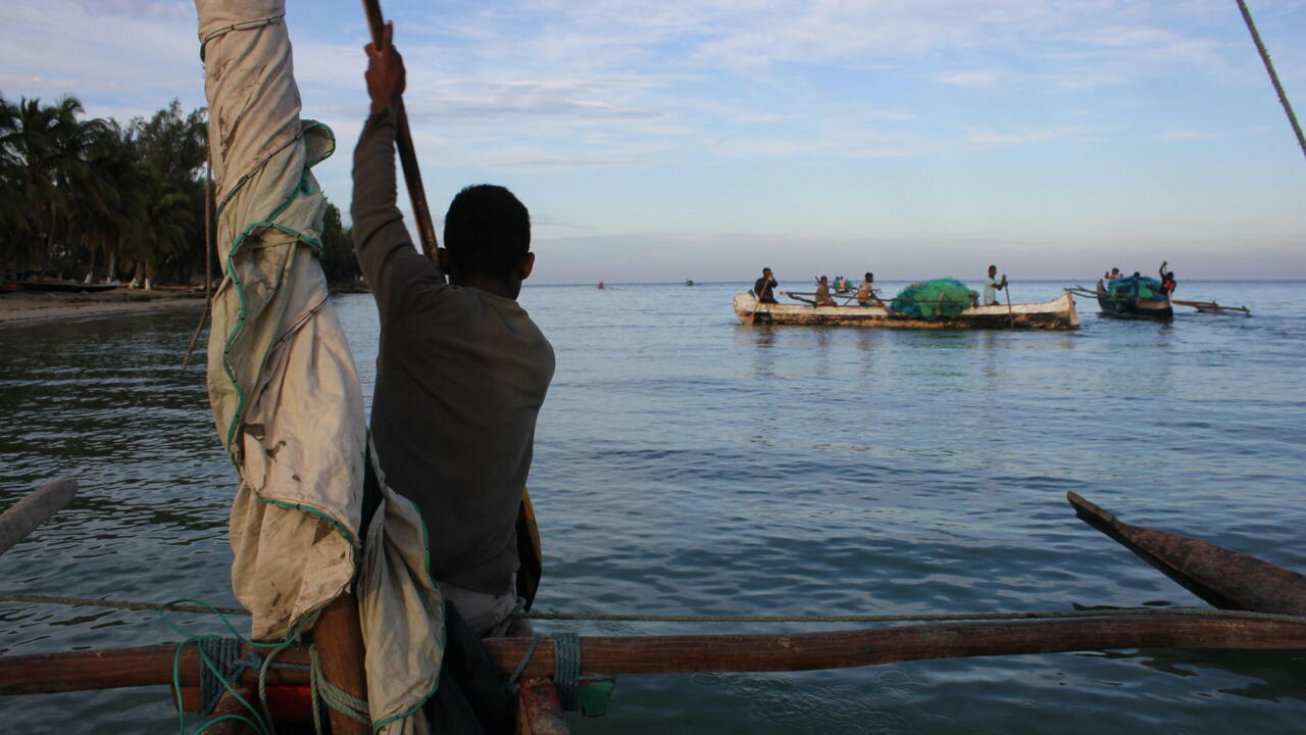
In Madagascar, several Malagasy and European civil society organizations are calling for a revision of the financial and economic conditions of the fisheries agreement with the European Union. At the opening of negotiations on November 10, 2026, they are calling for a better exploitation of national fisheries resources, more local jobs and more transparent management of financing.
Discussions on the renewal of the fishing partnership between Madagascar and the European Union will be held from 10 to 12 November. In a joint statement made public on Monday, the signatory organizations consider the economic benefits of the exploitation of Malagasy marine resources, particularly for the benefit of coastal populations, to be insufficient.
An agreement with disputed economic benefits
The protocol in force for the period 2023-2027 allows 65 European tuna shops to operate in Malagasy waters. Brussels pays EUR 700 000 annually for access rights and EUR 1.1 million for the development of the fisheries sector. The shipowners also pay a fee of 85 euros per ton caught. The device is based on a reference tonnage of 14,000 tons, valued at 50 euros per tonne for access rights. While weiling their association with discussions and monitoring of funding, the organizations consider that the benefits granted to Madagascar remain modest. Their seven recommendations relate in particular to the revaluation of financial compensation, the increase in tuna landings in national ports and the creation of industrial processing activities on site.
Unfinished projects and transparency requirements
The evaluation of the current protocol shows several shortcomings in the implementation of commitments. Aquaculture equipment is still waiting to be distributed, while the use of two refrigeration facilities has not been confirmed. The construction of a fishing school is also among the unfinished projects. In the environmental aspect, some actions have execution rates of 58% and 63%. The signatories are calling for a greater allocation of financial resources to the preservation of marine environments, support for artisanal fishing and climate adaptation measures. Finally, they want to obtain more precise information on the vessels benefiting from authorizations, the volumes actually caught and the use of funds paid in the partnership.