
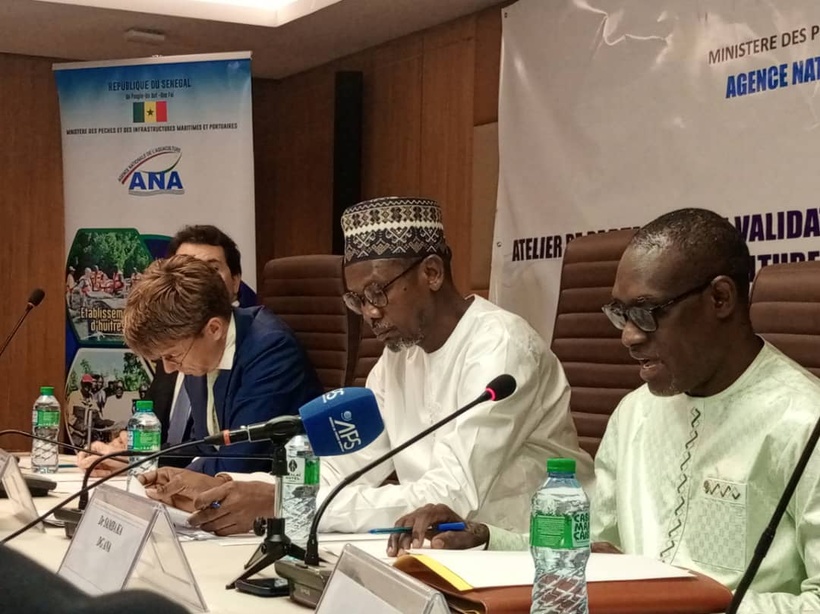
Senegal aims to increase its aquaculture production to 20,000 tons by 2030 in order to respond to the decline in fish resources and strengthen its food sovereignty. This objective is included in the new Strategic Aquaculture Development Plan (PSD-Aquaculture) 2026-2030, presented and submitted for validation during a workshop held this Tuesday in Dakar, in the presence of the Senegalese authorities and technical and financial partners.
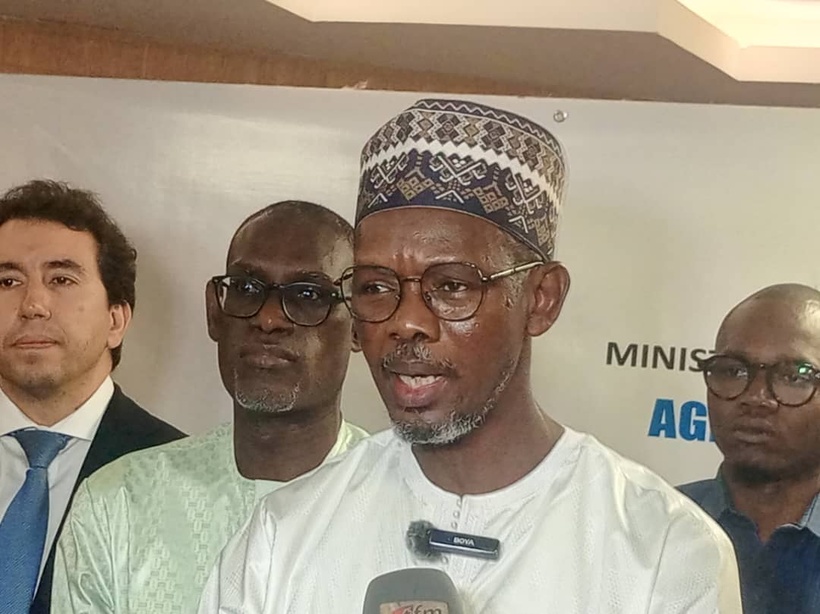
Chiring over the ceremony on behalf of the Minister of Fisheries and the Maritime Economy, the Secretary General of the Ministry, Mamadou Abibou Diagne, said that aquaculture is now « the only viable alternative » to the stagnation of fishing catches and the continuous increase in demand for animal proteins.
« This plan aims at a production of 20,000 tonnes by 2030, while focusing on job creation for young people and women, as well as the attractiveness of the sector for private investment, » he said, calling on participants to enrich the strategy so that it becomes « a true operational tool capable of transforming the face of Senegalese aquaculture ».
Partner of the process, Enabel welcomed a plan developed in an « inclusive and participatory » way. Its representative, Abou El Mahassine Assi Fihri, stressed that aquaculture represents « a concrete and sustainable response to the challenges of food and nutritional security ».
The same tone on the side of Robins Thers, head of Cooperation at the Belgian Embassy, who considered that aquaculture is « a strategic response » to population growth, the scarcity of fisheries resources and climate change.
According to FAO data cited during the workshop, global aquaculture production reached 94.4 million tons in 2022, surpassing catch fishing for the first time. In Senegal, the consumption of fishery products fell to 18 kg per capita in 2022, compared to 29 kg in 2014.
To meet the needs of a population growing annually by 2.8%, Senegal will have to produce about 129,000 tons of fishery products by 2030. The authorities thus consider aquaculture as an essential lever to fill the deficit and reduce dependence on imports.
The draft strategic plan, developed with the support of a consultant and the « Nataal Sine Saloum » project implemented by Enabel as part of the Belgian-Senegalese cooperation, will be finalized after integration of the observations from the workshop before its official adoption by the state authorities.
source : press afrik