
The signatory States of the Djibouti Code of Conduct and its Jeddah Amendment (DCoC/JA), accompanied by maritime officials and international partners, will meet from 11 to 13 November 2026 in Antananarivo, at the ninth high-level meeting. This meeting aims to strengthen regional cooperation in the face of maritime threats and to better protect trade routes in the western Indian Ocean and the Gulf of Aden.
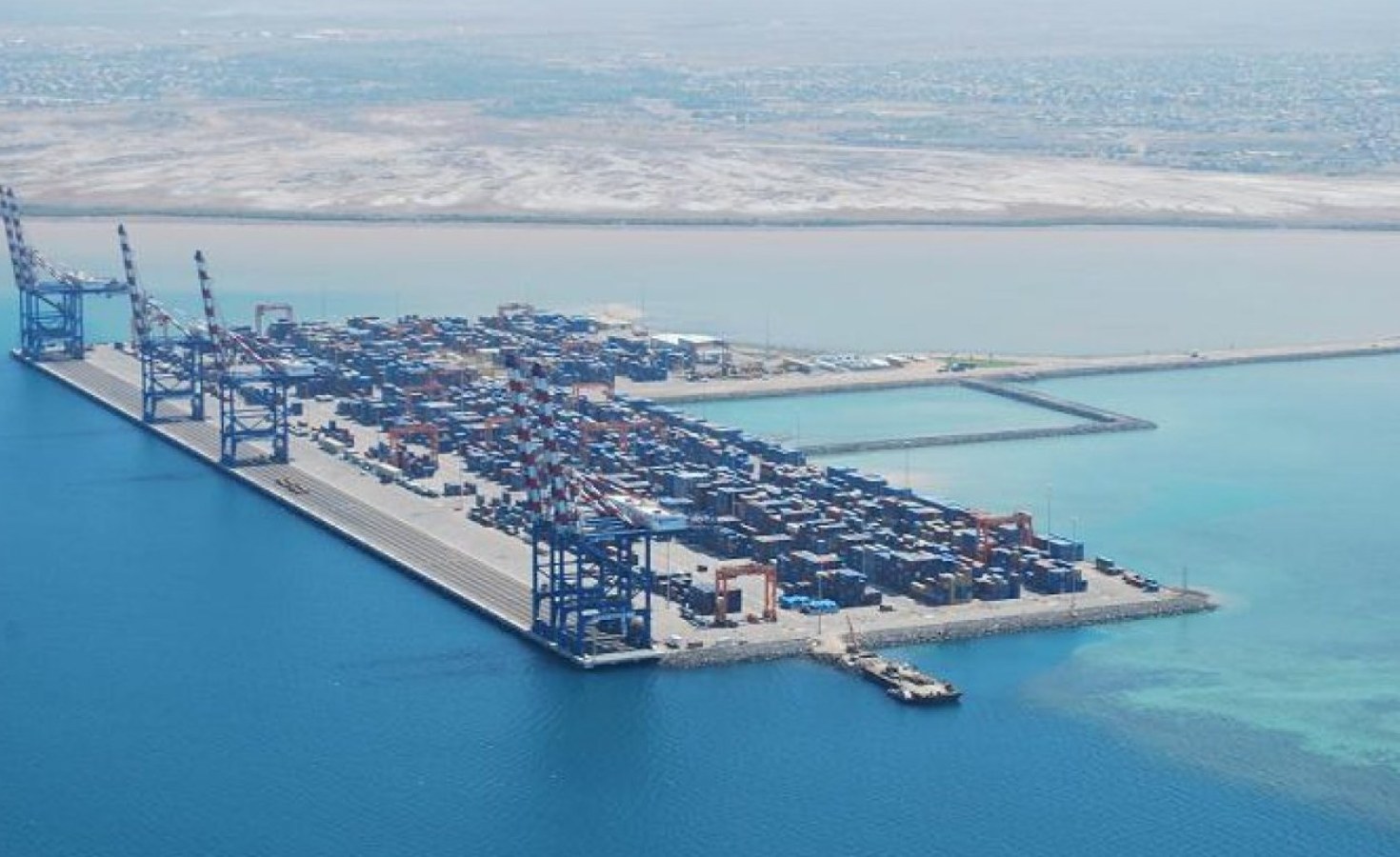
Safety at sea is a major economic issue for the countries of the region. Shipping routes provide much of the transport of goods and supply the markets with basic necessities, raw materials and equipment. Disruptions related to criminal acts at sea can thus lead to delays, additional costs for carriers and, indirectly, a rise in prices borne by consumers.
Discussions include three instruments to harmonise practices between States. This is a common lexicon of maritime safety, a regional strategy accompanied by an implementation plan and a risk register. These tools should facilitate communication between navies, coast guards, port administrations and judicial authorities. The goal is also to improve incident reporting and threat information sharing.
Coordination of interventions at sea is also among the priorities. Participants will examine the proposal to create a Joint Maritime Operations Force, as well as the implementation of joint procedures. A matrix also lists the material resources, resources and staff that the signatory States could mobilize in case of need.
The scheme also provides for collaboration between national maritime information sharing centres and regional structures. The Regional Centre for the Merger of Maritime Information, based in Madagascar, and the Regional Centre for the Coordination of Operations, based in the Seychelles, occupy an important role in this mechanism.