

The federal government seeks to increase access to international maritime investment, technical expertise and capacity-building opportunities to strengthen Nigeria’s participation in the global maritime industry and unleash the economic potential of its blue economy.
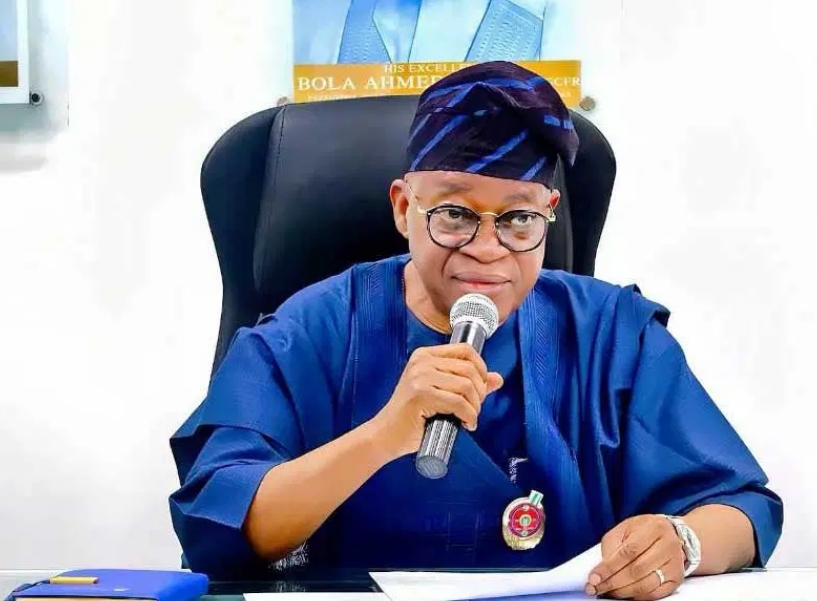
The Minister of Marine and Blue Economy, Adegboyega Oyetola, launched this appeal by leading the Nigerian delegation at the 138th session of the Council of the International Maritime Organization (IMO) in London.
Oyetola, in a statement from its special adviser, Bolaji Akinola, said that developing maritime countries must have access to technical expertise, institutional support and investment opportunities to compete effectively in the rapidly evolving global maritime industry.
« Nigeria is committed to building a competitive and sustainable blue economy. We believe that developing maritime nations must have access to the technical expertise, institutional support and investment opportunities necessary to participate significantly in the evolution of the global maritime industry, » he said.
The Minister’s speech comes as the IMO Council examines financial allocations for the 2026–2027 Biennial and strategic priorities for 2028–2029, offering Nigeria the opportunity to promote increased technical cooperation and capacity-building support.
He said this support was essential to strengthen maritime institutions, improve regulatory capacity and create an environment conducive to investment in shipping and wider maritime sectors.
Another major issue before the Council is the protection of vital international shipping routes, particularly in the face of growing threats to the safety of commercial vessels in high-risk maritime areas.
Under item 11 on the agenda, Member States deliberate on measures to protect critical sea routes, an issue that has an impact on international trade, maritime costs and the movement of commercial ships.
Nigeria should use its experience in the fight against piracy and maritime crime in the Gulf of Guinea to promote enhanced international cooperation and coordinated security responses.
Oyetola said Nigeria’s experience had shown that sustained collaboration between coastal states, international organizations and maritime stakeholders was essential to combat maritime insecurity.
« Our experience in the Gulf of Guinea has shown that maritime insecurity can be filled with political commitment, effective coordination and cooperation between regional and international partners, » he said.
The minister also stressed the need to protect seafarers, calling them indispensable to global trade and international shipping.
He said their safety, dignity and well-being must be guaranteed, regardless of the geopolitical tensions affecting the waters in which they operate.
“Sailors are the vital engine of international shipping. Their safety, dignity and well-being must never be compromised by geopolitical tensions. Nigeria supports stricter international measures to protect sea workers and ensure respect for their rights, » said Oyetola.
The five-day meeting, which began on November 2 and ends on November 6, 2026, offers Nigeria the opportunity to contribute to international maritime policy discussions, attract development partnerships and advance the interests of developing maritime economies.


