
Nigeria is the largest consumer of fish in Africa by volume and one of the main producers on the continent. If fishing and aquaculture provide about 40% of animal protein, the country is not yet self-sufficient.
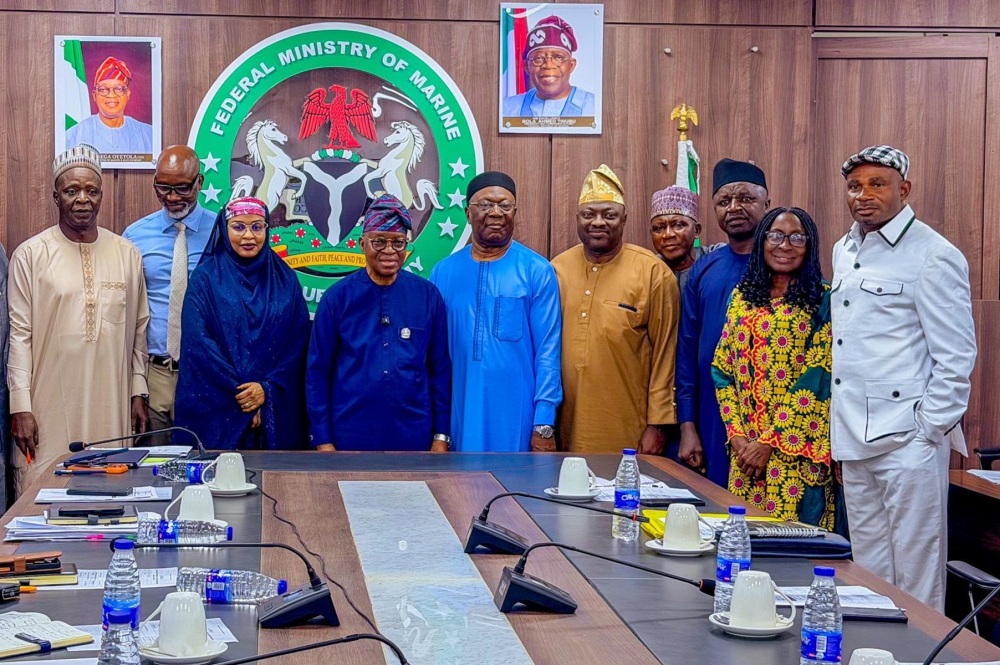
In Nigeria, the federal government installed, at the end of August in Abuja, a technical committee to propose within eight weeks a roadmap to increase local production, strengthen aquaculture and improve the processing and distribution of fishery products.
This entity, made up of 17 members, will have to transform the recommendations from a strategic round table held in October 2025 into concrete actions, in order to reduce the country’s dependence on imported fish.« Nigeria can no longer depend so much on imported fish when we have the resources and human skills necessary to develop domestic production and strengthen food security, » said Adegboyega Oyetola, Minister of Maritime Affairs and the Blue Economy.
A significant deficit
With this initiative, the government wants in particular to identify the blockages that maintain the fishing deficit. In Africa’s most populous country, fish occupies an important place in the diet and provides about 40% of the national intake of animal protein.
The average annual consumption is estimated at 8 kg per capita, a level below the world average, close to 21 kg according to the FAO. If in the West African giant, fish production has increased from 1.1 million tons in 2024 to 1.4 million tons in 2025 according to official data, this stock is still insufficient to respond to market growth.
Indeed, this offer covers only about a third of the annual needs, estimated between 3.2 and 3.6 million tons, with a domestic supply deficit filled by imports that cost Nigeria more than $1 billion (€864 million) per year.
This dependence is particularly visible on the frozen fish segment, dominated by mackerel, herring and other pelagic species imported from Northern Europe, Russia, China and other Asian countries.
Opportunities to seize
Beyond the weight of imports on foreign exchange reserves, the increase in needs opens up prospects for private investors wishing to improve the availability and accessibility of fish on the domestic market. In this context, the development of catfish and tilapia breeding is a strategic lever to reduce the supply deficit while supporting employment.
Demand is expected to continue to grow, driven by population growth, urbanization and the gradual increase in incomes, especially in large urban centres such as Lagos, Abuja, Port Harcourt and Kano.
Nigeria already relies on a significant aquaculture base. The country is the world’s leading producer of African catfish and the sector would bring together nearly 285,000 producers according to the FAO, of which more than 60% are small farmers, and would represent about one million direct and indirect jobs, from the production of fives to the marketing of fresh or smoked fish.
The National Fisheries and Aquaculture Policy 2025-2029 is the reference framework for accelerating the development of the sector. In particular, it sets the objective of bringing aquaculture production to 1.3 million tonnes by 2029, while halving post-harvest losses.
While this roadmap is a positive step forward, observers point out that public interventions to improve the framework for investments in local fish and feed production, strengthen the cold chain and funding will be decisive.
source : La Tribune