
(Ecofin Agency) – In Ghana, the fishing sector contributes 4% to GDP and provides sources of income to almost 10% of the population. As in most coastal countries, illegal fishing is one of the main challenges for the sustainability of fisheries resources.
In Ghana, the Ministry of Fisheries and Aquaculture launched on May 18 a new three-year project aimed at better management of fisheries resources. According to a statement published on the ministry’s website, this initiative will accelerate the country’s compliance with the WTO agreement on subsidies to fisheries.
This international commitment, which came into force since September 2025, aims to limit public subsidies deemed harmful that contribute each year to the depletion of marine resources. Specifically, it prohibits public support that promotes illegal fishing, the capture of overexploited stocks and fishing activities in unregulatory deep-sea areas. The goal is to protect global stocks and preserve the livelihoods of hundreds of millions of people dependent on fishing.
A system focused on transparency and sustainability
In this context, the three-year project launched by the government is funded by the WTO Fisheries Fund and is implemented in partnership with Global Fisheries and Resilience Action (GFRA), a non-governmental organization based in Accra, Ghana, which works for the sustainability of fisheries and the resilience of coastal communities.
The planned interventions are based on five strategic axes, which involve the control of subsidy flows, the assessment of the state of fish stocks, the protection of the livelihoods of coastal communities, the promotion of equity in the value chain and the strengthening of the governance of the sector.
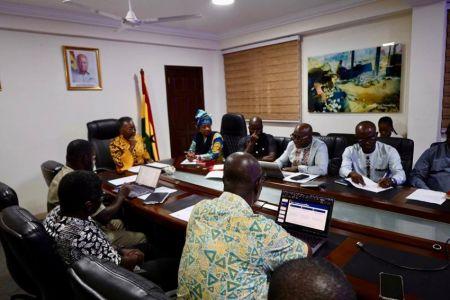
According to the authorities, a steering committee composed of 11 members has been set up to supervise the execution of the project. This committee will hold monthly coordination meetings, facilitate regular stakeholder consultations and conduct rigorous quarterly assessments to ensure that Ghana remains on track in compliance with its commitments to the WTO.
« This project is essential not only to meet Ghana’s international commitments, but also to ensure the long-term sustainability of the country’s fisheries sector and coastal economy […] Effective compliance is not only about meeting international obligations. It is also a matter of ensuring that our fisheries remain productive, fair and sustainable for future generations, « said Emelia Arthur, Minister of Fisheries.
In Ghana, where fish production amounts to more than 400,000 tons per year, the authorities deplore each year an estimated loss of earnings of more than $23.7 million due to the increase in illegal fishing practices. Recall that more than 60% of the public subsidies allocated by States to the fisheries sector around the world contribute to the depletion of maritime resources, according to the WTO.
source : eco fin